
Some Ingredients Never Really Leave Us
Every year seems to bring a new superfood, a new skincare ingredient or a new wellness trend. Some disappear almost as quickly as they arrive. Others become wildly popular for a season before quietly fading into the background. But every so often, an ingredient does something much rarer. It remains.
Not for a decade or even a generation, but for centuries — sometimes thousands of years. Long after cultures have changed, technologies have advanced and countless alternatives have appeared, it continues to earn a place in everyday life. That kind of longevity is difficult to ignore.
And it raises an interesting question: What allows certain ingredients to stand the test of time while so many others are eventually forgotten?
The more I’ve studied culinary nutrition and, more recently, botanical skincare, the more I’ve realized the answer isn’t novelty. The ingredients that endure tend to share something else entirely. They are versatile, dependable and trusted enough to be passed from one generation to the next. Each tell a story in its own way. Their histories may be different, but they continue to be welcomed into our kitchens, our homes and our daily lives.
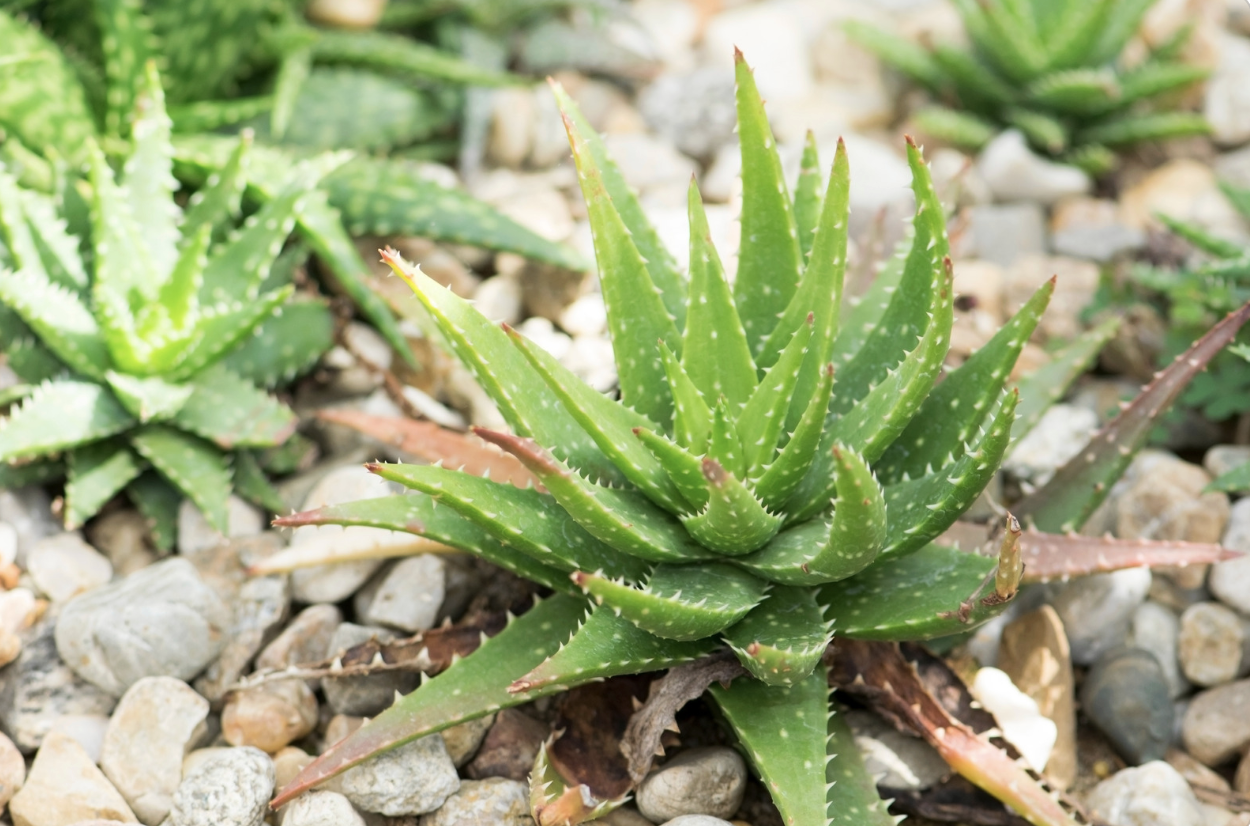
Why Some Ingredients Endure
Food trends come and go. And the same has now become true in skincare. Every year introduces a new “must-have” ingredient promising dramatic results. Some disappear almost as quickly as they arrive. Others remain because they’ve become a part of everyday life.
Certain ingredients have survived changing cultures, technologies and tastes because they offer something remarkably simple. They’re dependable. That doesn’t mean they’re the only good ingredients available today. It just means they’ve had centuries to prove their value. And when something continues to appear generation after generation, it’s worth asking why.
Five ingredients illustrate this idea particularly well: olive oil, honey, oats, rosemary and clay.
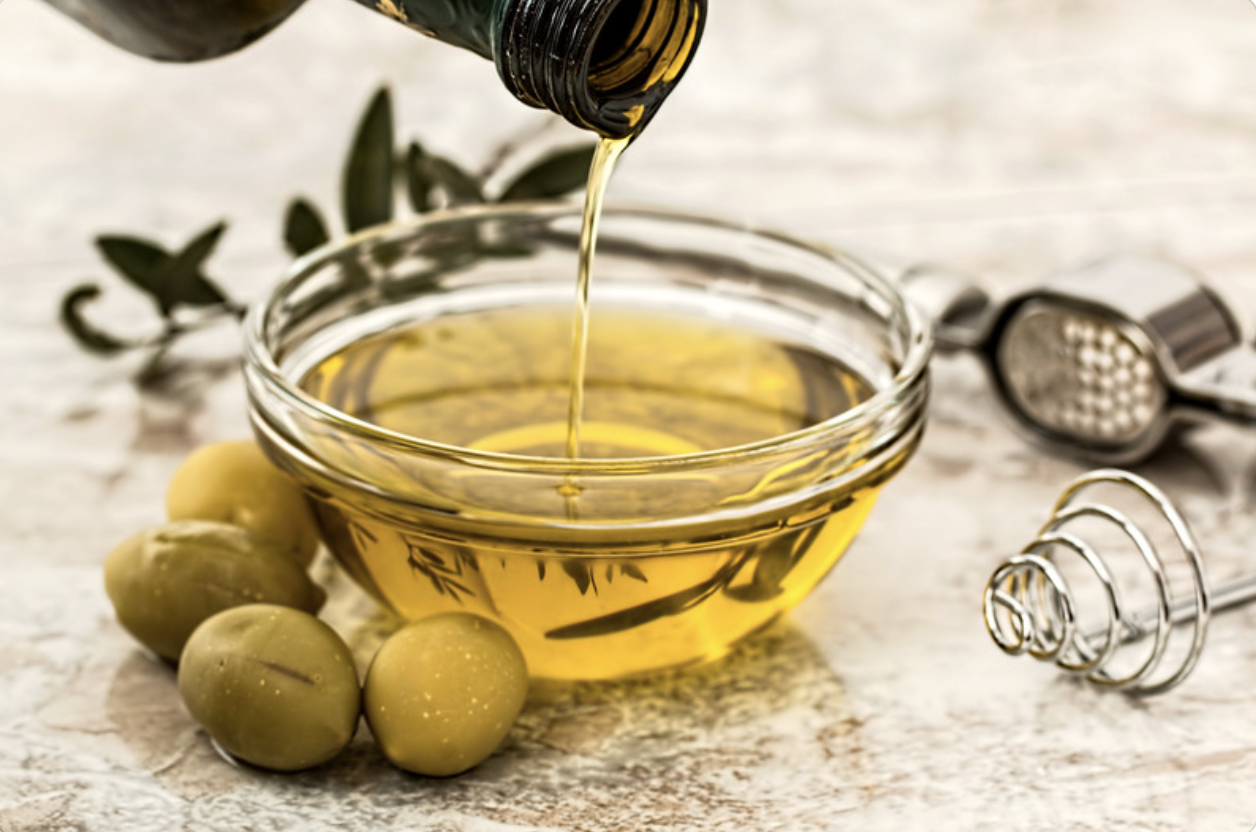
Olive Oil: Simplicity That Has Never Gone Out of Style
Few ingredients have influenced everyday life as profoundly as olive oil. Its story begins thousands of years ago throughout the Mediterranean, where olive trees became symbols of abundance, longevity and peace. The oil pressed from their fruit quickly became one of the most valuable products a household could own. It was used for cooking, preserving food, lighting lamps, religious ceremonies and personal care. Very few ingredients have ever served so many purposes.
In the kitchen, olive oil transforms food without overwhelming it. It softens bitterness in greens, carries the aroma of herbs, enriches vegetables and creates beautiful sauces. It doesn’t demand attention. Instead, it quietly allows other ingredients to become their best.
That same quality explains why olive oil has remained important in traditional soapmaking. Rather than producing an aggressive cleansing bar, olive oil contributes a gentle, creamy lather and a skin feel that many people describe as comfortable and balanced. Soapmakers have valued it for centuries not because it creates dramatic bubbles, but because it contributes to a bar people enjoy using every day.
I find that interesting because it’s remarkably similar to the role olive oil plays in cooking. It rarely becomes the star of the meal. Instead, it improves everything around it. Perhaps that’s why olive oil has never really disappeared. Long after countless food and skincare trends have come and gone, it continues to earn a place in both the kitchen and on the skin — through quiet reliability.
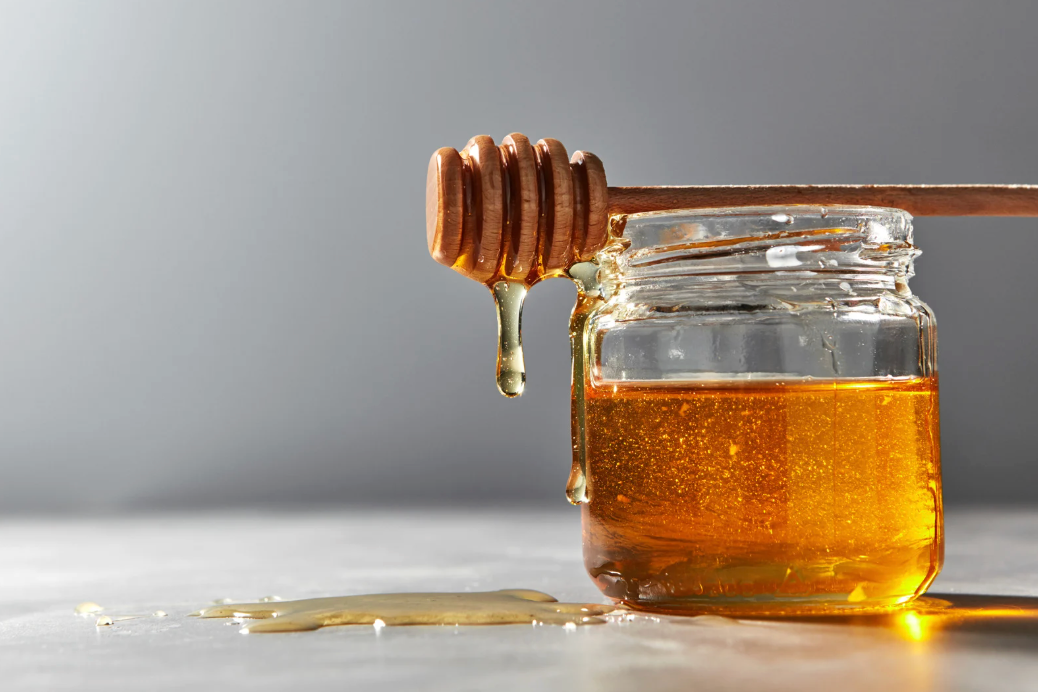
Honey: An Ingredient Shared Across Cultures
Honey may be one of the oldest ingredients that humans have intentionally gathered. Long before refined sugar became commonplace, honey sweetened food, preserved ingredients and held cultural significance across civilizations from ancient Egypt to Greece, Rome and beyond.
It’s appeal wasn’t simply sweetness. Honey stored well. It travelled well. It required very little processing. Those qualities made it valuable long before modern food systems existed. In fact, archaeologists have discovered sealed jars of honey in Egyptian tombs that remained preserved after thousands of years. Its naturally low moisture content and acidic environment make it one of the few foods that can last almost indefinitely when properly stored.
Over time, honey also became part of traditional skincare preparations. Historical records from numerous cultures describe its use alongside oils, herbs and clays in simple preparations intended for everyday care. Whether those traditions developed independently or spread through trade, they reveal something interesting: people repeatedly reached for the same ingredient because it was readily available and consistently useful.
Even today, honey feels familiar. We stir it into tea. Drizzle it over yogurt. Bake with it. Add it to marinades. And it continues to appear in thoughtfully made soaps and skincare. Perhaps that’s because honey has always represented something people appreciate — simplicity, usefulness and an ability to fit naturally into everyday routines without demanding attention.
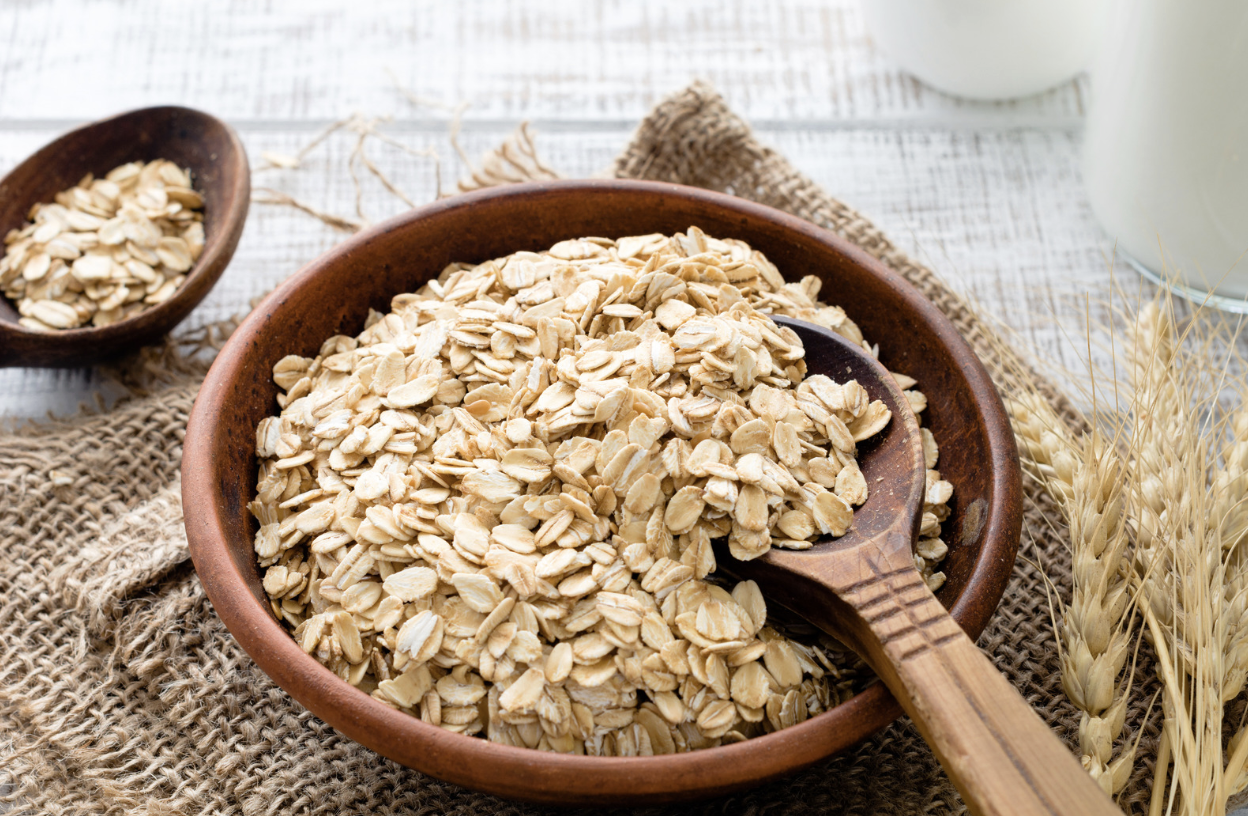
Oats: Comfort That Extends Beyond the Table
There aren’t many ingredients that feel as familiar as oats. For centuries, they’ve been valued as an everyday food — simple to grow and nourishing to eat. Oats thrive in cooler, wetter climates where wheat often struggles. That resilience helped make them a staple throughout Scotland, Ireland and Scandinavia, where generations relied on them for porridge, breads and oatcakes. Oats aren’t associated with celebration or extravagance. Instead, they represent something quieter: consistency.
Perhaps that’s one reason they’ve remained part of daily life for so long. Unlike ingredients that depend on novelty, oats have always been appreciated for what they are rather than what they promise. They’re uncomplicated, versatile and dependable.
Historically, their usefulness extended beyond the kitchen. Ground oats found their way into traditional bathing practices, where they became associated with gentle cleansing and everyday comfort. Long before modern skincare existed, people recognized that some ingredients could serve more than one purpose.
Today, oats continue to appear in both food and luxury soap bars for much the same reason they always have. They contribute something subtle rather than dramatic. They don't overwhelm the experience. They simply make it better.
There's a lesson in that. The ingredients that remain part of our lives aren't always the most exciting. More often, they're the ones we can depend on day after day.
Rosemary: More Than a Culinary Herb
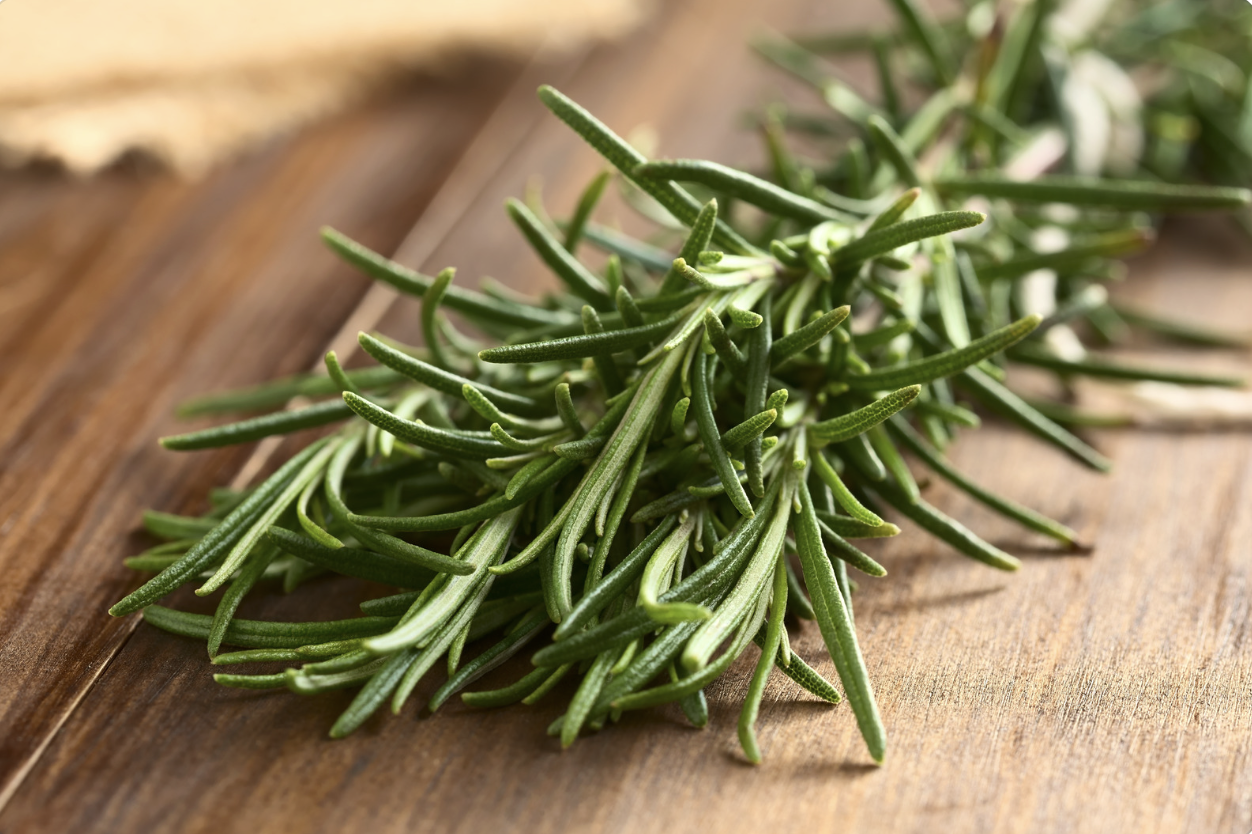
Rosemary has always been difficult to place in a single category. It's a culinary herb, certainly. Its resinous aroma transforms roasted vegetables, potatoes, bread and olive oil with only a few sprigs. But rosemary has also long been appreciated for reasons that have little to do with cooking.
Throughout history, rosemary has symbolized remembrance, hospitality and protection. It was woven into celebrations, carried in ceremonies and planted near homes. In ancient Greece and Rome, rosemary became associated with memory and learning. Students were said to wear sprigs of rosemary while studying, believing its fragrance sharpened the mind. Even today, many gardeners grow rosemary as much for its fragrance as for its flavor.
That combination of usefulness and sensory appeal helps explain why rosemary continues to appear in skincare. Its unmistakable aroma immediately changes the experience of using a product. Before you've even noticed the texture of a soap or the quality of its lather, you've already experienced its scent.
That connection between aroma and experience is something we've largely forgotten. For most of history, people didn't separate fragrance from everyday living. Herbs scented kitchens, gardens, homes and bathing water alike. They became part of daily routines simply by being present.
Perhaps that's why rosemary has endured. It engages more than one sense, and in doing so, it quietly changes the experience of an ordinary day.
Clay: One of the World’s Oldest Cleansing Ingredients
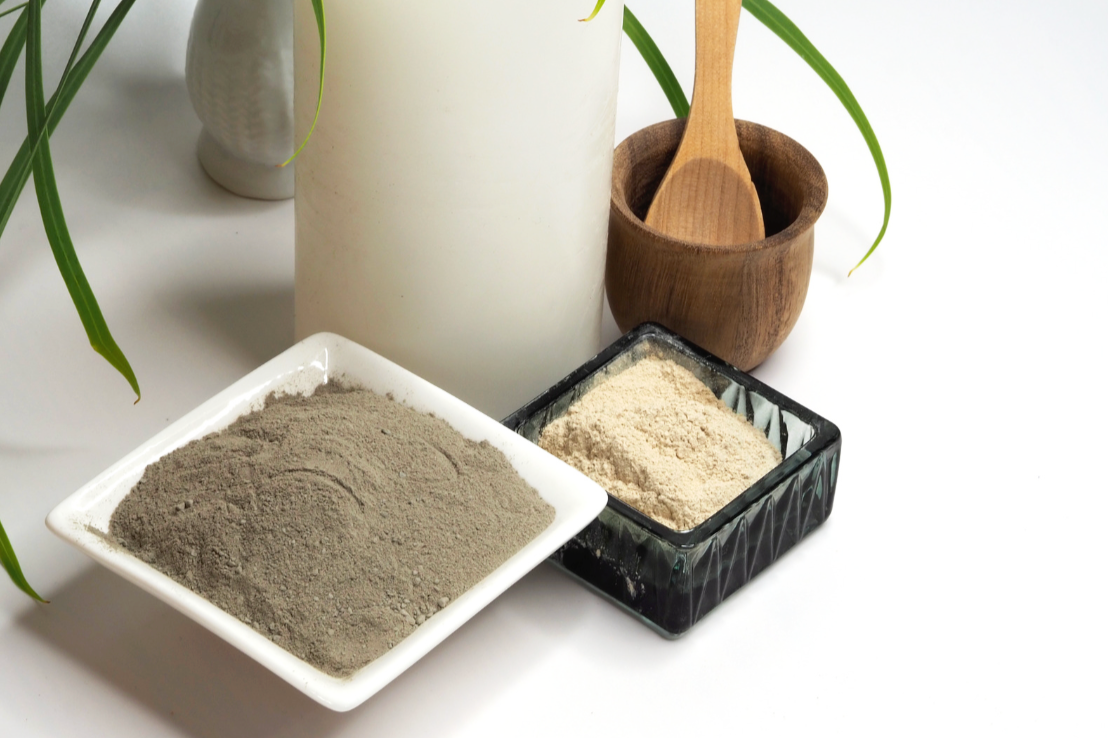
Unlike herbs and oils, clay isn't harvested from a garden. It's drawn from the earth itself. For thousands of years, cultures around the world have used naturally occurring clays for cleansing, pottery, preservation and personal care. Different regions prized different clays depending on their mineral composition. Kaolin, one of the gentlest clays, originated in China and became closely associated with fine porcelain before finding its way into skincare. French green clay, rich in decomposed plant material and mineral oxides, has been used for generations in traditional cleansing practices. But the underlying idea has always remained consistent: the earth itself offered useful materials for everyday life.
Today, French green clay, kaolin clay and other mineral clays continue to appear in traditionally made soaps and skincare. That continuity is remarkable. Long before commercial cleansers existed, people understood that effective cleansing didn't necessarily require complicated formulations. Sometimes the simplest materials proved the most enduring.
Clay also reminds us of something else. Not every valuable ingredient comes from a flower or herb. Some of the oldest ingredients we continue to use today are geological rather than botanical, yet they share the same characteristic as olive oil, oats and rosemary. They've stood the test of time.
What These Ingredients Have In Common
At first glance, olive oil, honey, oats, rosemary and clay don't appear to have much in common. One is pressed from fruit. One is gathered by bees. One is a grain. One is an herb. One comes from the earth itself.
Yet each has remained part of everyday life for generations. Not because someone marketed them well. Not because they promised extraordinary results. Because they proved themselves useful. They became trusted through repeated experience. And that may be the greatest endorsement any ingredient can receive.
As consumers, we're constantly introduced to new products and new formulations. Innovation has its place, and many modern ingredients deserve attention. But there's also something reassuring about ingredients that have already stood the test of time.
When an ingredient continues to appear in kitchens, gardens and skincare products century after century, it's worth paying attention. Not because it's old. Because it’s earned our trust.
Looking at Ingredients a Little Differently
The more I learn about botanical ingredients, the less interested I become in chasing whatever is new. Instead, I find myself asking different questions. Why has this ingredient remained part of everyday life? What qualities caused generation after generation to keep using it? How has it quietly shaped the way people cook, care for themselves and move through ordinary routines?
Those questions have changed the way I look at food. They've changed the way I think about skincare. And they've changed the ingredients I pay attention to.
Perhaps that's the real value of studying ingredients with long histories. They remind us that the best choices aren't always the newest ones. Sometimes they're the ones that have quietly earned their place over hundreds — even thousands — of years. And that's a story worth continuing.
Continued Reading
If this article sparked your curiosity, these essays continue the conversation — from botanical ingredients and aroma to the everyday rituals they quietly shape.