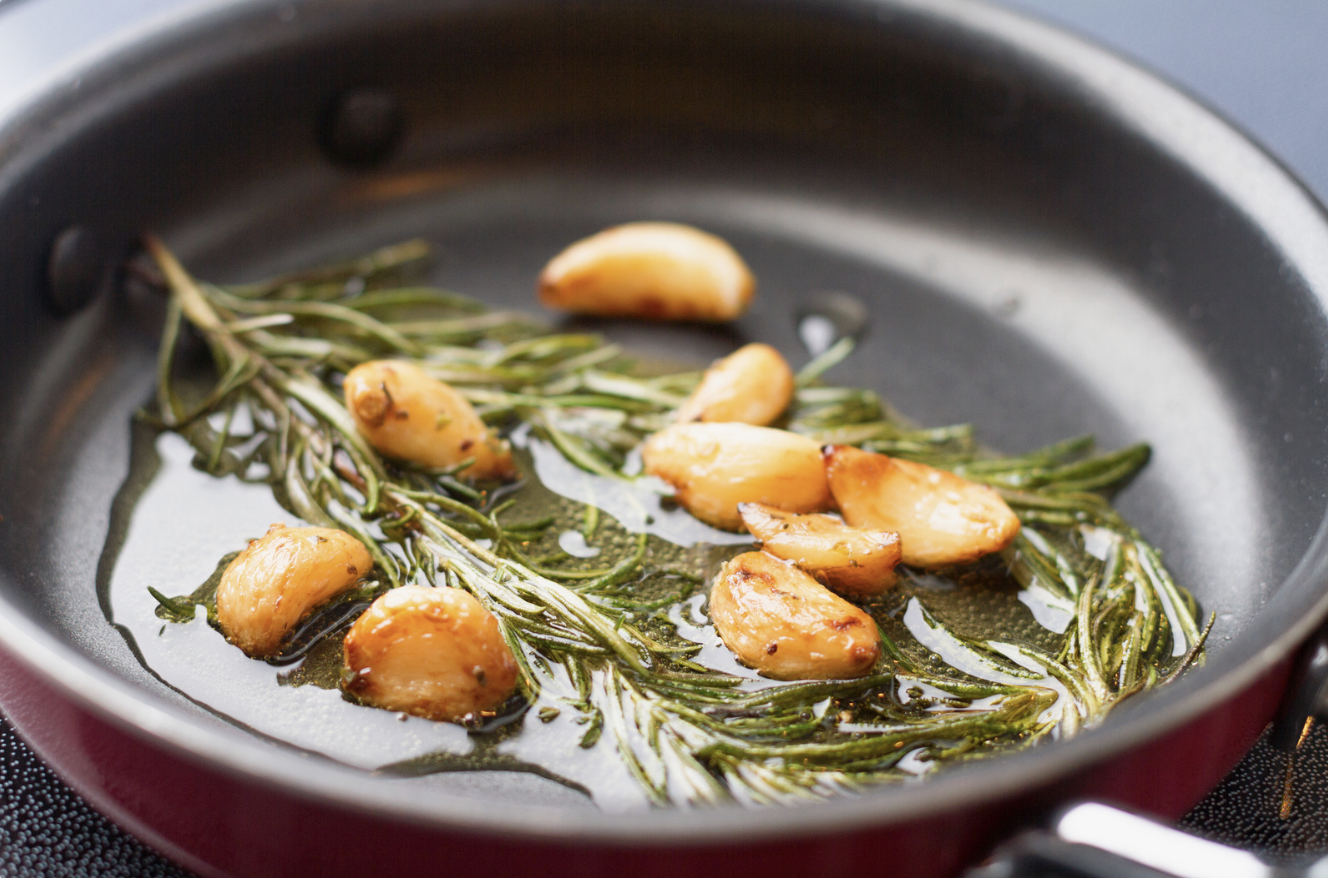
Walk into a kitchen where garlic is warming in olive oil, and the entire room changes. Slice into a lemon and the bright scent lifts immediately into the air. Crush a sprig of rosemary between your fingers and its aroma lingers long after you set it down.
Moments like these reveal something important about flavor: much of what we experience when we eat begins not on the tongue, but in the air around us.

Flavor Begins in the Air, Not on the Tongue
When we talk about flavor, most people immediately think about taste — sweet, salty, sour, bitter and umami. But much of what we experience as flavor actually begins somewhere else entirely.
It begins in the air.
The aromatic molecules released from food travel through the nose and interact with the olfactory system, which works alongside the taste buds to create what we perceive as flavor. This is why food tastes dull when you have a cold. The taste receptors may still be working, but without aroma, the experience feels flat.
In other words, flavor is not just something you taste. It’s something you breathe in.
Volatile Oils: Compounds that Create Aroma
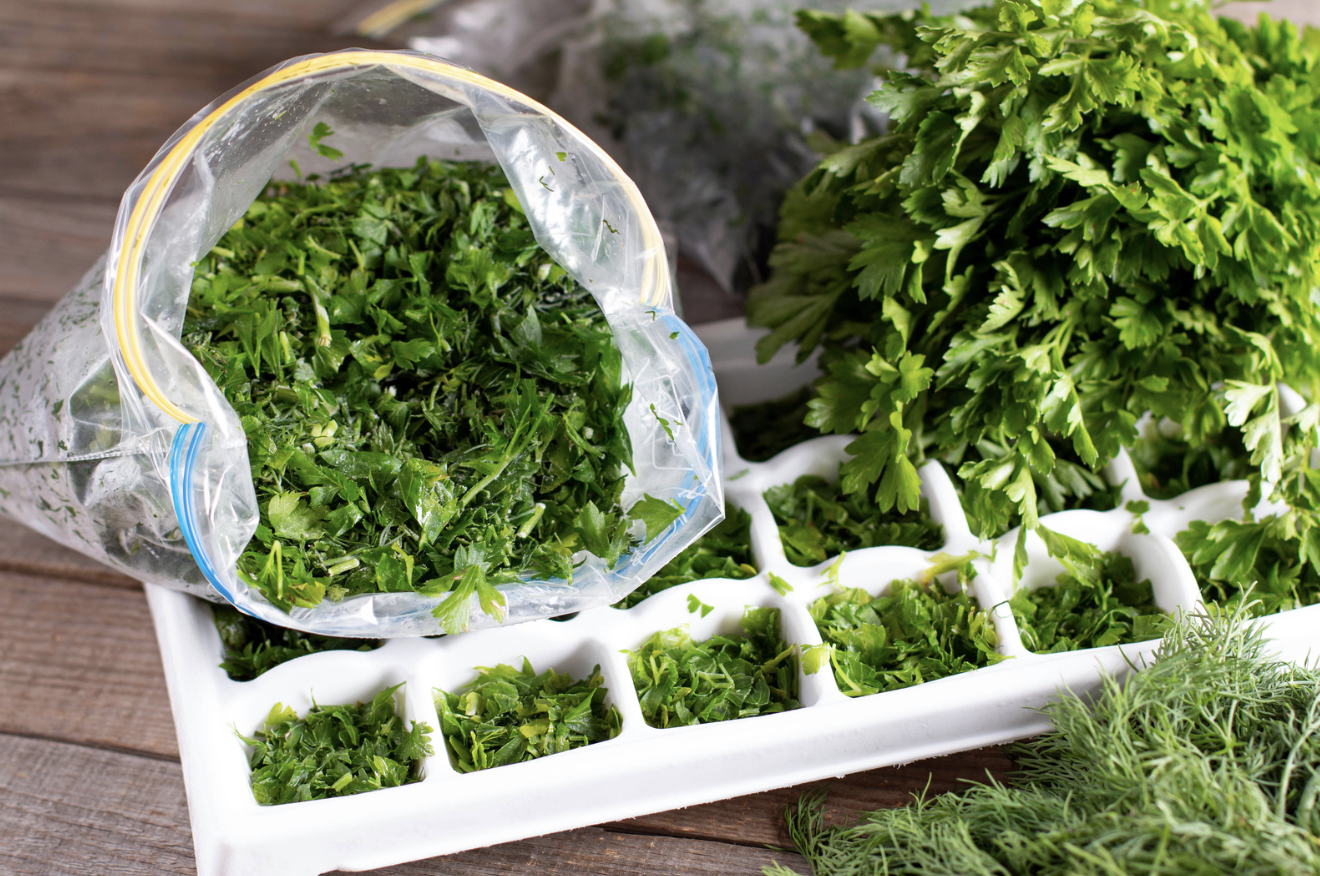
The compounds responsible for aroma are called volatile oils — tiny molecules that evaporate easily and travel through the air. Plants produce these oils for their own survival, but they also happen to be the compounds that make food taste incredible.
Herbs are packed with them. Basil carries sweet, green aromatic oils. Rosemary releases piney warmth. Thyme brings a quiet earthiness. Citrus hides its most powerful aromatics in the peel, which is why a quick swipe of lemon zest can transform an entire dish. And some edible flowers carry equally complex aromatic oils, which is part of what gives them their distinctive flavor and gentle spice.
When you chop herbs, grate citrus or warm spices in olive oil, those volatile oils lift into the air and begin shaping the flavor experience long before the food reaches your mouth. In fact, much of what we call flavor is really the work of these aromatic compounds.

Why Scent Reaches the Brain First
Here’s something fascinating: aroma influences the body before we even take a bite.
When scent molecules reach the olfactory receptors in the nose, signals travel directly to parts of the brain associated with memory, emotion and appetite. The body begins preparing for food almost immediately — saliva increases, digestive enzymes start to activate and attention shifts toward the meal.
Anyone who has walked into a kitchen where onion, carrots and celery (i.e., mirepoix) are on the stove knows exactly what this feels like. You haven’t tasted anything yet, but your body already knows dinner is coming.
The Powerful Link Between Aroma & Memory
The olfactory system is wired directly to the limbic system — the region of the brain responsible for memory and emotion. Because of this connection, scent has an unusual ability to trigger vivid recollections.
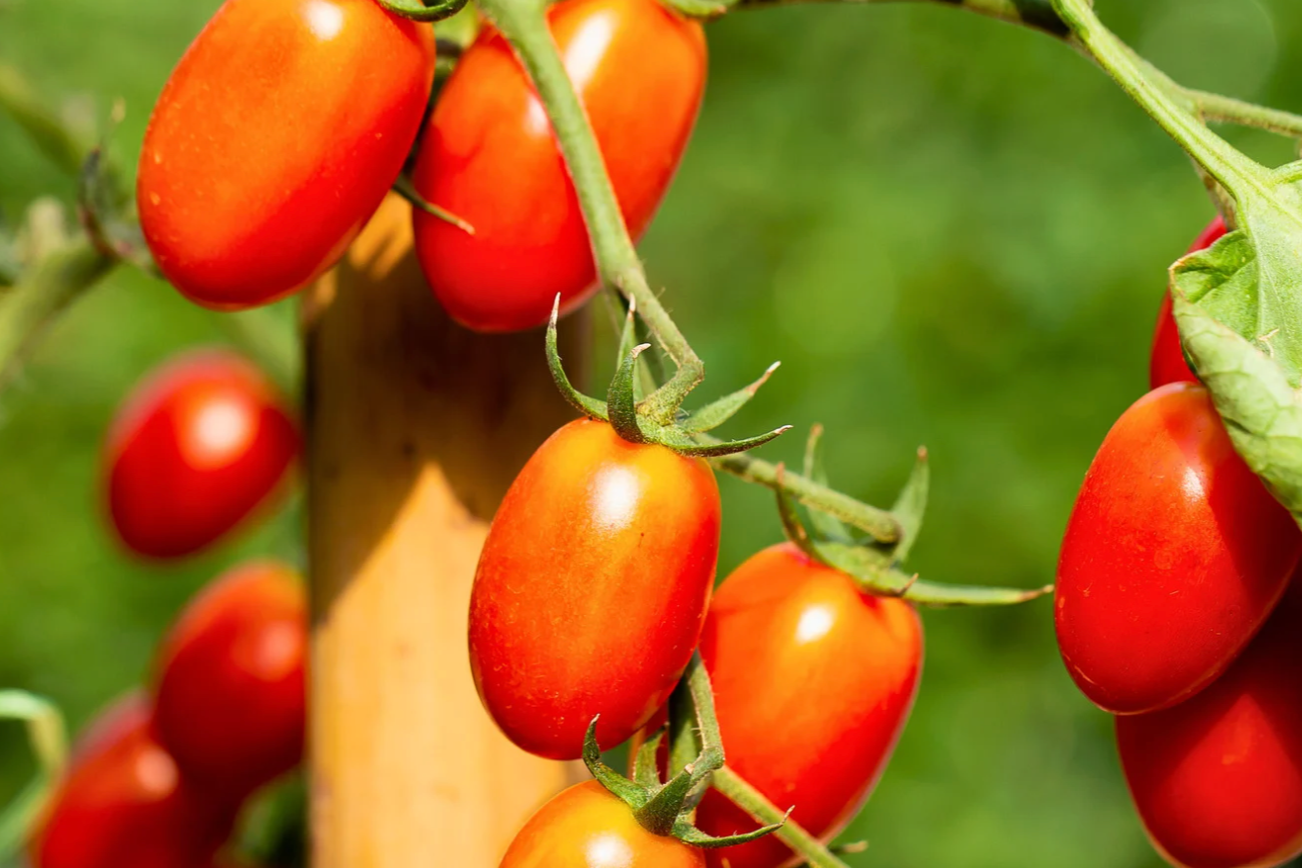
The smell of tomato leaves might remind you of late summer in the garden. Fresh citrus can bring back winter holidays. A pot of simmering soup can instantly feel comforting before the spoon ever touches your lips.
These responses happen almost instantly. The brain recognizes the scent first — and memory follows close behind.
Why Aroma Makes Simple Food Taste Better
One of the easiest ways to see aroma at work is in very simple cooking.
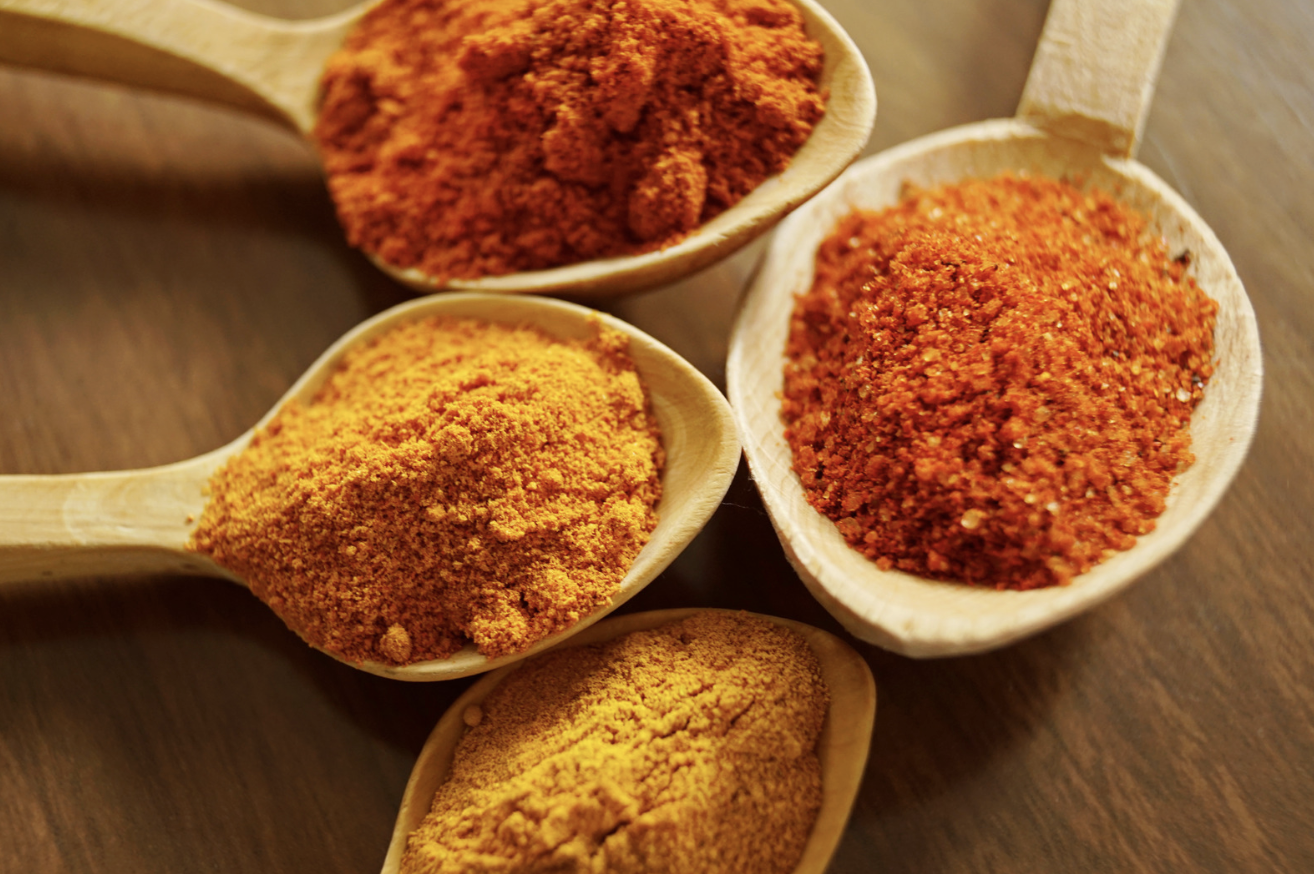
Think about what happens when fresh herbs are chopped. Or when spices bloom briefly in olive oil. Or when citrus zest is scattered over roasted vegetables.
Suddenly the kitchen smells alive.
Those aromas signal depth and completeness before the meal even reaches the plate. And interestingly, this is one reason simple, ingredient-focused meals can feel so satisfying. The fragrance tells the brain something important: this food is going to be good.

Aroma as an Overlooked Form of Nourishment
When people talk about nourishment, the conversation usually revolves around nutrients — vitamins, minerals, protein and fiber. All important, of course.
But sensory experience plays a role too.
Aromatic compounds influence appetite, digestion and even emotional response to food. The scent of herbs, citrus and spices helps the nervous system recognize a meal as satisfying and complete. In that sense, aroma becomes part of nourishment itself — an invisible element that shapes how the body receives food.
The Quiet Work Aroma Does in the Kitchen
Most cooks rely on aroma instinctively, even if they’ve never thought about the science behind it.
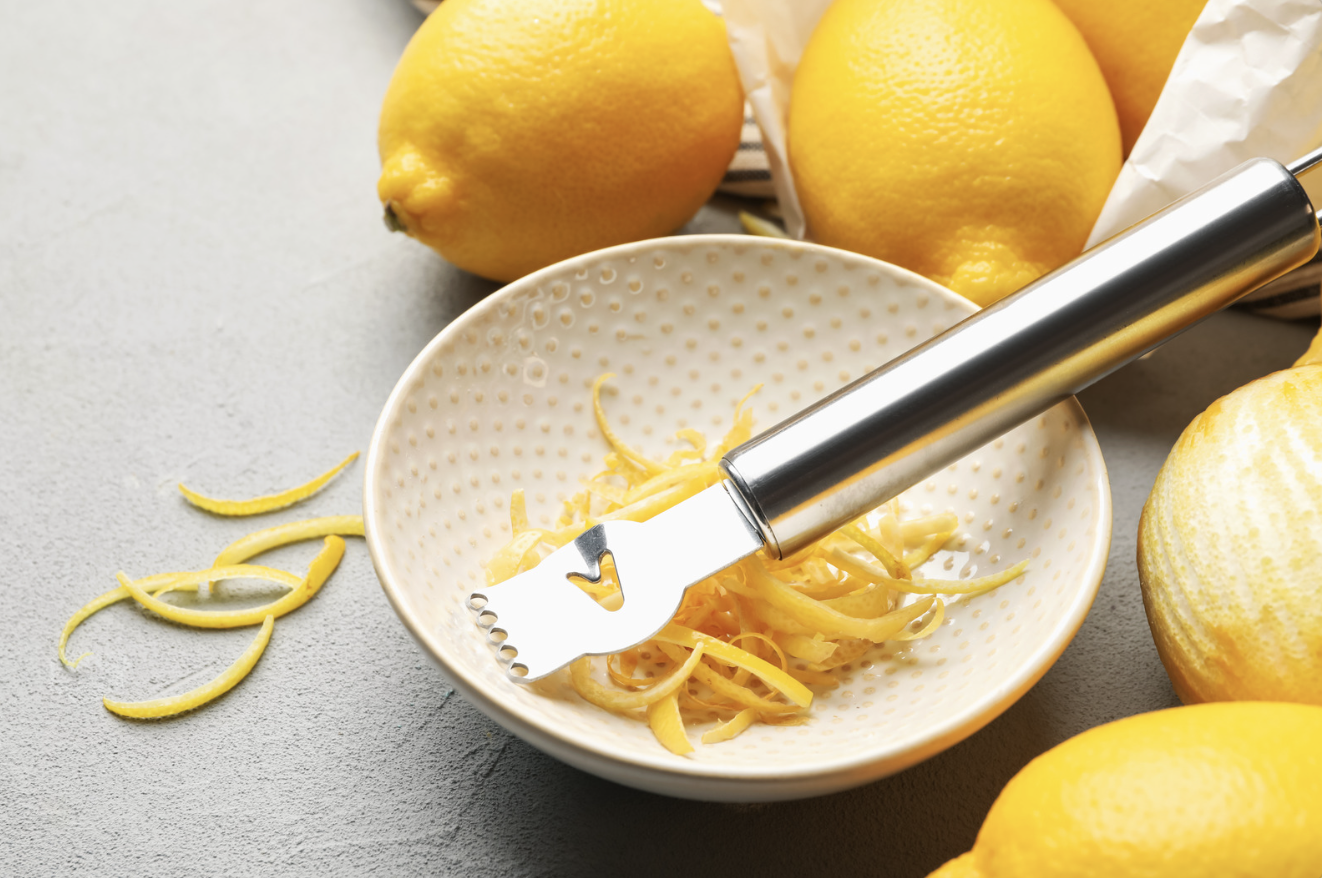
You crush herbs between your fingers before adding them to a dish. You zest a lemon at the last minute. You warm spices in olive oil before adding vegetables to the pan.
Each of those small actions releases aromatic oils that drift into the air and reach the senses first.
Long before the first bite, aroma is already doing its work — preparing the body, sharpening the appetite and turning simple ingredients into something memorable.
Related Blog Posts
Smart Salt: Rethinking Sodium, Minerals & Flavor in a Botanical Kitchen
https://cathleenrsmith.com/the-blog/smart-saltGarden Nasturtiums: Sweet, Peppery & Spicy
https://cathleenrsmith.com/the-blog/garden-nasturtiums