Why Oils Play a Unique Role
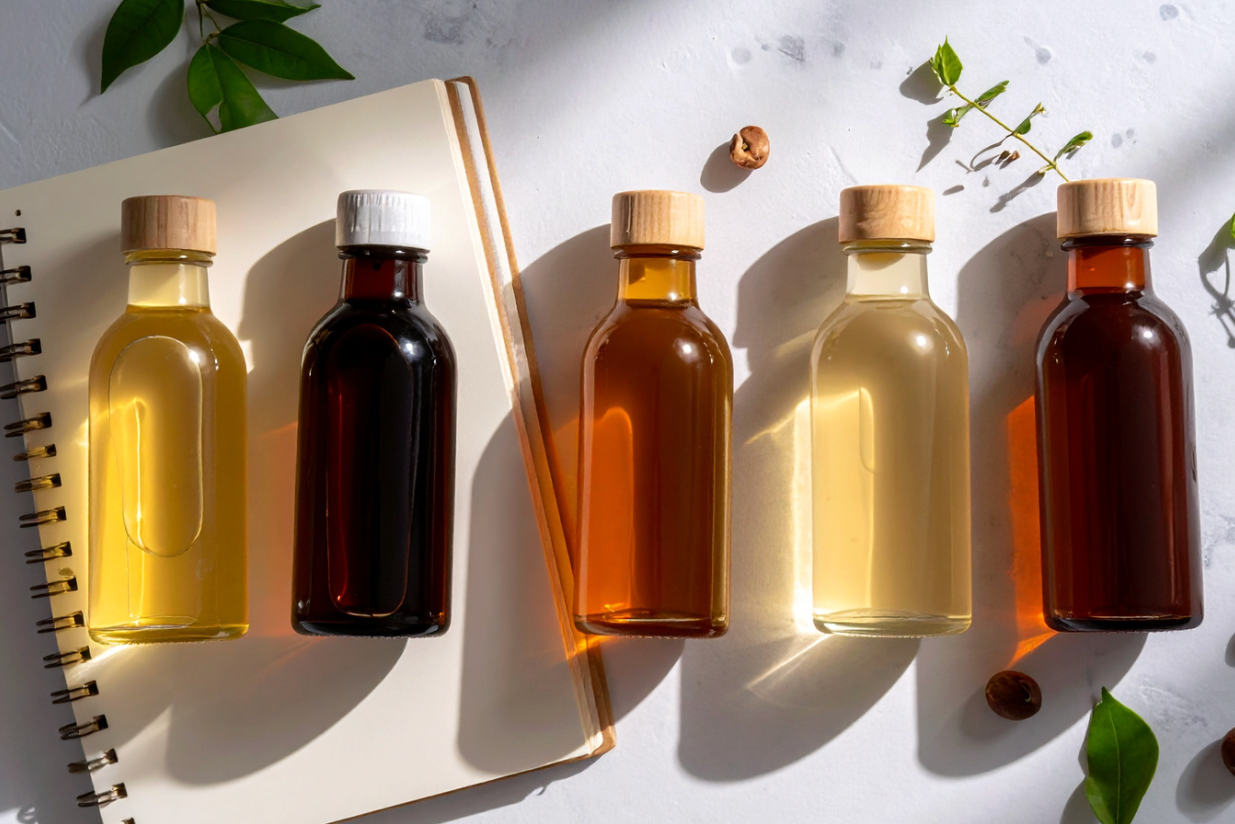
Most kitchens treat oil as a basic ingredient — something used to sauté vegetables, dress salads or finish a dish. But oils serve a deeper purpose in both cooking and plant chemistry. They act as carriers for many of the compounds that give plants their flavor, aroma and functional properties.
I touched on this idea in an earlier post on The Kitchen Beyond the Plate, but now I want to delve deeper.
When herbs, spices, citrus peel or seeds are infused in oil, their fat-soluble compounds dissolve into the oil itself. What begins as a simple culinary ingredient becomes a concentrated expression of the plant’s chemistry.
In other words, oil doesn’t just add richness to food. It helps deliver what plants contain.
How Oils Carry Fat-Soluble Nutrients
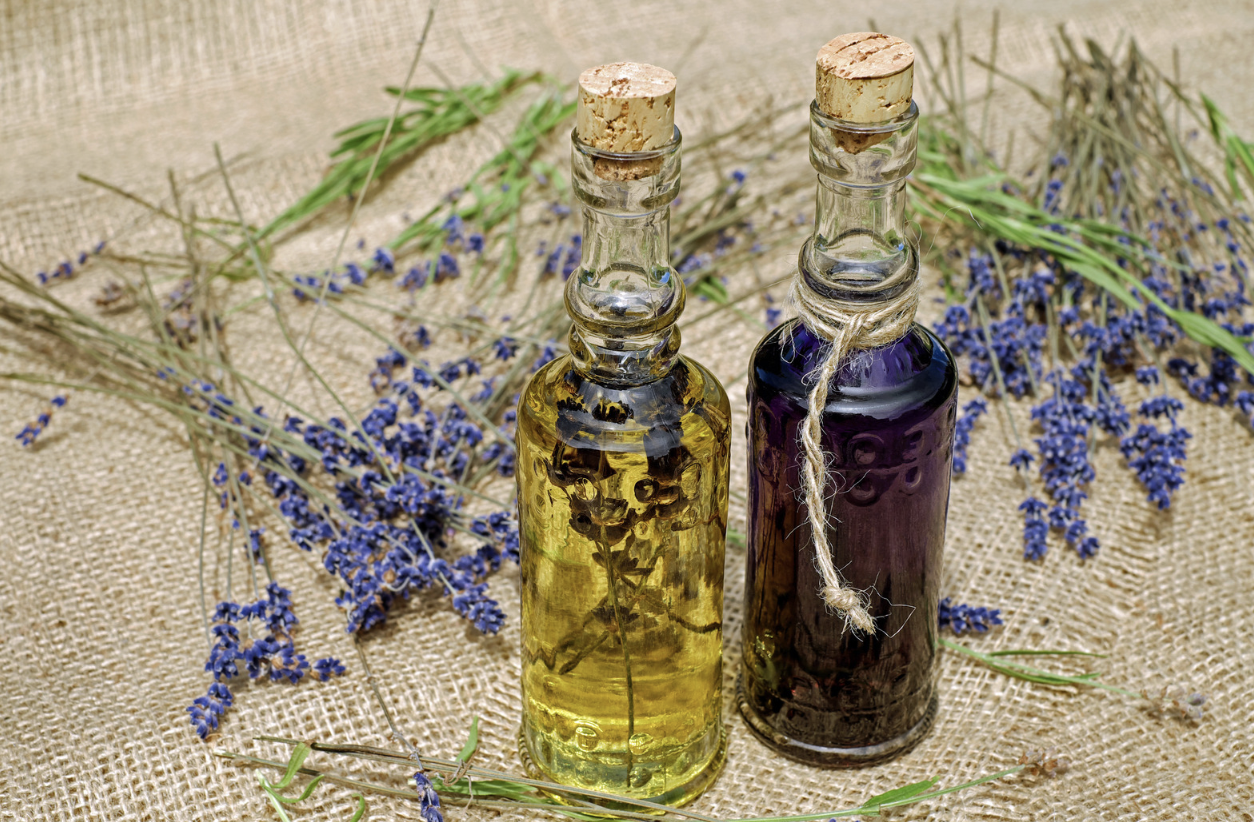
Many of the most valuable compounds in plants are fat-soluble, meaning they dissolve in oils rather than water. This includes certain antioxidants, aromatic molecules and vitamins such as A, D, E and K.
When vegetables are cooked with olive oil, or herbs are infused into a warm oil base, those nutrients become more accessible to the body. The oil acts as a transport system, helping the body absorb compounds that might otherwise pass through digestion less efficiently.
This is one reason traditional cuisines often pair vegetables with oils or fats. The combination enhances both flavor and nutrition.
Extraction: How Oils Capture Plant Compounds
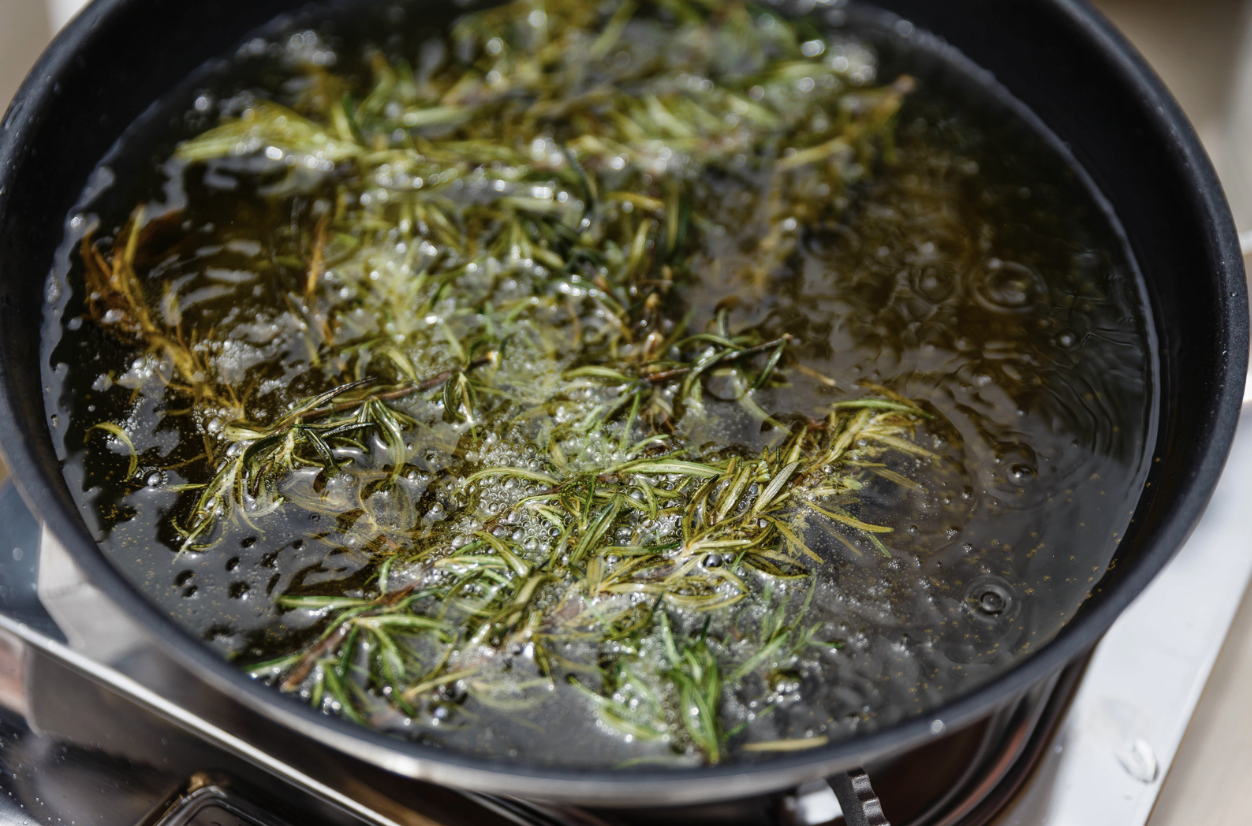
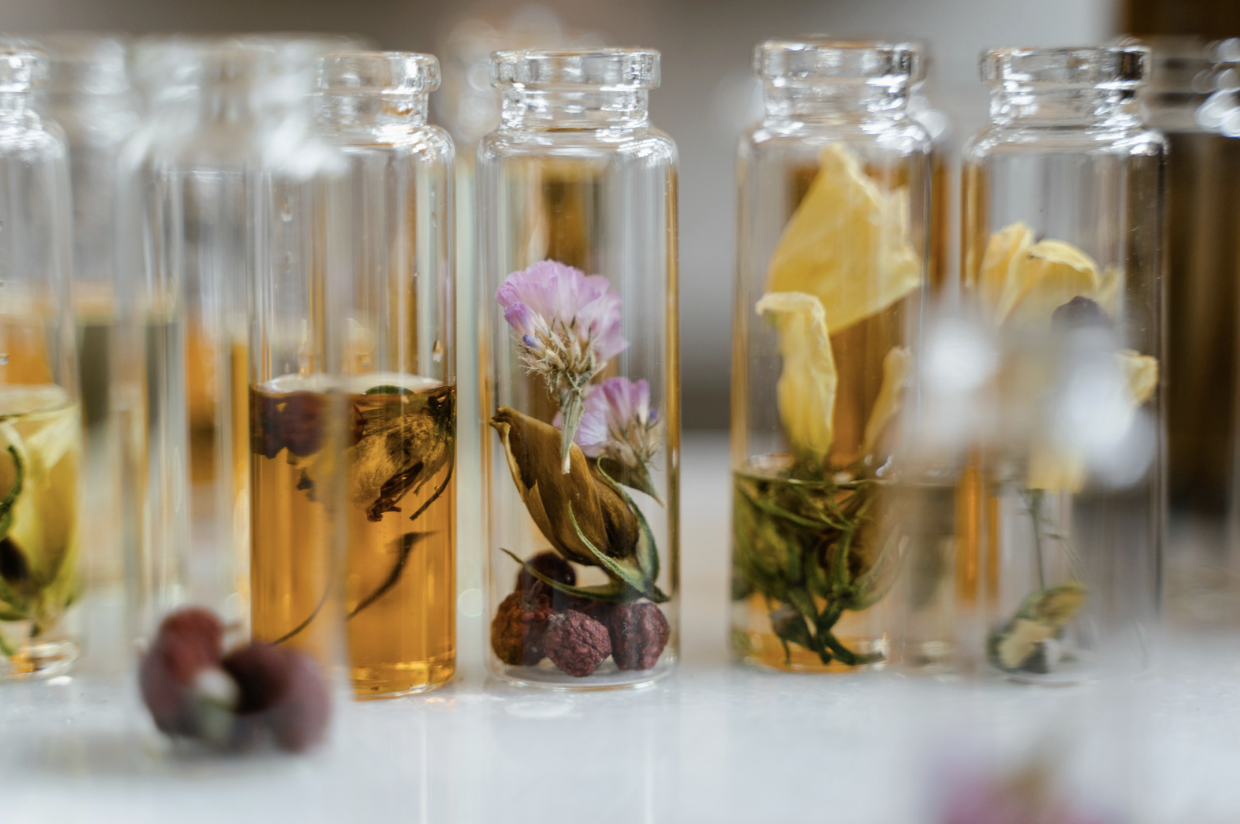
Oils also function as gentle extraction tools. When herbs steep in oil, their volatile and fat-soluble compounds gradually migrate into the liquid. Over time, the oil takes on the scent, color and beneficial properties of the plant.
This process is familiar in the kitchen. Garlic warming in olive oil perfumes an entire dish. Chili oil captures the heat and color of dried peppers. Citrus zest releases aromatic oils that blend seamlessly into dressings and sauces.
What’s happening in each case is simple plant chemistry: oil acting as a solvent for botanical compounds.
Culinary Oils as Functional Ingredients
Because oils carry so many plant compounds, they can be used intentionally in cooking as functional ingredients, not just fats.
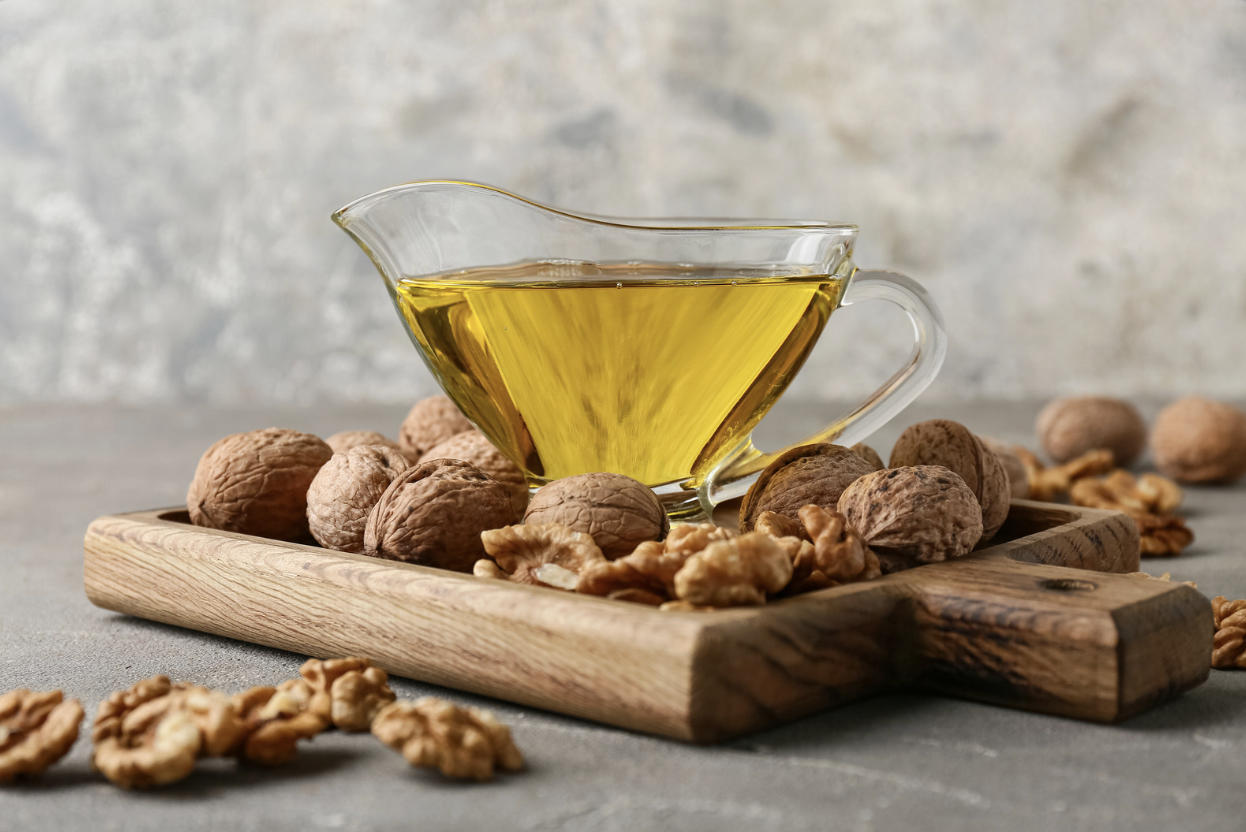
Extra virgin olive oil brings polyphenols and antioxidants. Walnut oil contributes delicate aromatic compounds. Sesame oil carries toasted seed notes that shape the flavor of entire dishes.
These oils do more than enrich texture. They deliver plant chemistry directly into the meal.
Oils Beyond the Plate: Skin & Scent
Once we recognize oils as carriers of plant compounds, their usefulness expands beyond cooking.
The same properties that allow oils to deliver nutrients through food also allow them to interact with the skin and the senses. Botanical oils infused with herbs or flowers have been used for centuries in skin care, massage and aromatic rituals.
In this context, oils become a bridge between nourishment and care — a way of delivering plant compounds not only through digestion but through touch and scent.
Why the Skin Recognizes Plant Oils
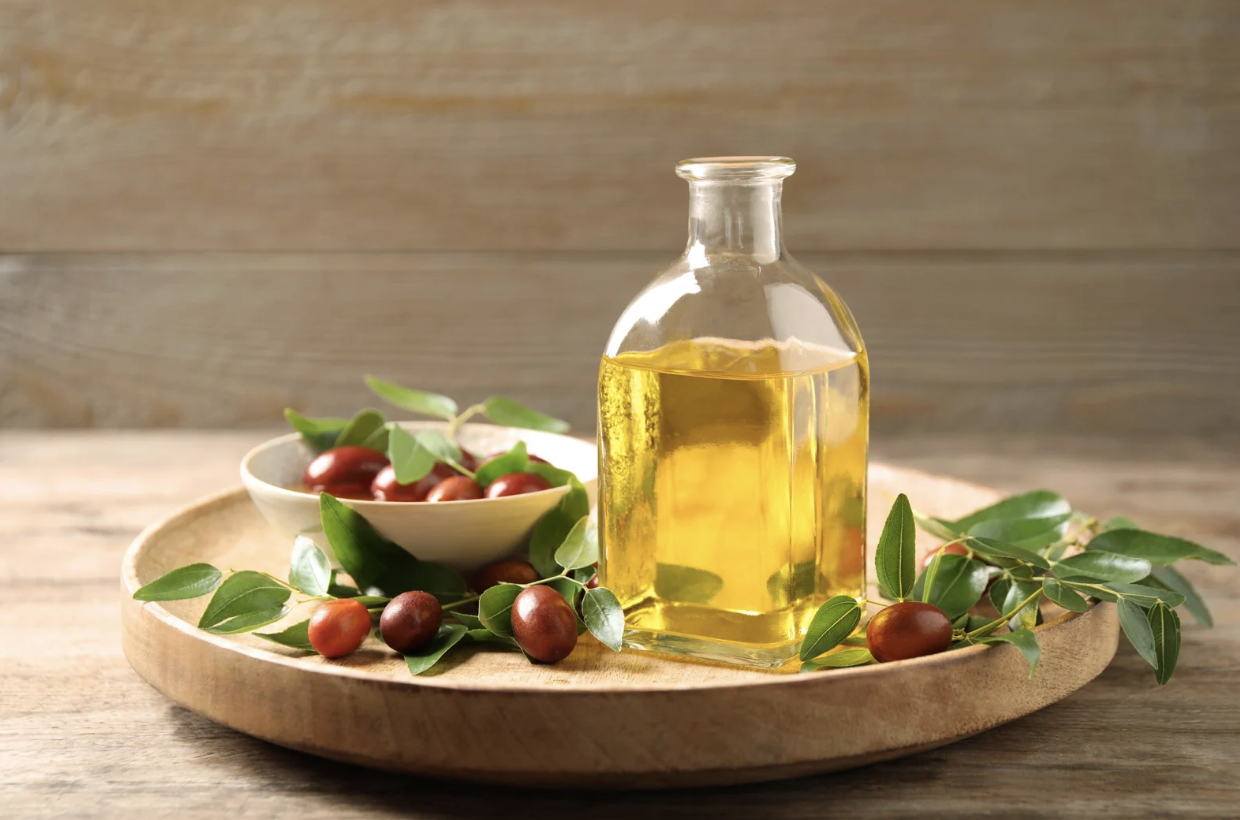
The skin is remarkably receptive to oils because its outer layer contains lipids that interact naturally with fatty substances. When botanical oils are applied to the skin, some of their plant compounds can be absorbed while others remain on the surface, helping support moisture and barrier function.
This doesn’t mean every oil behaves the same way, but it explains why simple plant oils — olive, almond, jojoba, calendula-infused oil — have been valued in traditional botanical care for generations.
The body recognizes them.
Culinary-Grade Botanical Care
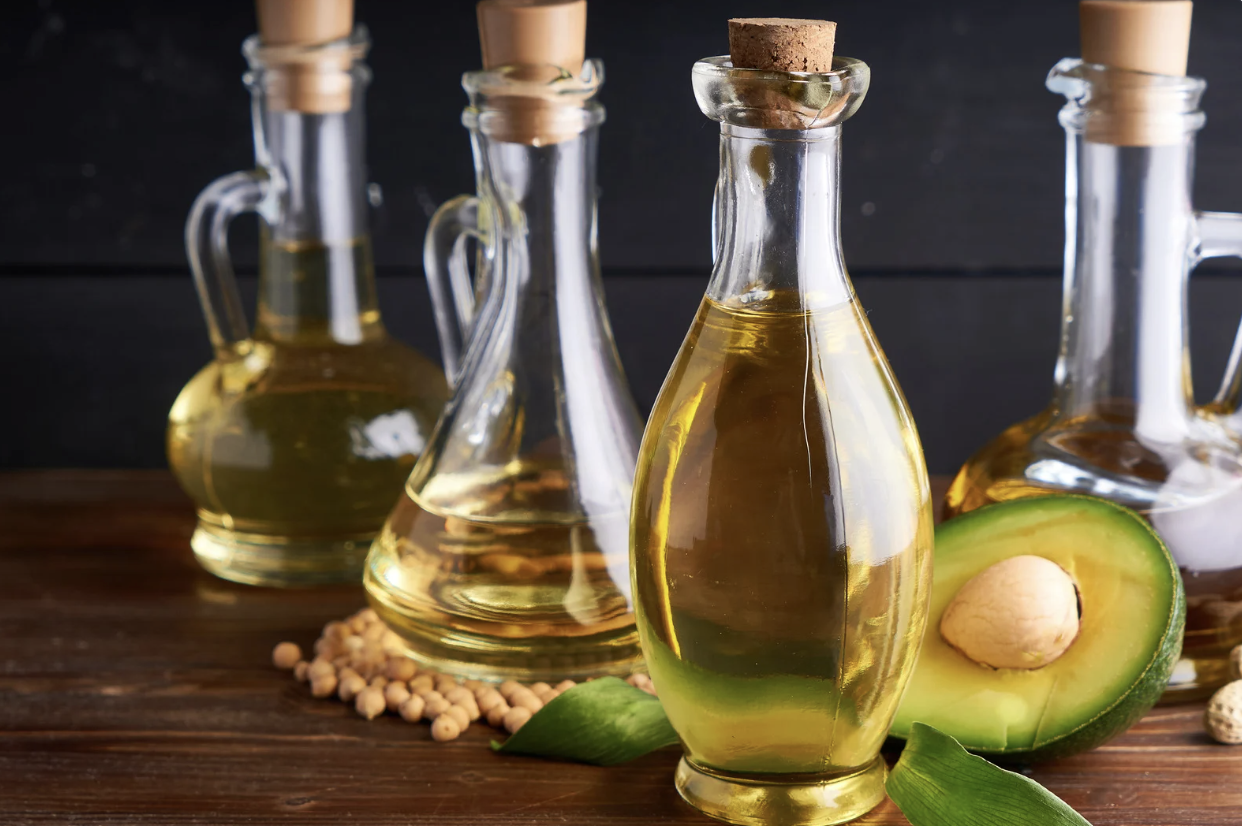
One of the most interesting developments in modern wellness is the rediscovery of culinary-grade plant oils as part of daily care. Oils that begin in the kitchen — olive oil, avocado oil, infused herb oils — are increasingly recognized for their ability to nourish both food and skin.
This approach returns botanical care to something simple and ingredient-focused: plants grown well, oils pressed carefully and preparations made with attention.
In many ways, it mirrors the philosophy of ingredient-first cooking.
The Quiet Versatility of Botanical Oils
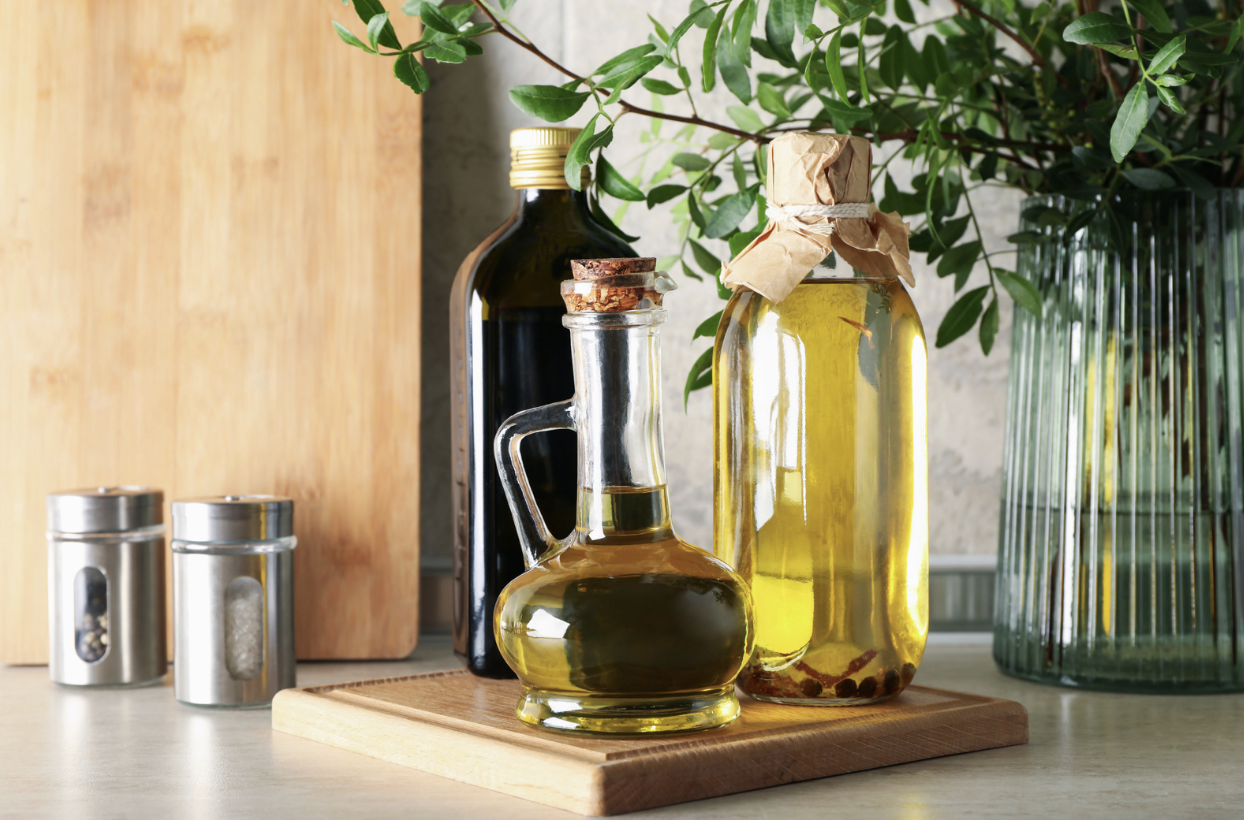
Seen this way, oils become far more than a pantry staple. They are carriers of flavor, aroma, nutrients and plant intelligence.
In the kitchen they enrich vegetables, herbs and grains. In botanical preparations they deliver plant compounds through scent and skin. In both cases, the principle is the same: oil acts as a medium through which plants share what they contain.
What begins as a simple ingredient becomes something far more versatile — a bridge between the garden, the kitchen and the everyday rituals of care.
Related Blog Posts
The Kitchen Beyond the Plate
Extra Virgin Olive Oil: Liquid Gold
https://cathleenrsmith.com/the-blog/extra-virgin-olive-oilAroma as the Fifth Element
https://cathleenrsmith.com/the-blog/aroma-fifth-elementAlice Waters & the Beauty of Ingredient-First Cooking
https://cathleenrsmith.com/the-blog/ingredient-first-cooking