
Why We Lost Our Taste for Bitter
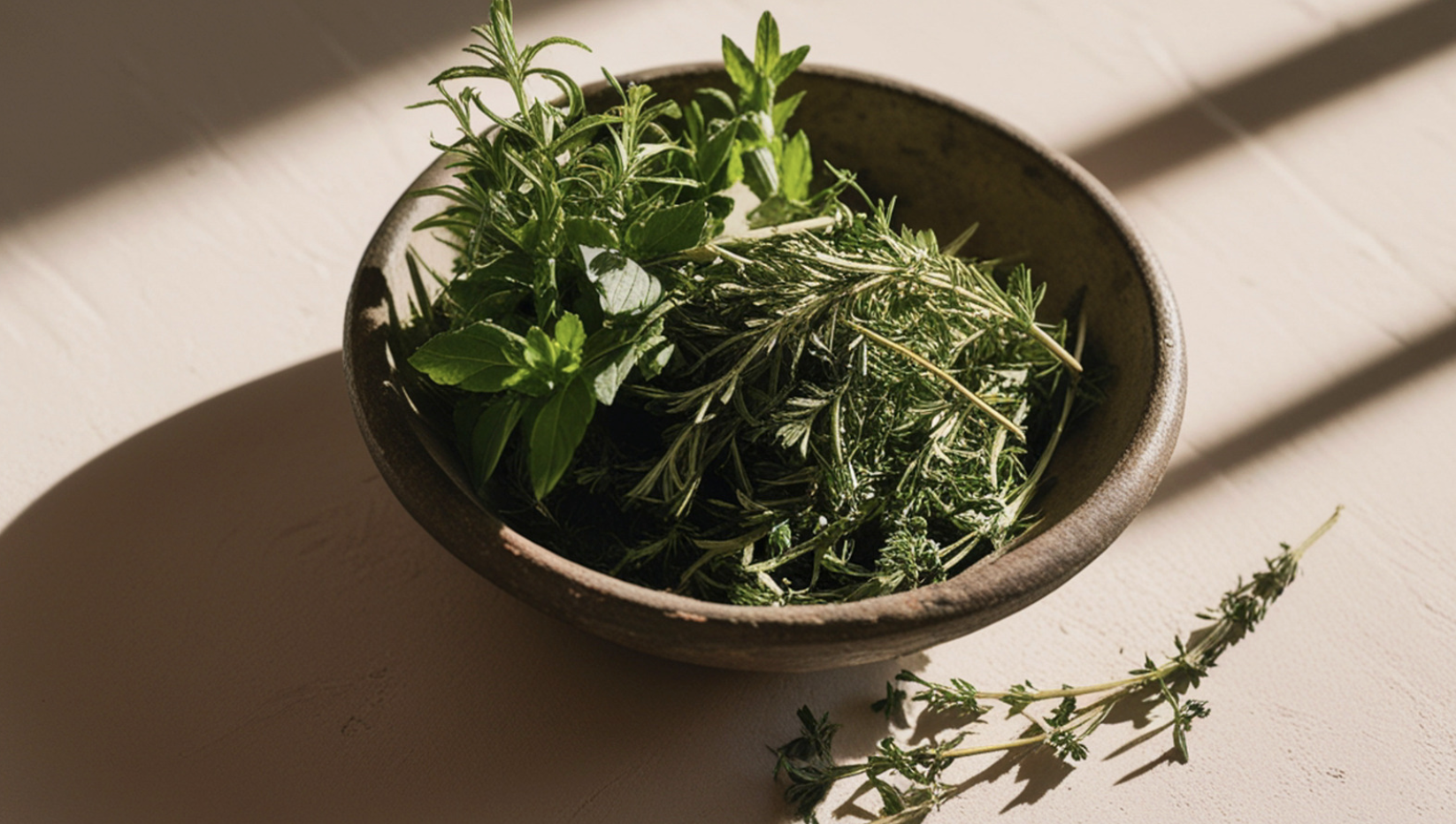
Bitterness is one of the first flavors humans learned to recognize — and one of the first we learned to avoid. Historically, bitter compounds signaled both danger and medicine. Over time, they also became markers of nourishment: dark greens, wild herbs, citrus peel, coffee, cacao. Yet in modern diets, bitterness has largely been bred out, processed away, or masked with sugar and salt.
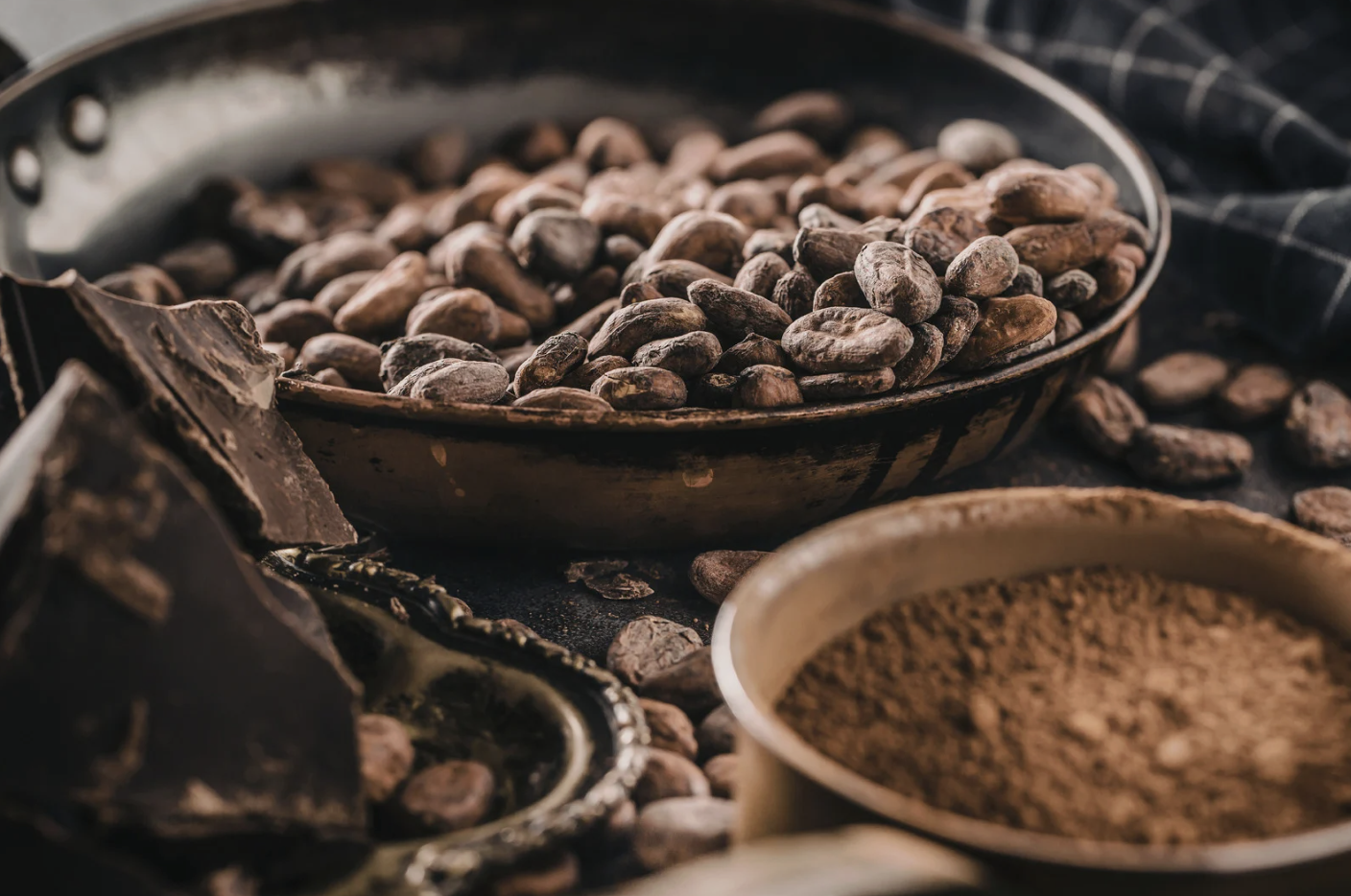
Today, many of us encounter bitterness only in coffee or chocolate — and even then, softened and sweetened. This cultural shift hasn’t just changed how food tastes. It’s changed how our bodies respond to meals.
What Bitter Compounds Actually Do
From a physiological perspective, bitter compounds play a direct role in digestion and metabolism. When bitter receptors on the tongue are stimulated, they trigger a cascade of responses: increased saliva, stomach acid, bile flow, and digestive enzyme release. In other words, bitterness prepares the body to eat.
This is why bitter foods have long been used as aperitifs and digestifs. They don’t suppress appetite — they organize it. Meals that include bitterness often feel more satisfying, not because they’re heavier, but because the body is better prepared to process them.
The Metabolic Cost of Constant Sweetness
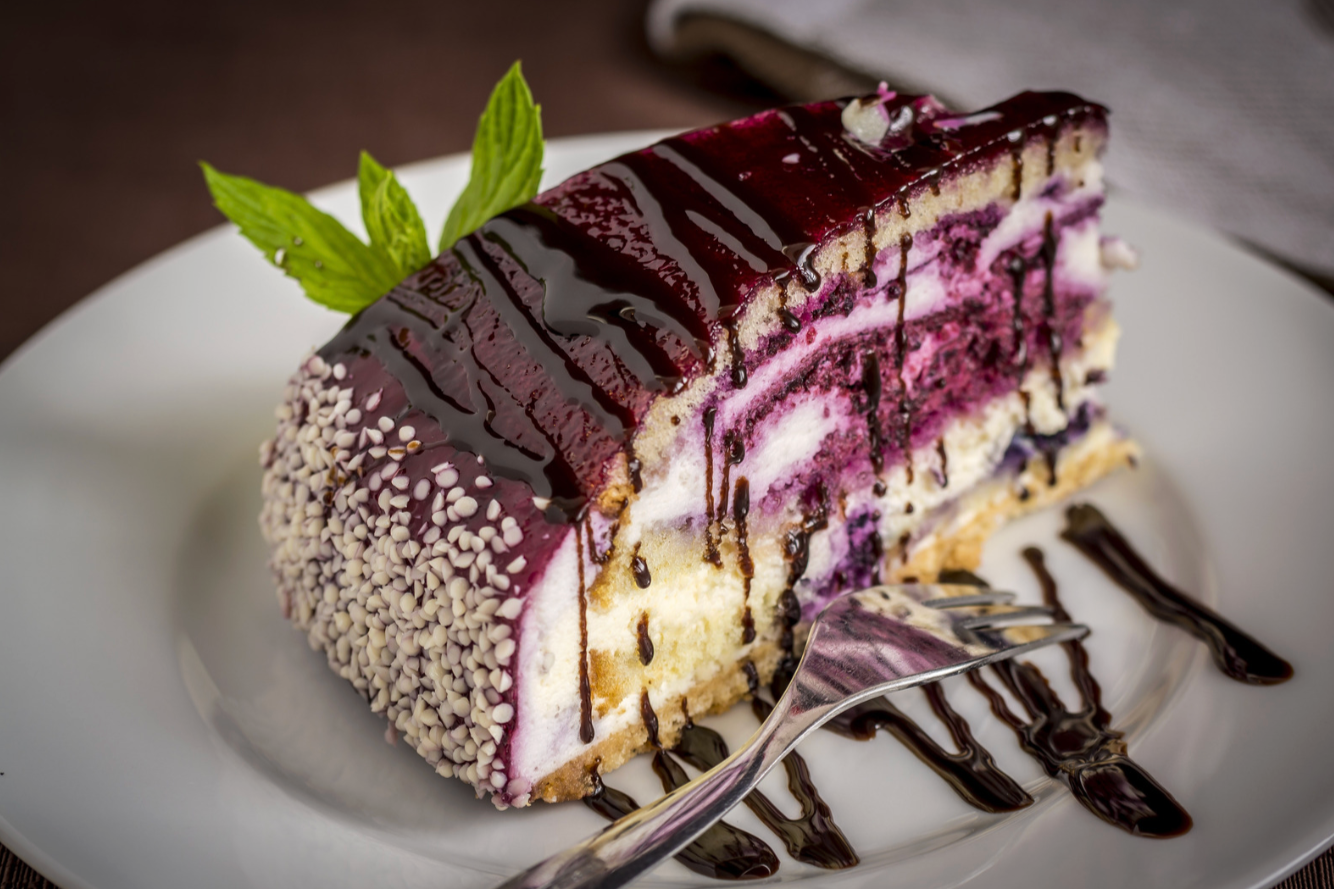
As bitterness disappeared from the everyday diet, sweetness took its place. Not just in desserts, but in bread, sauces, dressings, and snacks. When sweetness dominates without counterbalance, appetite regulation becomes less precise. We keep eating, not because we’re hungry, but because flavor never signals completion.
Balanced flavor — including bitter notes — helps the body recognize when enough is enough. This idea echoes what I wrote about in My Food Philosophy, where satisfaction comes from attention and balance rather than excess.
Bitterness as a Learned Taste
One reason bitterness feels challenging is that it requires patience. Unlike sweetness, which delivers immediate reward, bitterness unfolds more slowly. It asks us to stay present long enough to notice complexity.
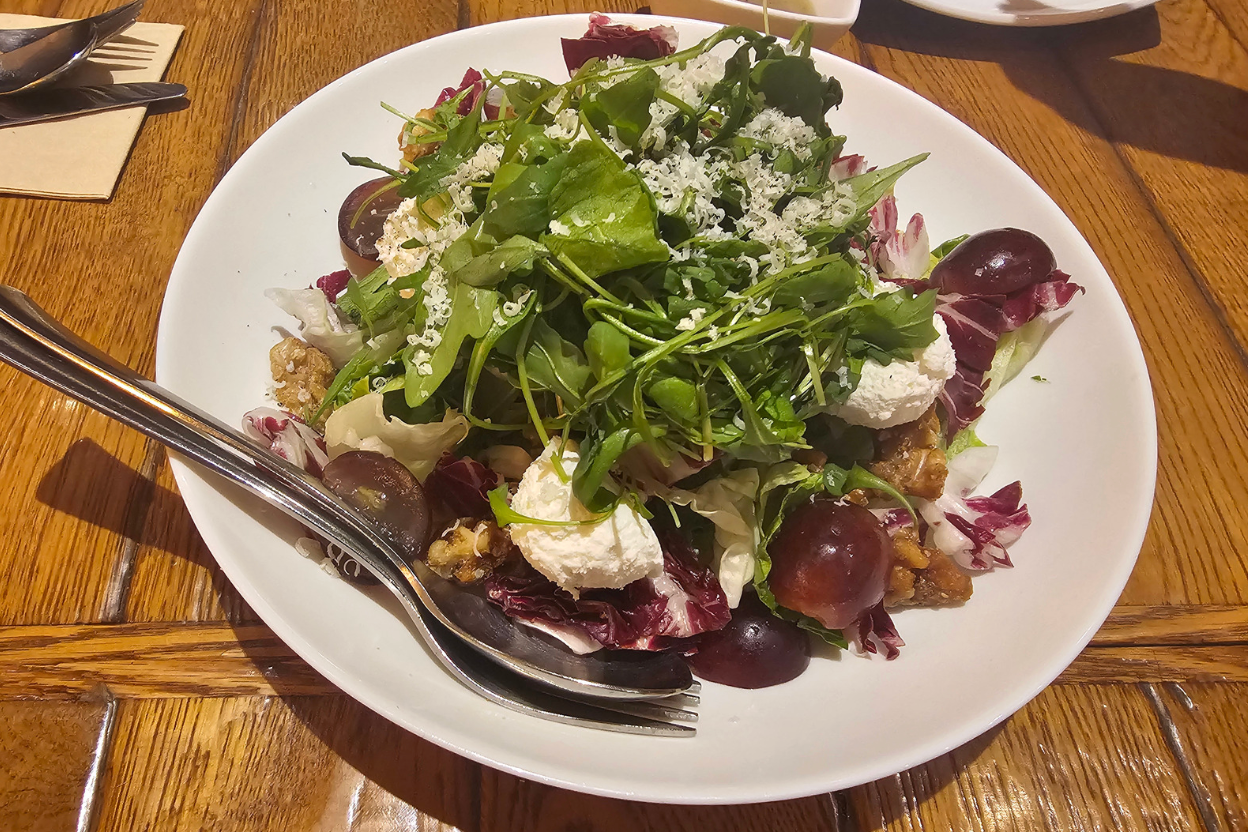
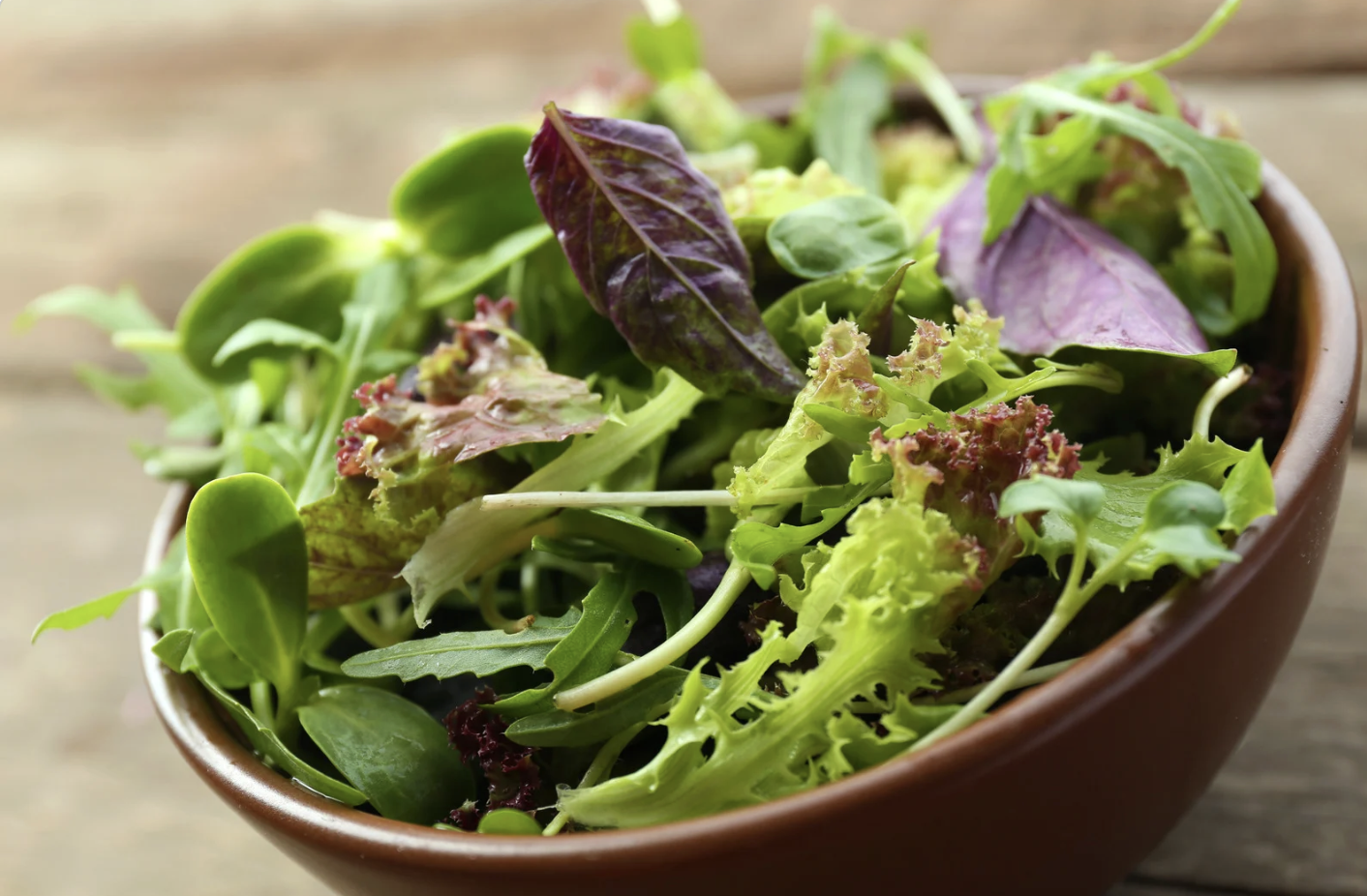
That learning process matters. When we regularly include bitter foods — arugula, radicchio, chicories, citrus zest, olive oil with bite — we build tolerance for nuance. Over time, bitterness stops feeling harsh and starts feeling grounding.
This is similar to what happens when we learn to appreciate a truly fresh olive oil — something I explored in Extra Virgin Olive Oil: Liquid Gold, where bitterness is a sign of polyphenol content, not a flaw.
Training the Senses Through Flavor
Bitterness does something else that’s easy to overlook: it trains discernment. When we learn to appreciate flavors that aren’t immediately soothing, we sharpen our ability to notice subtle differences. We taste more carefully. We become less dependent on intensity.
That kind of sensory literacy doesn’t stay confined to the plate. It shapes how we experience aroma, texture, and even daily rituals of care. Complexity becomes something we tolerate — and eventually value — rather than something we rush to soften.
Bringing Bitterness Back — Gently
Reintroducing bitterness doesn’t mean forcing yourself to eat foods you dislike. It means pairing bitter elements with fat, acid, or sweetness so they feel integrated rather than jarring. A bitter green with olive oil and lemon. Citrus zest folded into a warm dish. A salad that finishes with something sharp instead of sugary.
These small adjustments help rebuild a flavor vocabulary that includes more than comfort alone.
A Different Definition of Nourishment
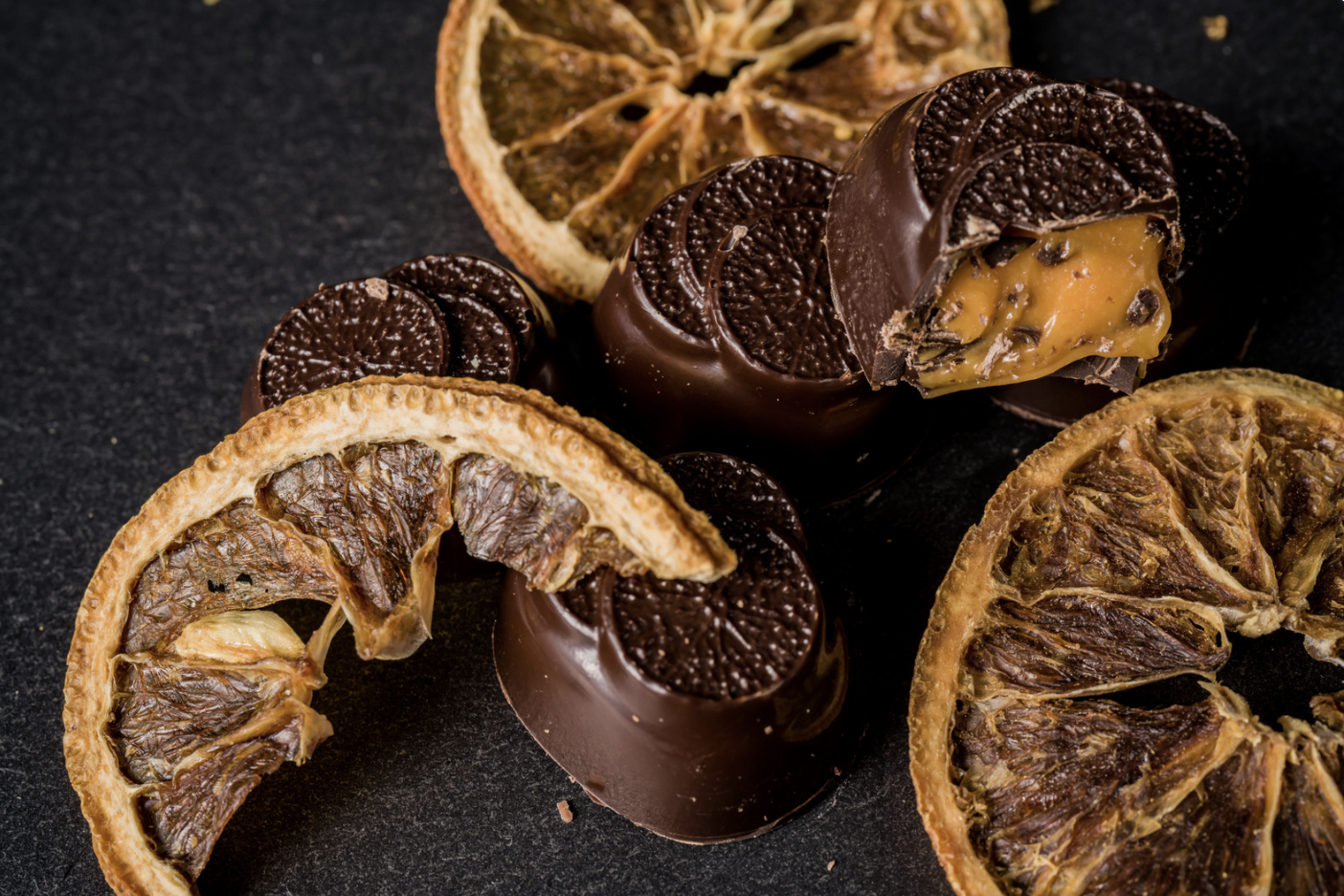
Bitterness reminds us that nourishment isn’t always about ease or sweetness. Sometimes it’s about complexity — flavors that ask us to slow down, pay attention, and stay present a little longer.
When we make room for bitterness, we expand our capacity to experience food more fully. And in doing so, we quietly redefine nourishment as something deeper than constant soothing — something that supports balance, discernment, and resilience.
Related Blog Posts
My Food Philosophy
https://cathleenrsmith.com/the-blog/my-food-philosophyExtra Virgin Olive Oil: Liquid Gold
https://cathleenrsmith.com/the-blog/extra-virgin-olive-oil