Growing a Flavor Garden for Everyday Cooking
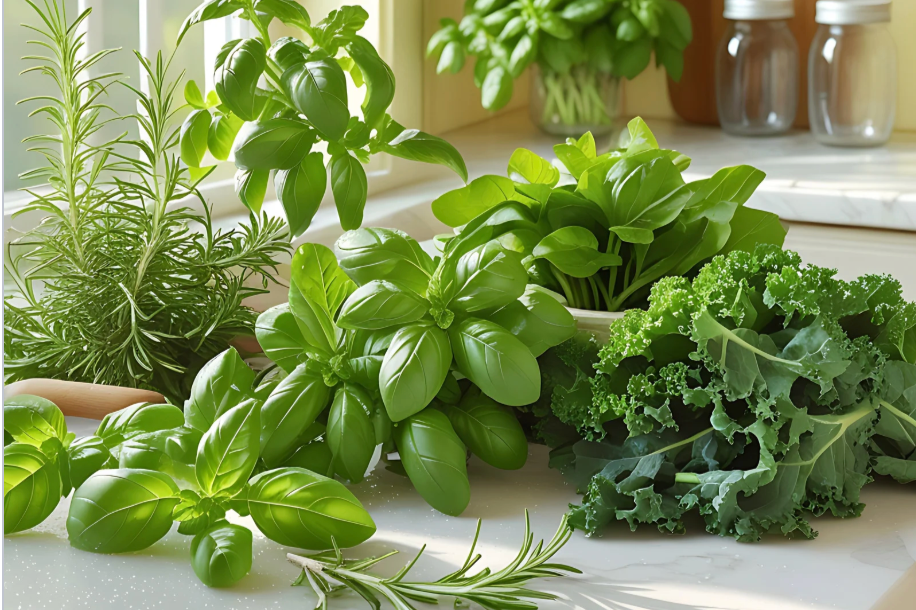
There’s a difference between cooking with plants and living near them. When herbs, citrus and edible flowers are within reach — just outside the kitchen door or on a sunny windowsill — they stop being specialty ingredients and start becoming daily companions. A flavor garden isn’t ornamental. It’s practical. It’s built around what you reach for again and again: parsley, thyme, rosemary, chives, citrus, calendula, nasturtium, mint. The goal isn’t abundance. It’s proximity.
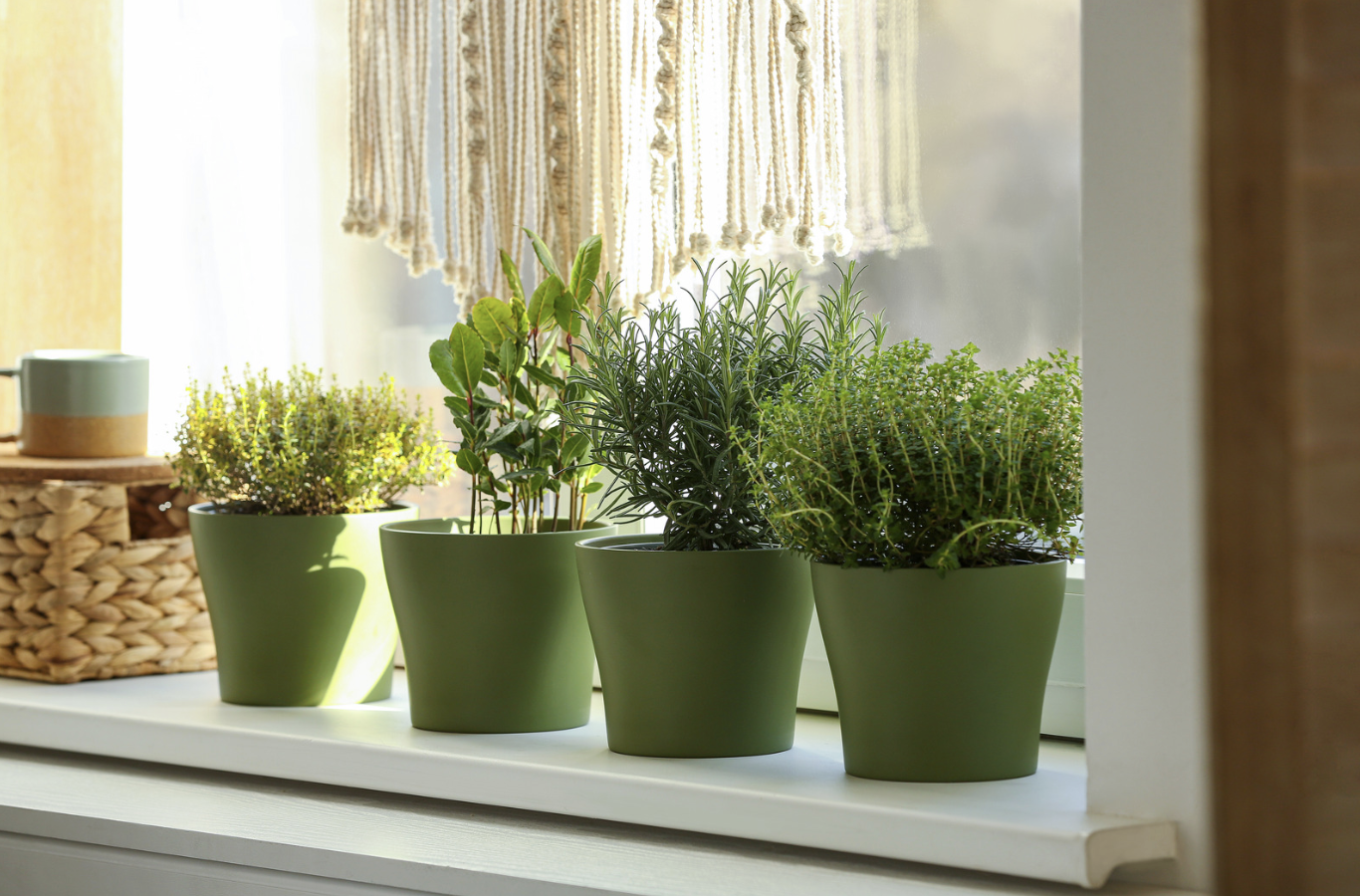
Growing Your Own Herbs Improves Flavor
Freshness changes everything. The volatile oils that give herbs their aroma — the compounds responsible for both flavor and many of their phytochemical benefits — begin dissipating as soon as a plant is harvested. When you cut herbs moments before adding them to a dish, you preserve both fragrance and function.
This matters not only for taste but for nutrient density. Many culinary herbs contain polyphenols, flavonoids and essential oils that support digestion and overall metabolic balance. I’ve written about this relationship between plants and nourishment in posts like A Year of Edible Flowers: What to Cook, Preserve & Sip in Every Season and Extra Virgin Olive Oil: Liquid Gold, where bitterness and aroma are signs of potency, not flaws.
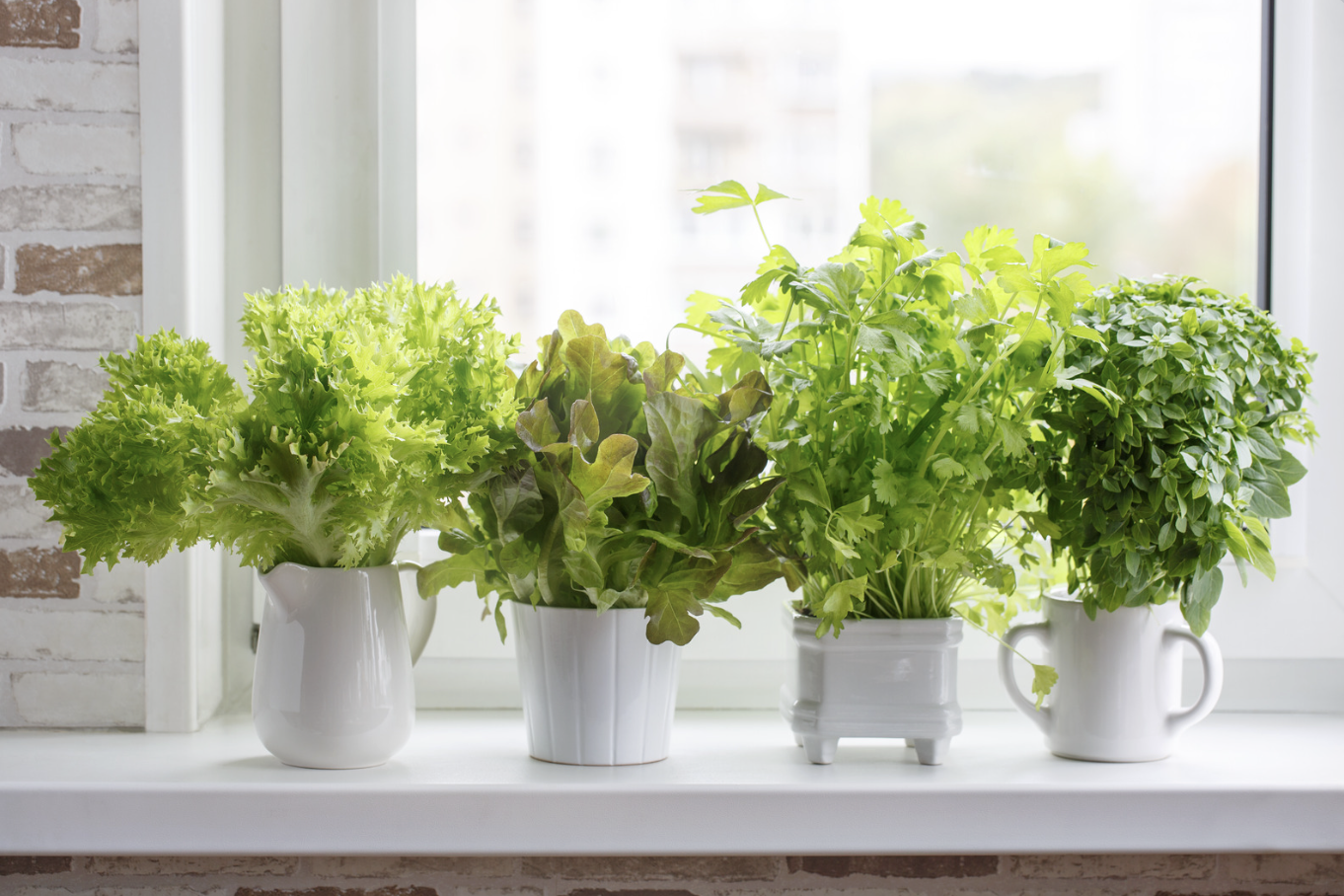
What to Plant in a Flavor Garden
A practical flavor garden begins with three categories:
1. Everyday herbs: parsley, thyme, oregano, rosemary, chives, mint
2. Citrus (if climate allows): Meyer lemon, lime, kumquat or even potted dwarf varieties
3. Edible flowers: calendula, nasturtium, borage, chamomile
These aren’t decorative additions — they’re functional. Parsley brightens grains. Thyme deepens broths. Citrus zest sharpens roasted vegetables. Nasturtium adds peppery contrast. Calendula petals hold carotenoids that withstand gentle heat. When planted intentionally, these ingredients support daily cooking rather than special occasions.
Seasonal Rhythms & Phytochemical Density
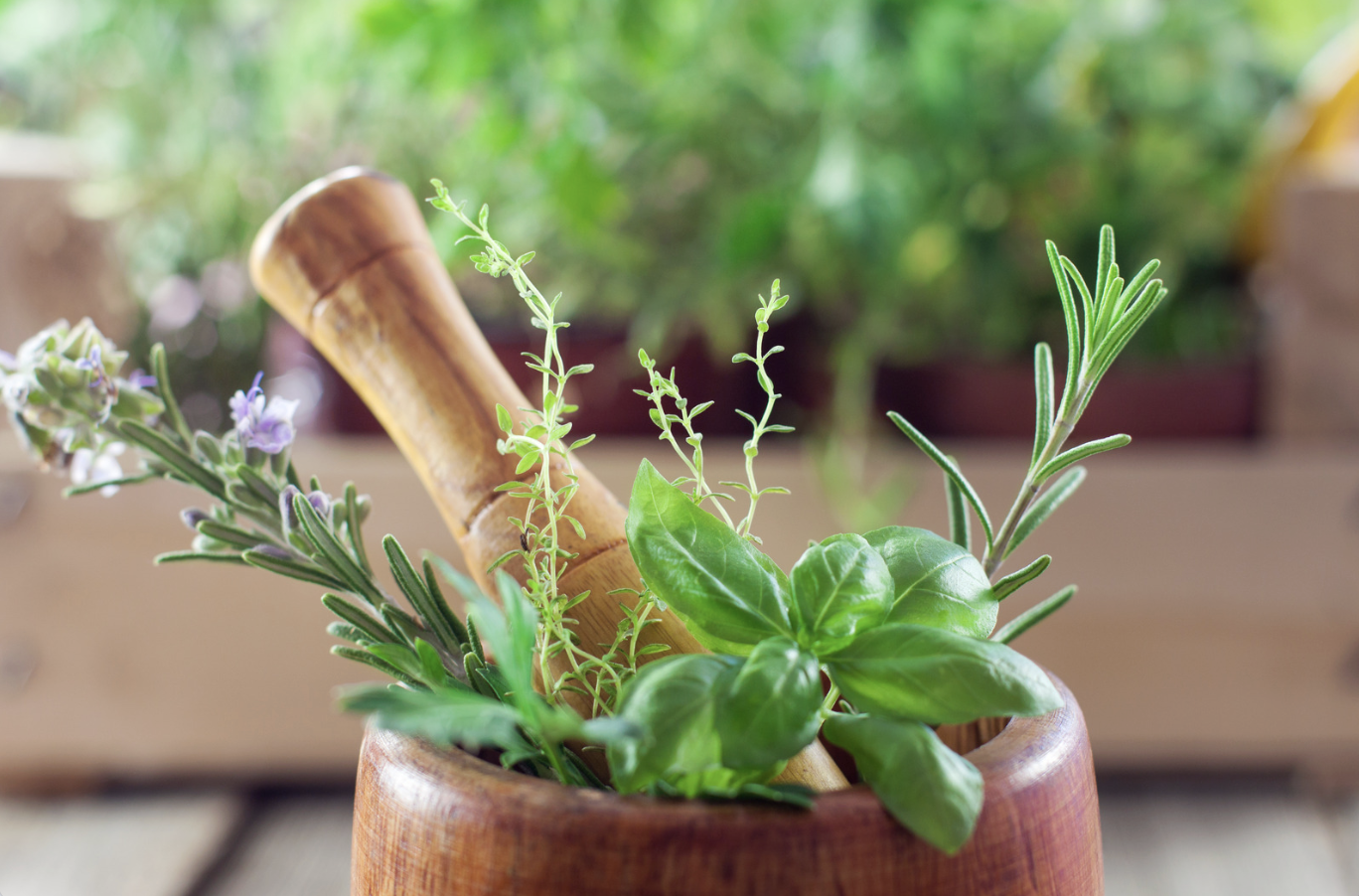
Plants follow seasons, and so does nourishment. In spring, tender herbs and blossoms bring lightness and gentle bitterness that stimulate digestion. In summer, volatile oils peak under the sun, intensifying aroma and flavor. Autumn herbs become more resinous and grounding. Even winter windowsill herbs carry concentrated flavor because growth slows and oils thicken.
Growing your own plants naturally reintroduces seasonality into cooking. Instead of forcing uniform flavor year-round, you adjust. This rhythm echoes what I explored in My Food Philosophy, where food isn’t static — it shifts with light, soil and time.
Harvesting as Sensory Engagement
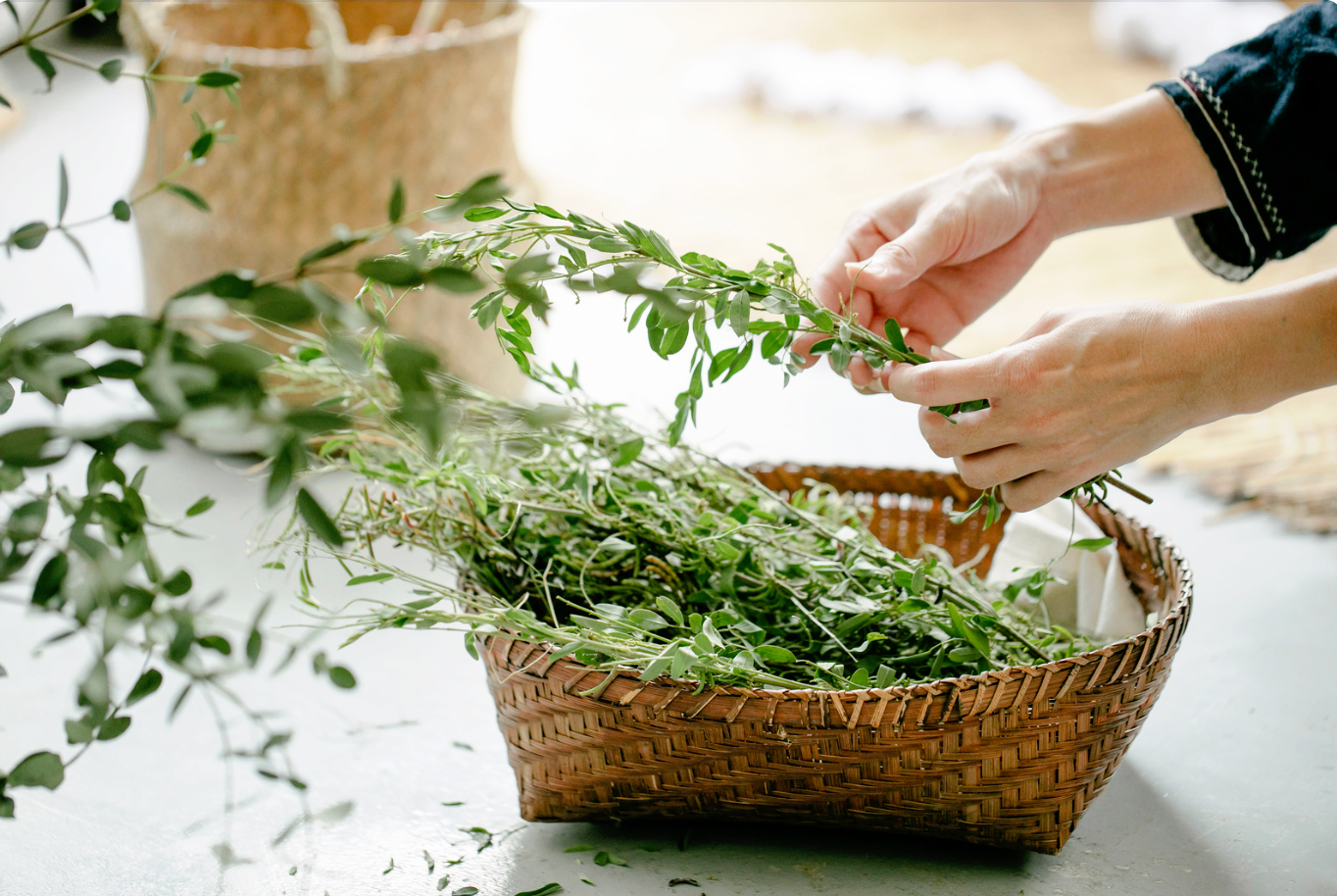
Harvesting is tactile. You pinch leaves, brush stems, inhale fragrance. You feel texture before you taste it. That proximity changes how you cook. Instead of measuring from a jar, you adjust by scent and instinct.
This kind of engagement strengthens sensory literacy — something I discussed in Bitterness: Rediscovering the Most Overlooked Flavor, where learning to appreciate nuance reshapes how we experience flavor.
When plants are close, you use them more freely. A handful of chopped herbs instead of a teaspoon. Zest instead of bottled juice. Fresh petals instead of dried garnish. Flavor becomes layered, not loud.
Plants as Companions in Nourishment
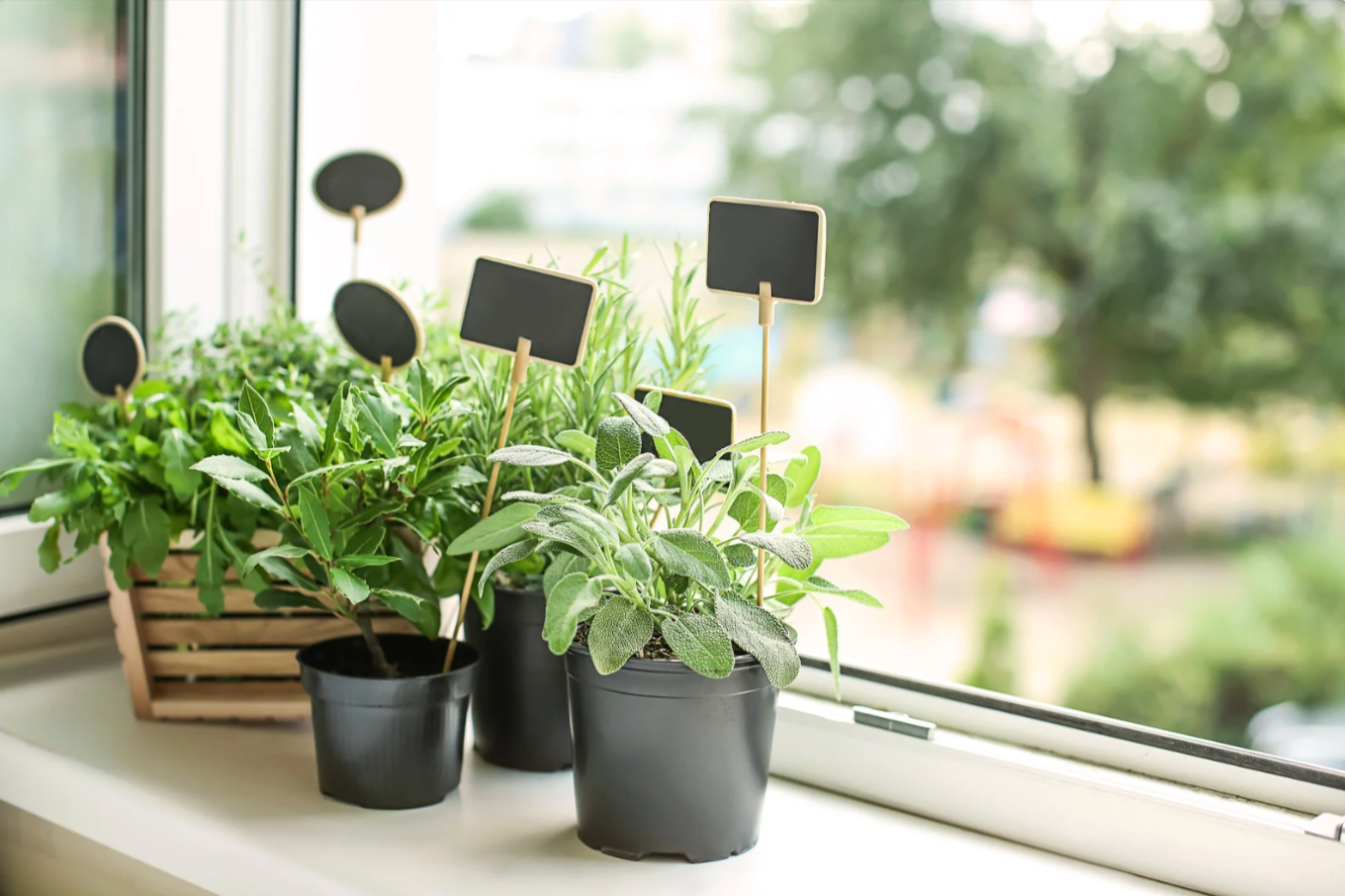
Over time, a flavor garden becomes less about ingredients and more about relationship. You notice when rosemary turns a darker green. When calendula blooms more intensely after rain. When mint takes over a corner of soil. These patterns build familiarity.
Daily proximity to living plants changes the pace of cooking. You step outside before you step to the stove. You harvest before you season. Nourishment begins in the garden, not just on the plate.
That closeness reframes plants not as commodities, but as collaborators — steady presences that shape flavor, rhythm and care. Learn a bit more about using plants to enhance flavor in my post 6 Simple Flavor Boosters Every Home Cook Should Know.
A Practical Start
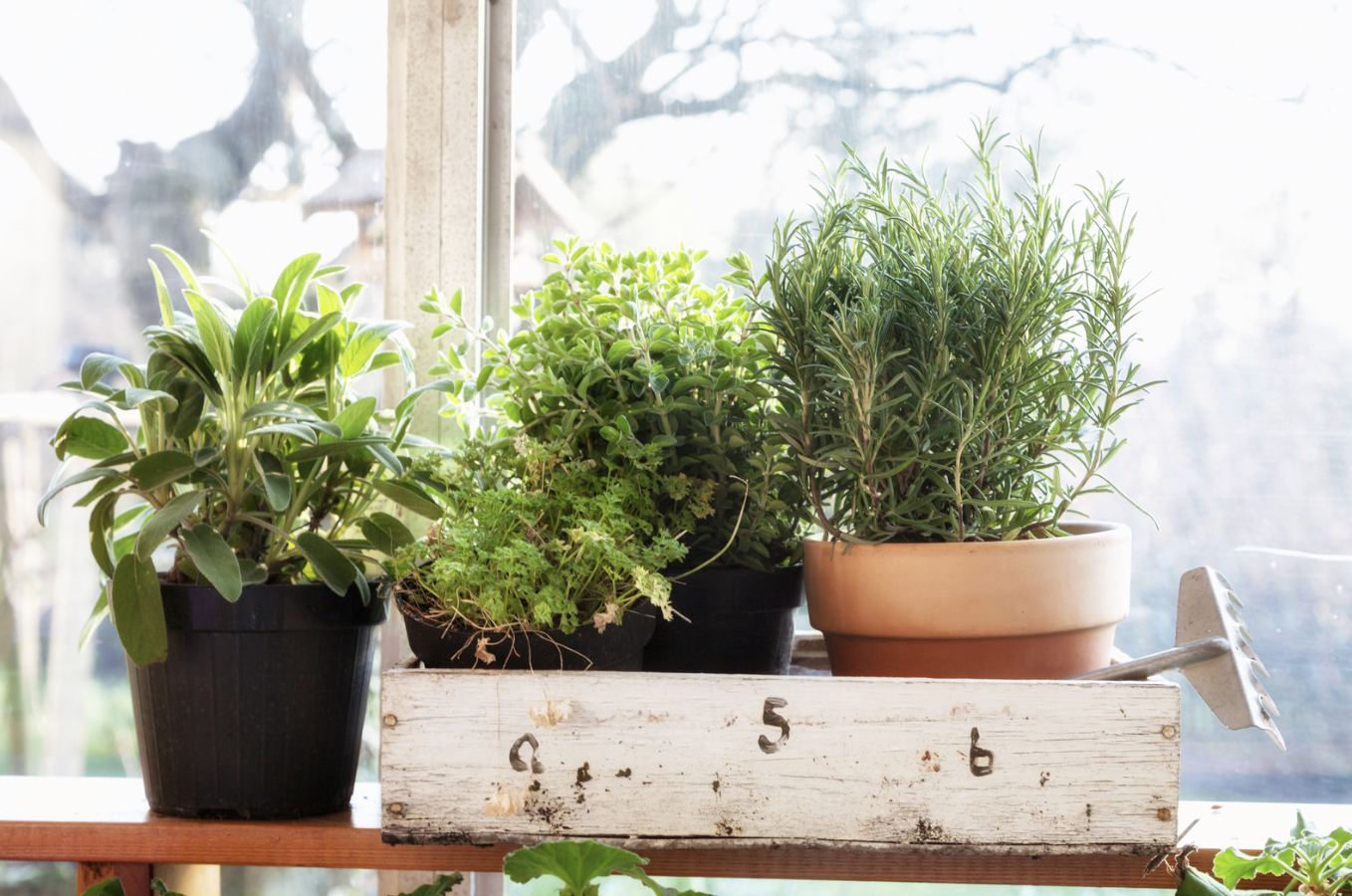
You don’t need acreage. A few pots of herbs near the kitchen door, a dwarf citrus in a sunny corner, a small bed of edible flowers. The point isn’t scale; it’s access. Growing even three or four core plants can noticeably improve freshness, aroma and nutrient density in everyday meals.
Flavor gardens don’t make cooking more complicated. They make it more immediate. And when plants become part of your daily landscape, nourishment feels less like something you assemble — and more like something you participate in.
If you’d like a simple guide to planting the herbs, citrus and edible flowers mentioned here, I’ve created a printable Flavor Garden Planting Guide you can download below.
Related Blog Posts
A Year of Edible Flowers: What to Cook, Preserve & Sip in Every Season
https://cathleenrsmith.com/the-blog/year-of-edible-flowersExtra Virgin Olive Oil: Liquid Gold
https://cathleenrsmith.com/the-blog/extra-virgin-olive-oilMy Food Philosophy
https://cathleenrsmith.com/the-blog/my-food-philosophyBitterness: Rediscovering the Most Overlooked Flavor
https://cathleenrsmith.com/the-blog/bitterness-overlooked-flavor6 Simple Flavor Boosters Every Home Cook Should Know
https://cathleenrsmith.com/the-blog/flavor-boosters