The Restorative Power of Herbal Teas
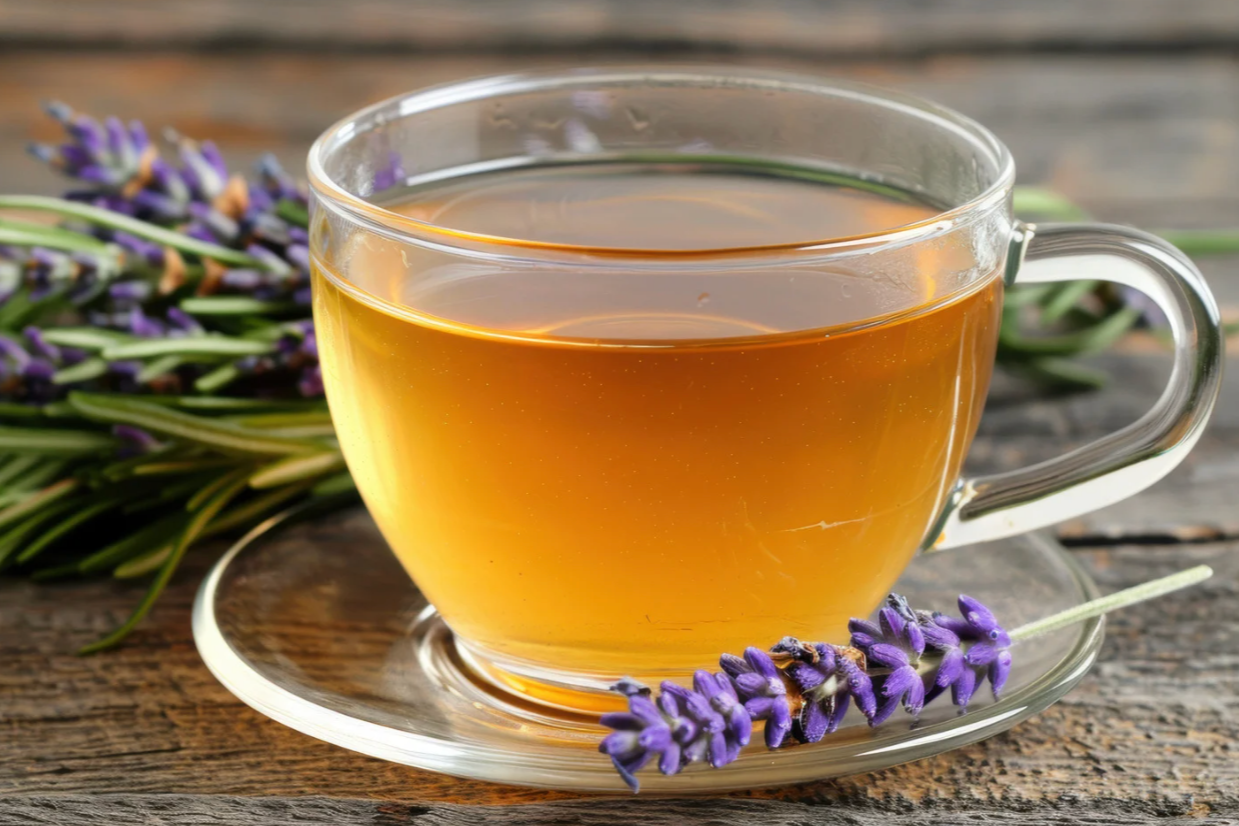
Sip, Soak & Heal
There’s something ancient and reassuring about the act of steeping plants in warm water. Whether it’s a steaming mug on a cold afternoon or a fragrant bath that fills the air with the scent of lavender and mint, herbal teas are one of the simplest ways to bring nature’s medicine into daily life.
Warmth itself is healing — it soothes tense muscles, quiets the nervous system and helps the body absorb the goodness of the plants. Add herbs to the mix, and you have comfort, chemistry and ritual all in one cup.
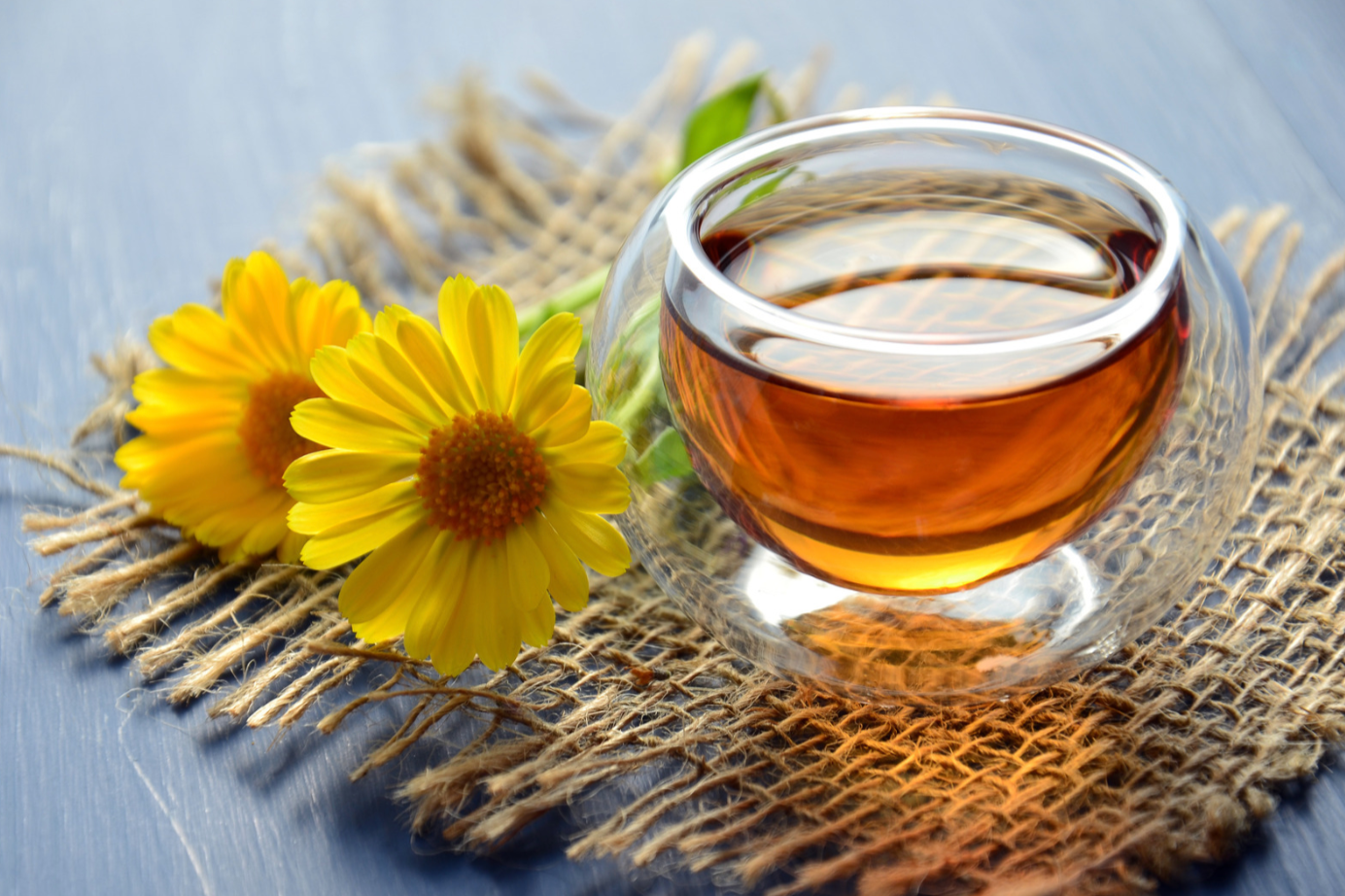
The Beauty of Herbal Teas
Almost every part of a medicinal plant can be used to make tea — leaves, flowers, roots, seeds or bark — depending on what you’re hoping to achieve. Leaves and flowers are usually steeped gently, while roots and bark are simmered longer to release their beneficial compounds. Herbal teas can ease digestion, calm stress, support immunity or help you sleep. They offer gentle, cumulative benefits — no pharmaceuticals, just plant chemistry doing what it’s evolved to do— protect, restore and balance.
To make a simple hot herbal tea:
Use about 1 tablespoon of dried herbs (or 2 tablespoons fresh) per cup of boiling water.
Place herbs in a tea strainer, muslin bag or directly into the cup.
Pour boiling water over the herbs, cover and let steep for 10–15 minutes.
Strain if needed, sweeten lightly with honey and sip slowly while it’s still warm.
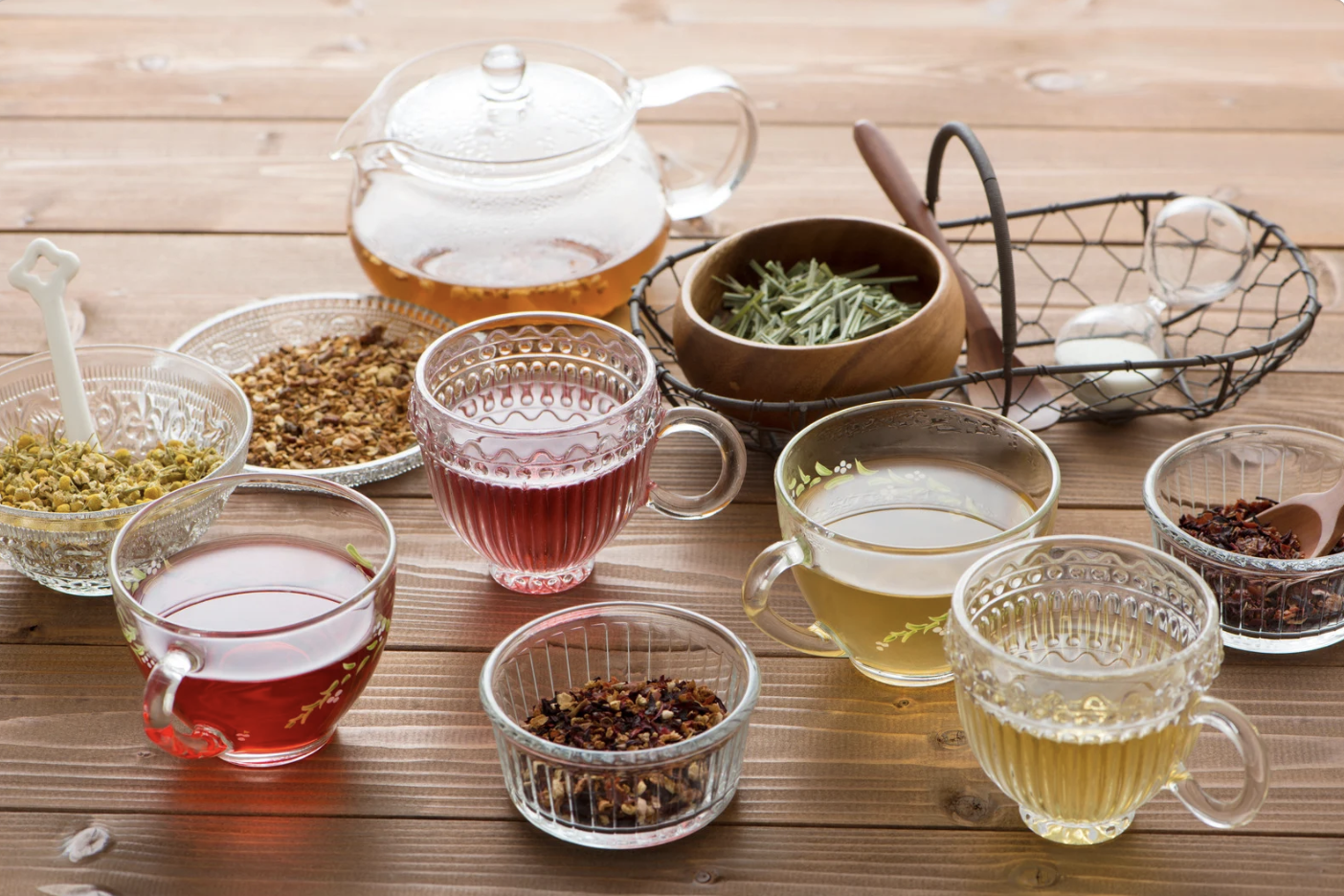
DIY Herbal Tea Blends to Try
1. Calm & Clarity Blend – For easing stress and mental fatigue
Chamomile flowers: relax the nervous system
Lemon balm leaves: uplift mood and calm anxiety
Lavender buds: reduce stress hormones and improve sleep
Use the flowers and leaves, steep 10 minutes and breathe deeply as you sip.
2. Digest & Soothe Blend – For after meals or digestive upset
Peppermint leaves: reduce bloating and support digestion
Ginger root (sliced): warms and soothes the gut
Fennel seeds: ease gas and muscle tension in the stomach
Use the leaves, roots and seeds; simmer gently for 10 minutes for a full-bodied infusion.
3. Immunity & Renewal Blend – For cold season or low energy
Echinacea petals and root: boost immune response
Rose hips: provide vitamin C and antioxidants
Thyme leaves: antimicrobial and respiratory support
Use the petals, leaves and roots; steep 15 minutes for a strengthening, slightly earthy brew.
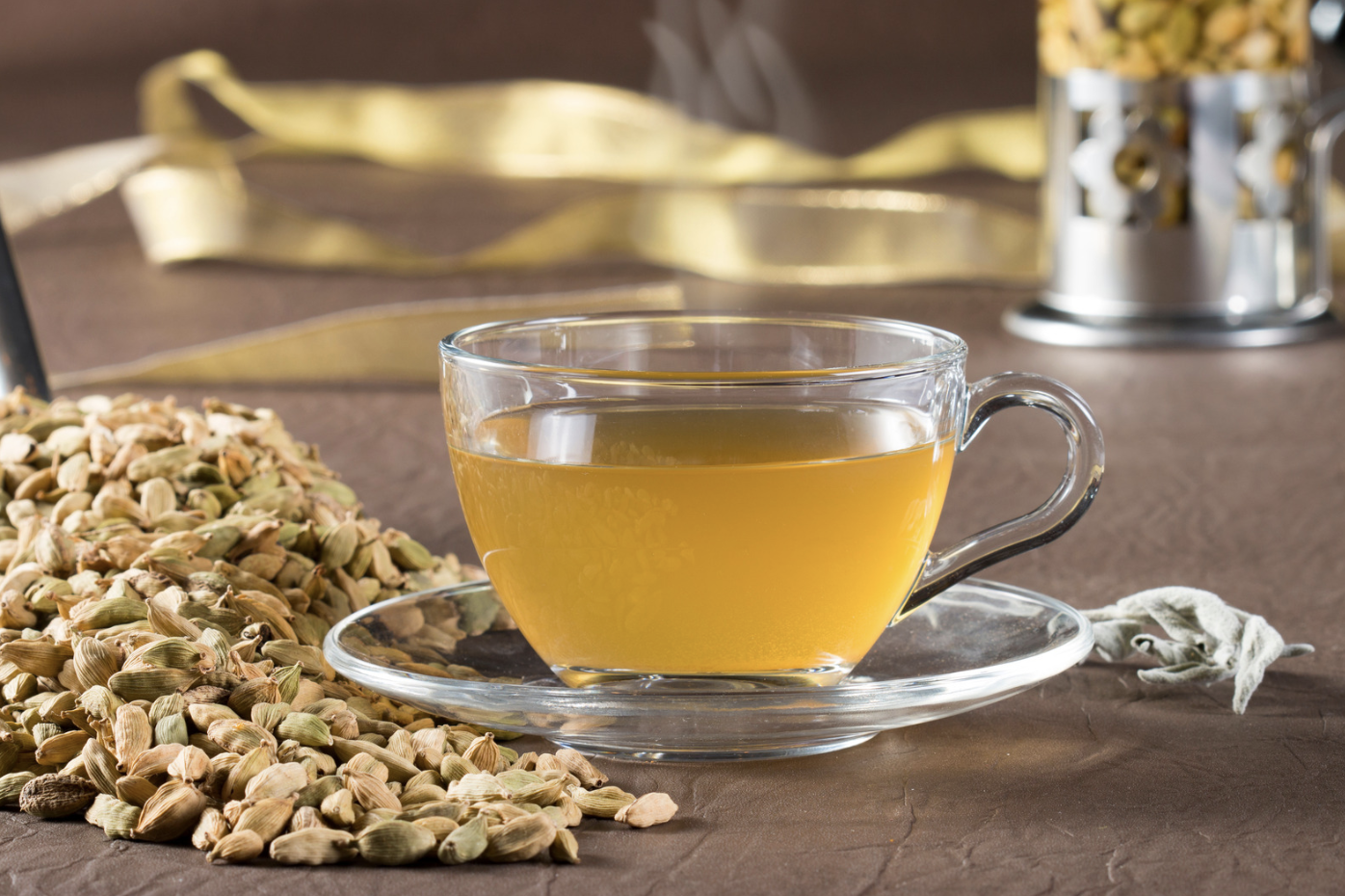
Brewing Tips: Leaves vs Roots
While the DIY recipes above are super easy to try, teas are usually brewed differently depending on the part of the plant you’re using. Different plant materials release their beneficial compounds at different rates and temperatures. Here’s some additional guidance:
Leaves, petals and delicate aerial parts (like chamomile, mint, lemon balm, calendula,or lavender) should be steeped, not boiled. Pour hot water (just off the boil) over the herbs, cover and let them sit for 10–15 minutes. This preserves their aroma and the volatile oils that make them calming and fragrant.
Roots, bark and tougher plant materials (like ginger, echinacea root, dandelion root, licorice root or cinnamon sticks) need more coaxing. For these, make a decoction — simmer the herbs gently in water for 10–20 minutes, then strain. The heat helps draw out minerals and deeper-acting compounds.
Blends that include both can be done in two steps: first simmer the roots. Then remove from heat, add the leaves or flowers and let them steep as the mixture cools slightly.
The Art of Bath Teas
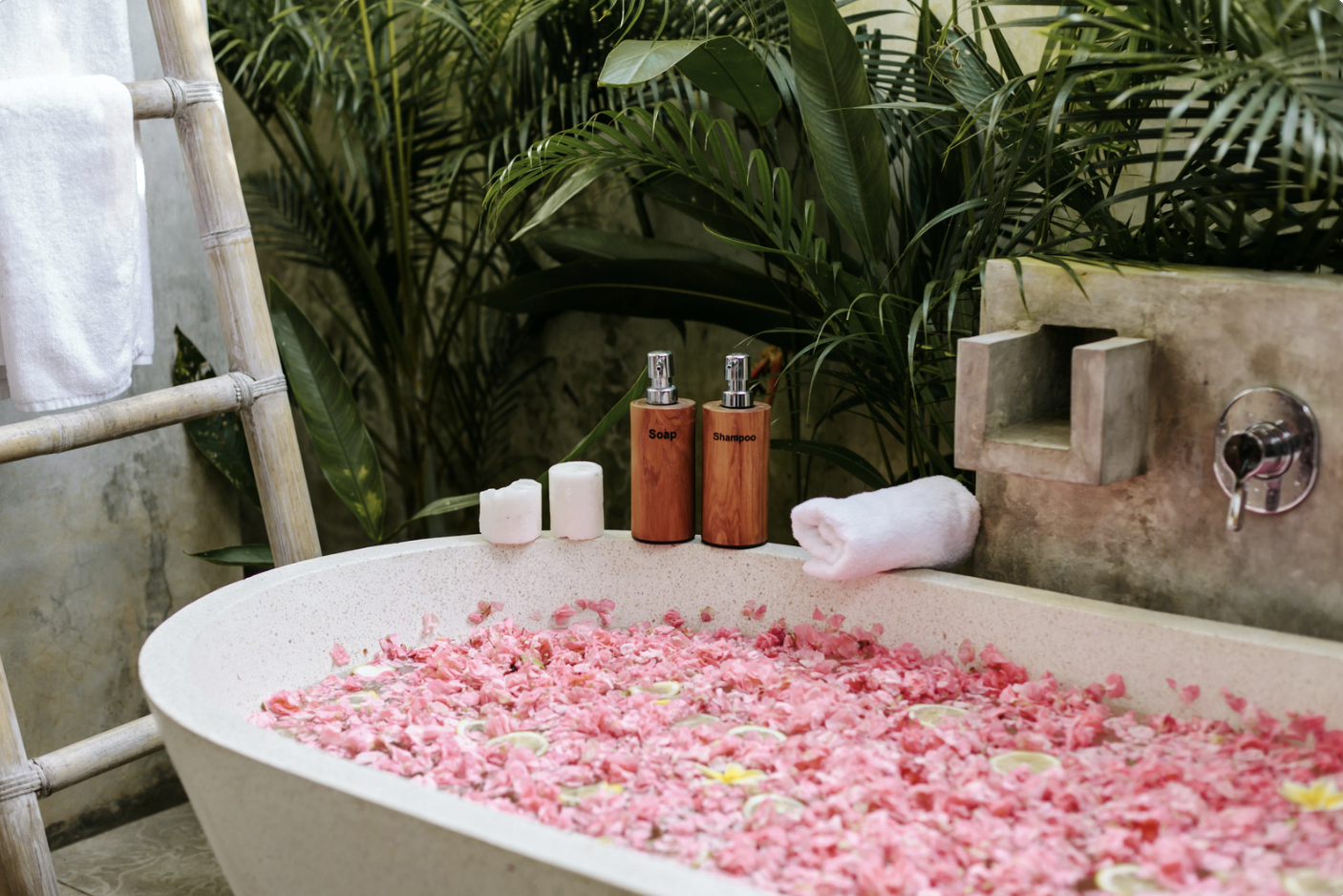
Then there’s bath teas. Bath teas turn an ordinary soak into a sensory spa. They work much like drinking teas — warm water releases the healing properties and aromatic compounds of the herbs, allowing your skin (your body’s largest organ) to absorb them gently. Simply place ¼–½ cup of herbs into a muslin bag or large tea infuser, tie it closed and let it float in the tub as it fills. You can also hang it under the faucet so the water runs through it.
Here are a few of my favorite herbal bath blends:
Relax & Restore: lavender buds, chamomile flowers and rose petals — soothe the nervous system, calm the skin, and melt away tension.
Muscle Relief: rosemary leaves, peppermint and Epsom salt — invigorate circulation, reduce soreness and refresh tired muscles.
Skin Soother: calendula petals, oats and chamomile — reduce redness, itchiness and inflammation while softening skin.
Detox & Clarity: sage leaves, thyme and lemon peel — gently stimulate circulation and support natural detoxification.
Each combination turns warm water into therapy — easing both the body and the mind.
Rooted in Ritual
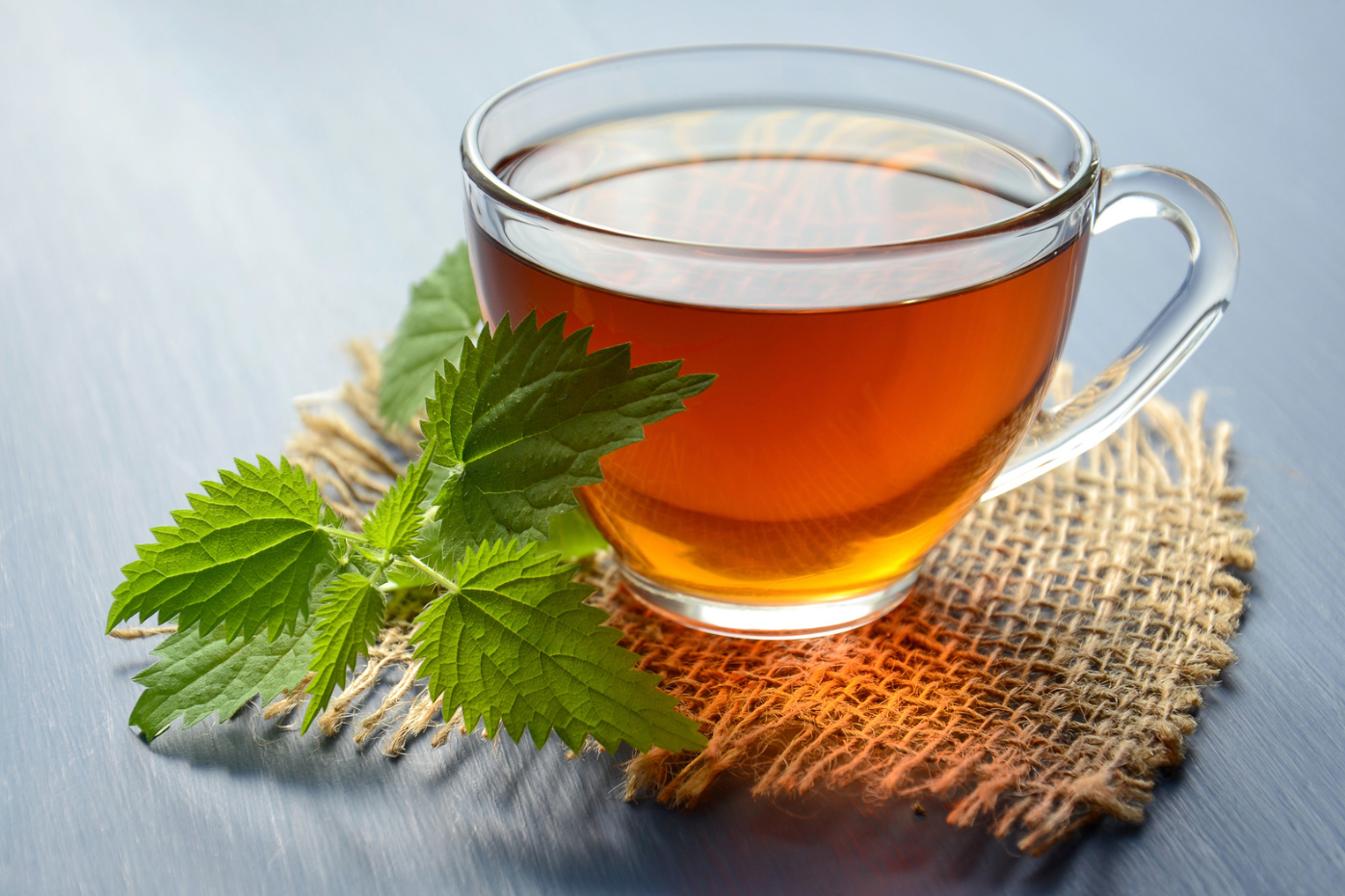
Herbal teas, whether sipped or soaked in, remind us to slow down. They’re not quick fixes; they’re quiet ones. Each leaf, root or petal carries the plant’s resilience — its way of protecting and restoring itself — and shares that gift with us.
So the next time life feels overwhelming, start the kettle or draw a bath. Let the steam rise, inhale the earth and flowers, and remember — nature’s most powerful medicine has always been the simplest.