There’s a quiet kind of magic that happens in the kitchen when simple ingredients transform into something layered and memorable. It’s not about complicated recipes or professional techniques—it’s about understanding how flavor works. The most delicious dishes often come from tiny touches: a splash of infused oil, a whisper of citrus zest, the warm bloom of toasted spices. These small, intentional choices turn everyday cooking into something vibrant and deeply satisfying. And the best part? They’re completely accessible to home cooks. With just a handful of fresh herbs, a bit of citrus, and a few pantry staples, you can build rich, nuanced flavor without adding fuss or time to your routine.
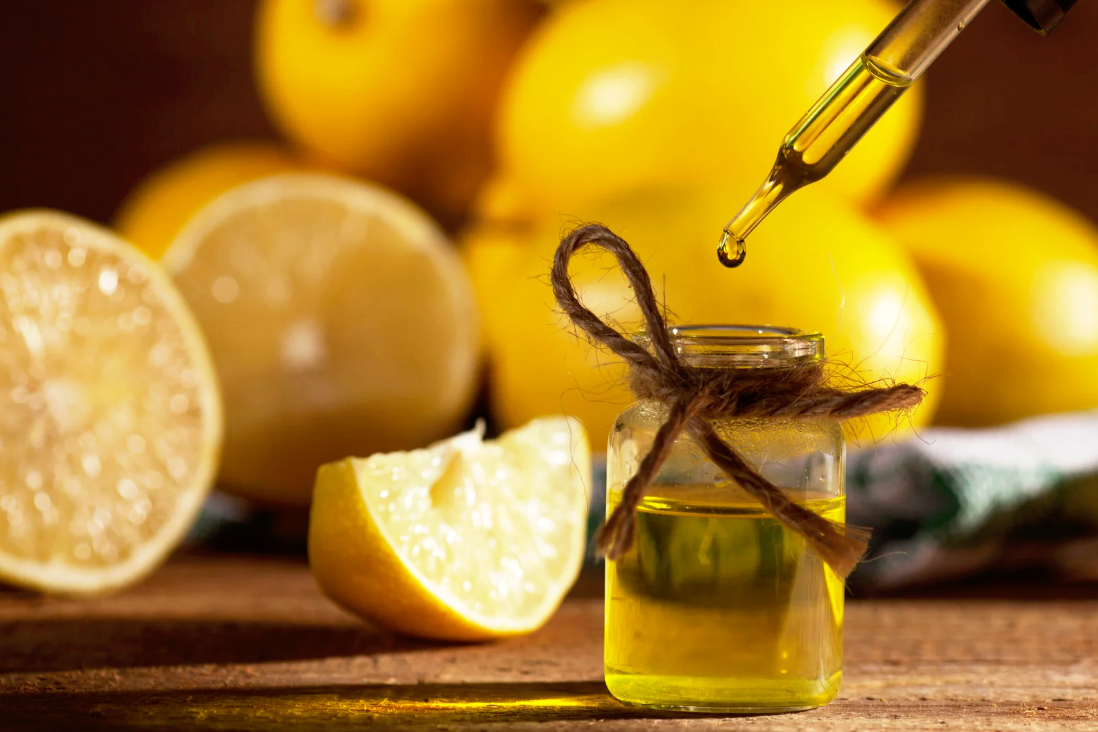
Science tells us that taste is just the beginning—flavor is a multisensory experience shaped by aroma, texture, temperature, and even memory. Aromatics like herbs, citrus oils, and spices stimulate volatile compounds that interact with our olfactory receptors, which is why a lemon’s bright scent can “lift” a dish before you ever take a bite. When you understand these natural behaviors, you can use them intentionally, elevating your cooking with minimal effort. These six flavor boosters aren’t tricks—they’re simple sensory tools used by cooks around the world to make food taste more alive.
1. Herb-Infused Oils & Vinegars
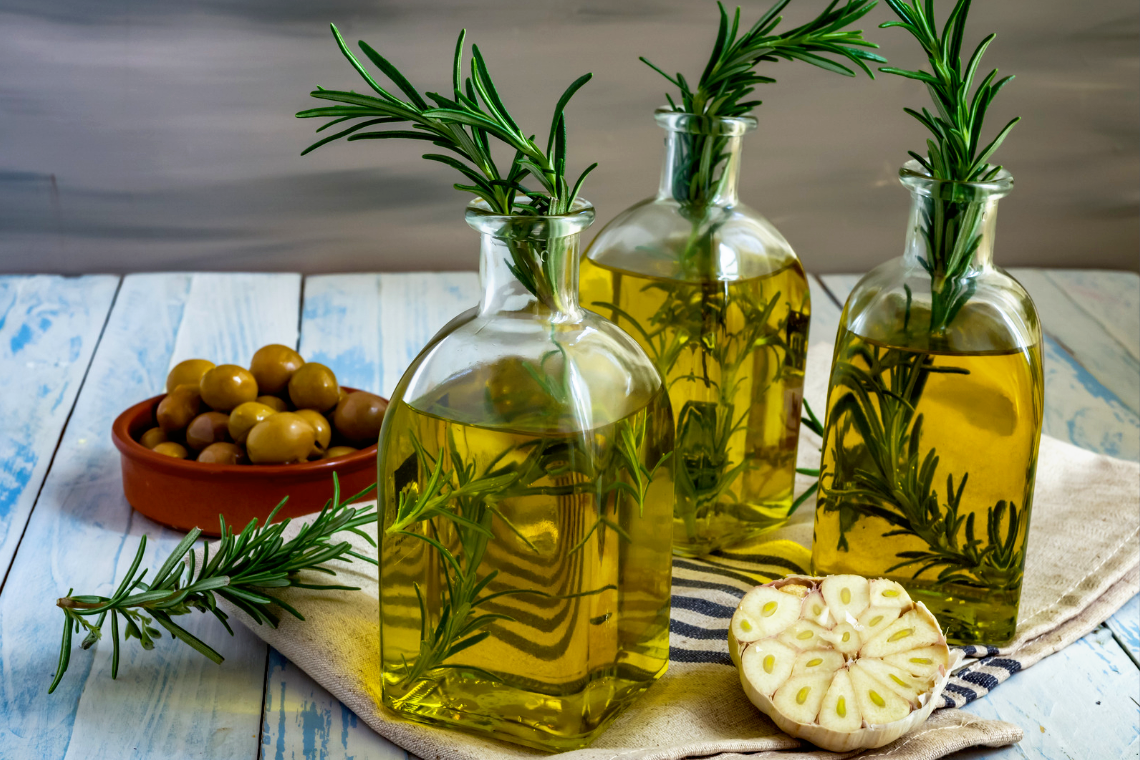
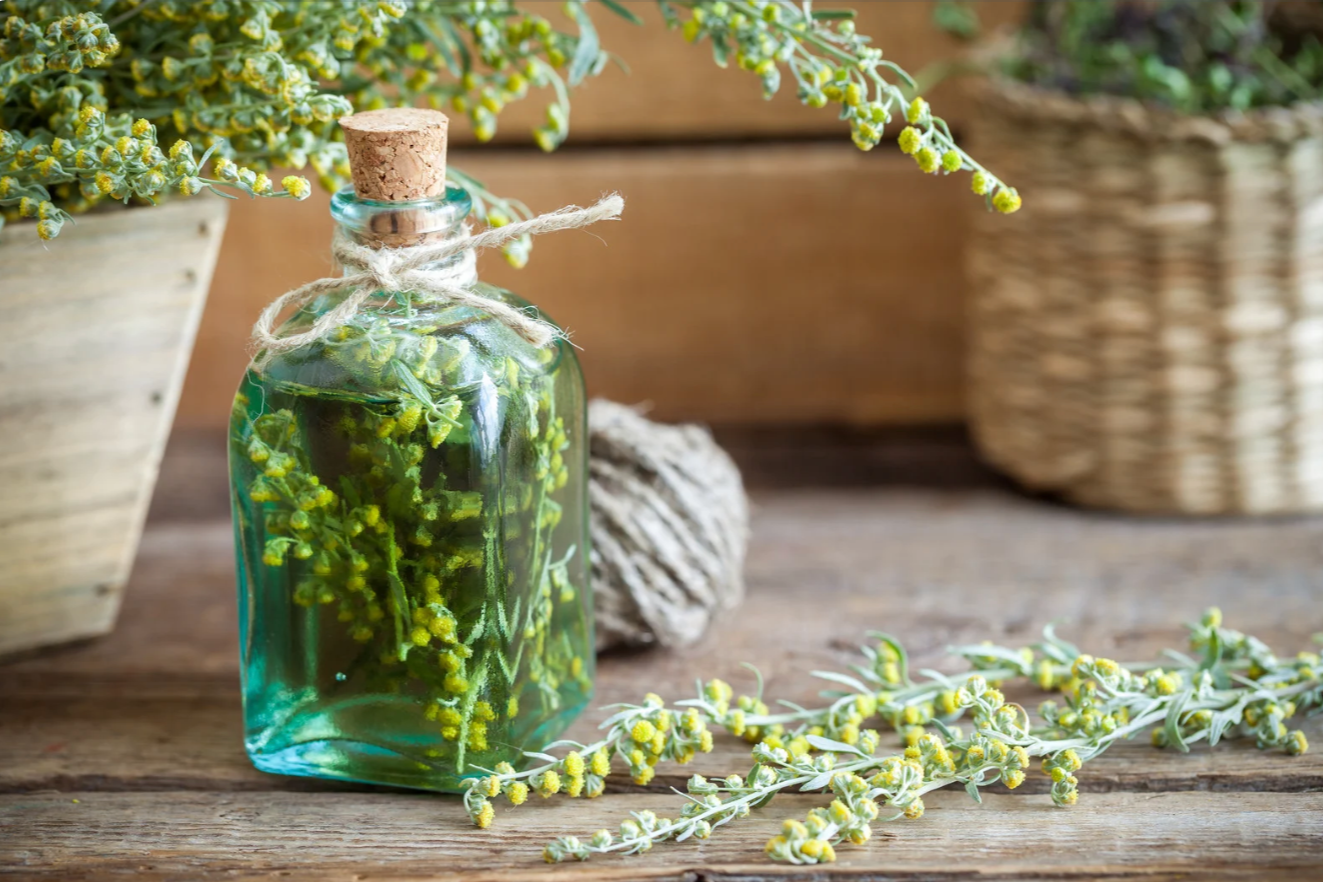
Infusing a neutral oil or light vinegar with fresh herbs is one of the easiest ways to add fragrance and depth to salads, roasted vegetables, soups, and even baked goods. When herbs sit in oil, their fat-soluble compounds—like the eugenol in basil or the rosmarinic acid in rosemary—slowly release into the liquid, creating a concentrated aromatic base. Drizzle rosemary-infused olive oil over roasted potatoes or use chive vinegar as a gentle finishing splash on greens. The flavor is delicate but persistent, offering lift without overpowering the dish.
2. Citrus Zesting & Citrus-Herb Pairings
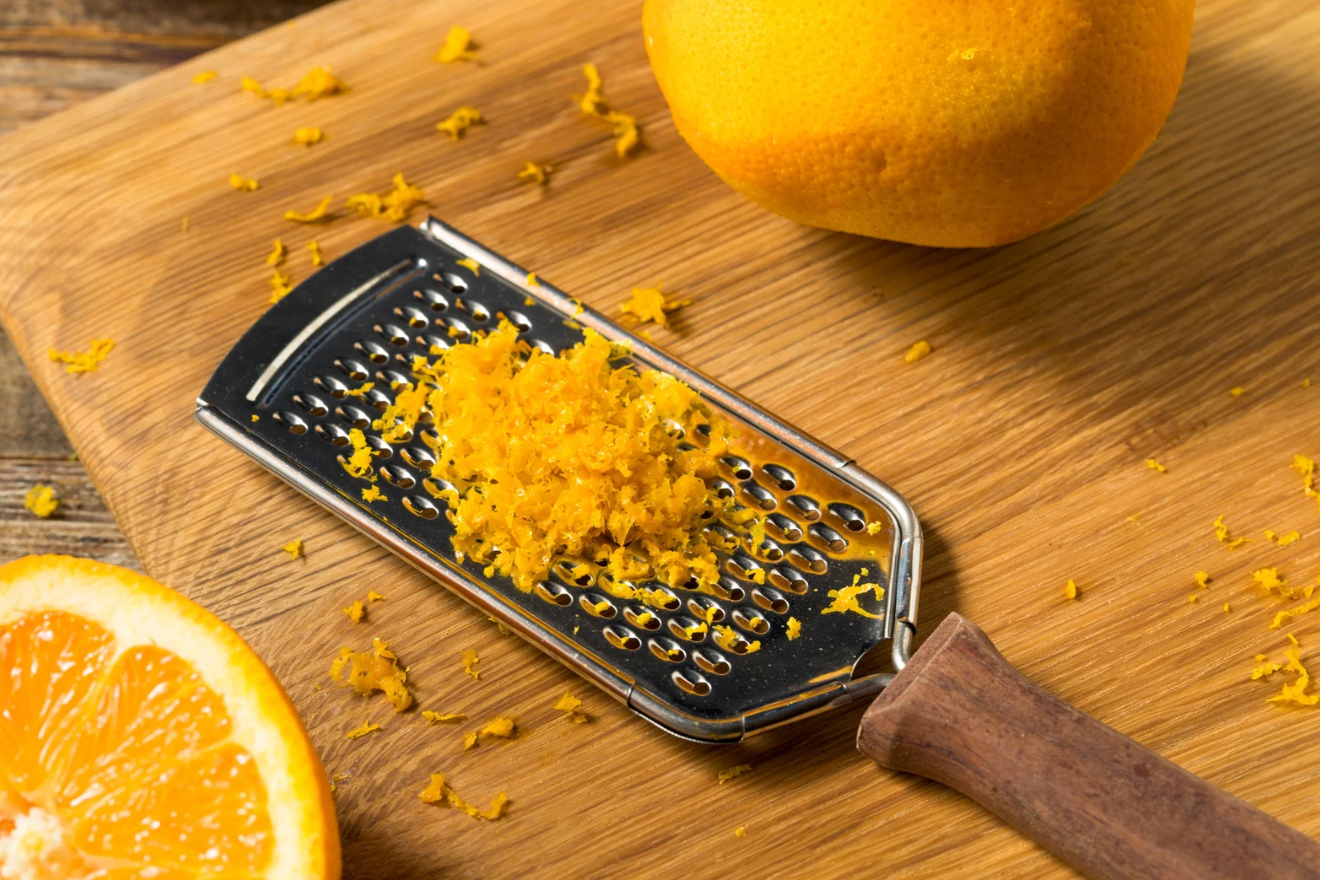
Zest is where the real flavor lives. The colorful outer layer of citrus contains essential oils rich in limonene and other aromatics that awaken the palate instantly. A sprinkle of zest adds brightness to both savory and sweet dishes, but pairing citrus with herbs creates a one-two punch of freshness. Think lemon + basil, lime + cilantro, orange + rosemary, or grapefruit + mint. These combinations work because their aromatic compounds complement each other—zesty, cooling, herbal, floral—enhancing complexity in a way simple juice never can.
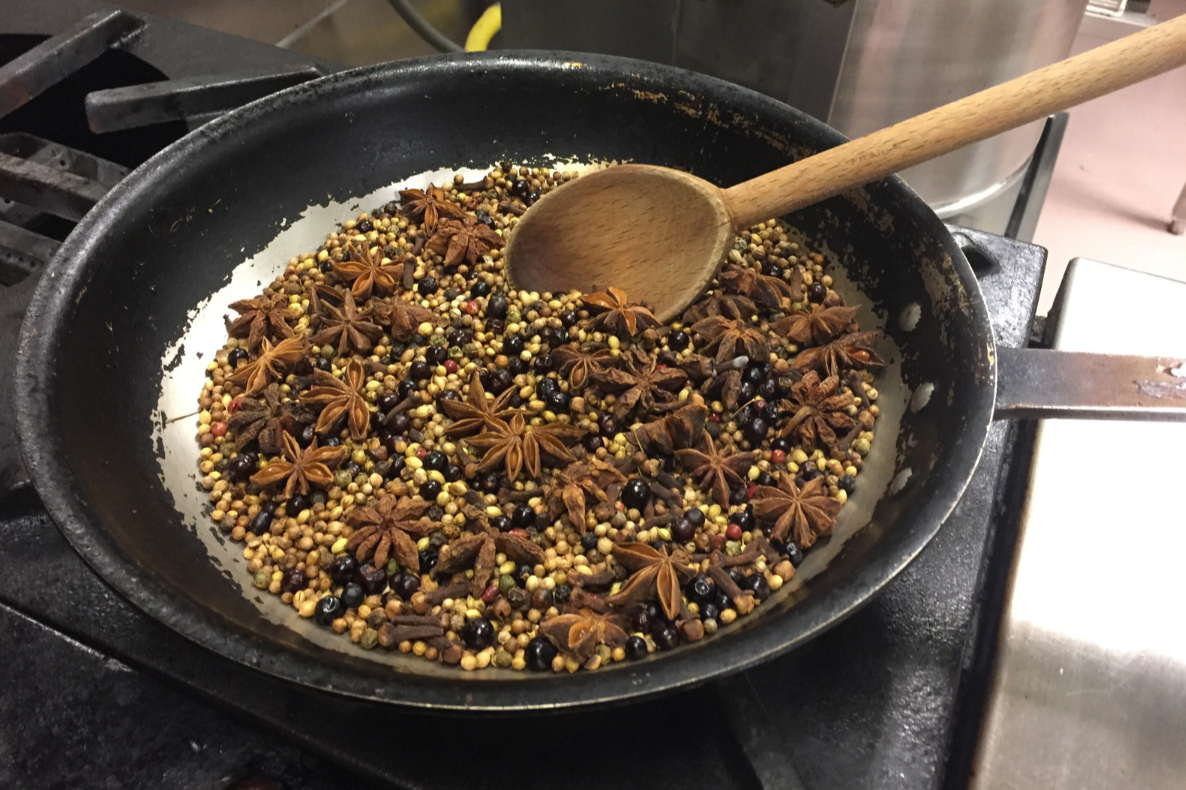
3. Toasting Spices
Dry toasting spices wakes them up. Heat causes their natural oils to warm and release, drastically expanding aroma and altering flavor. Coriander becomes nuttier, cumin deepens, cardamom blooms floral notes you wouldn’t taste otherwise. This process—used in cuisines from India to Morocco—creates a more expressive version of the spice. Toast them whole for maximum impact, grind if desired, and add them at the beginning of cooking to let the flavor open fully.
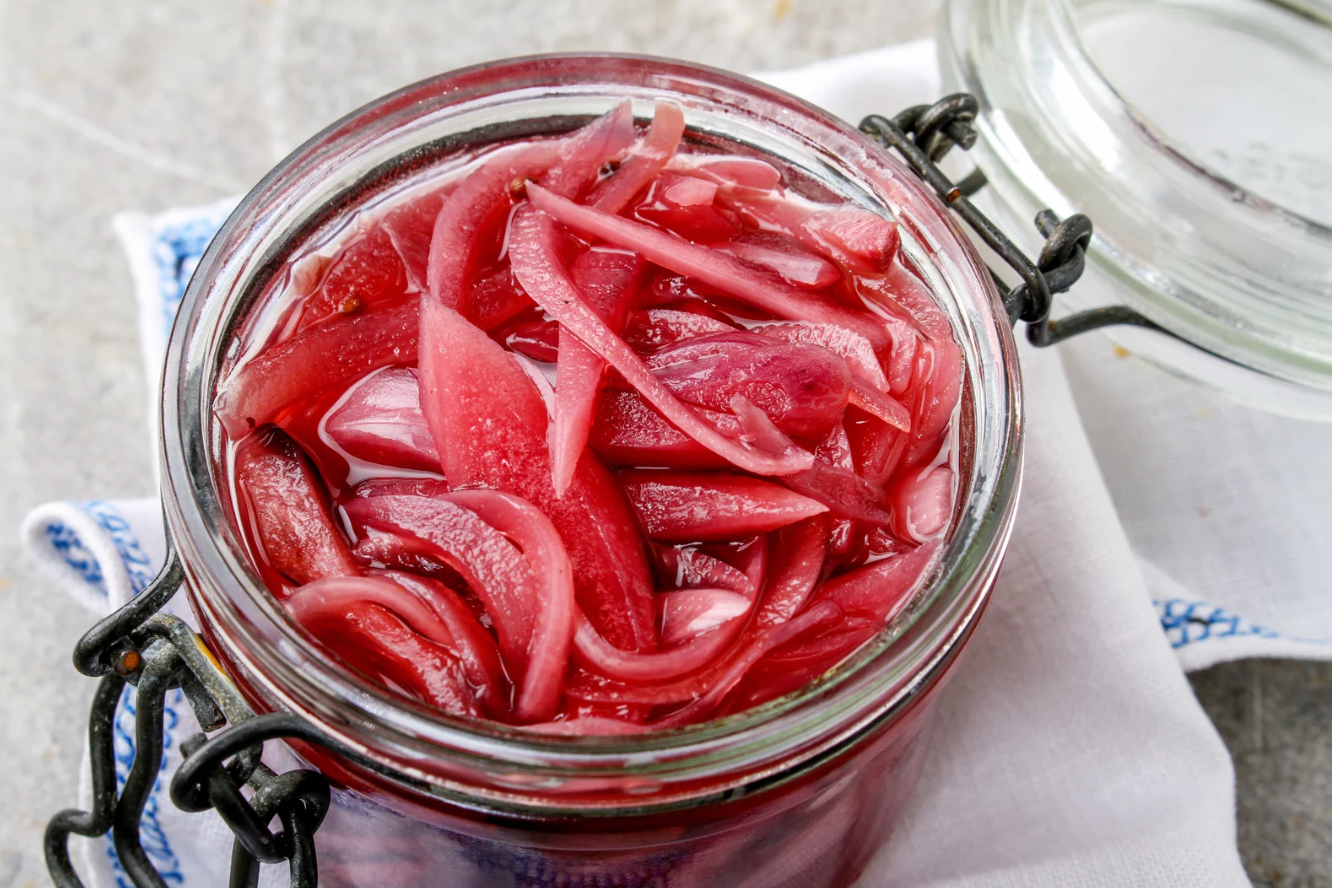
4. Quick-Pickled Red Onions
A humble red onion becomes something entirely different with a quick brine. Pickling softens the sharpness and introduces acidity—one of the fundamental flavor builders. Acidity cuts richness, balances sweetness, and wakes up dull flavors, which is why chefs rely on pickled vegetables as a finishing touch rather than just a condiment. Quick-pickled onions bring crunch, brightness, and color to tacos, grain bowls, salads, or roasted meats. They’re simple, fast, and endlessly customizable with herbs, spices, or citrus peel.
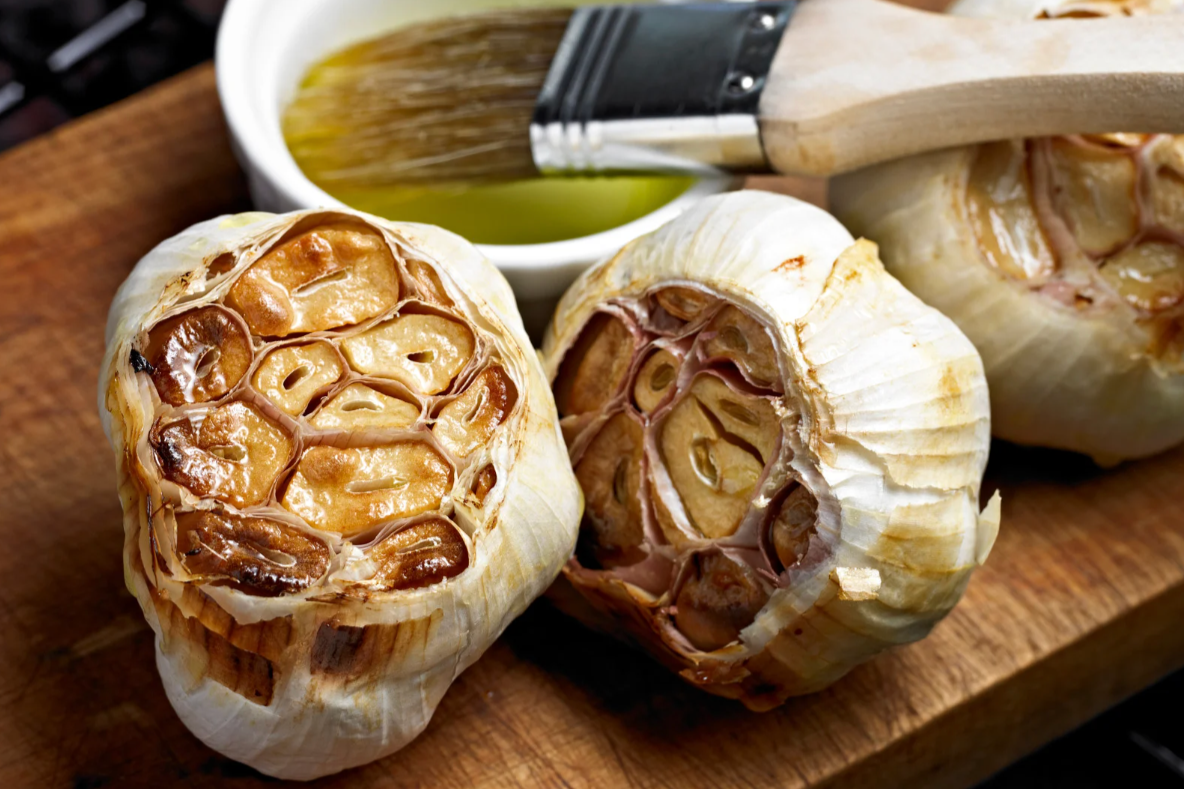
5. Garlic Two Ways: Roasted vs. Raw
Garlic contains sulfur compounds that behave differently depending on how the garlic is treated. Raw garlic is sharp, pungent, and assertive—perfect for dressings, sauces, and dips. Roasted garlic, on the other hand, becomes caramelized and sweet as its allicin breaks down, developing mellow, nutty complexity. When you understand this dual nature, you can use garlic intentionally: raw for brightness, roasted for richness. Layer them together for unforgettable depth.
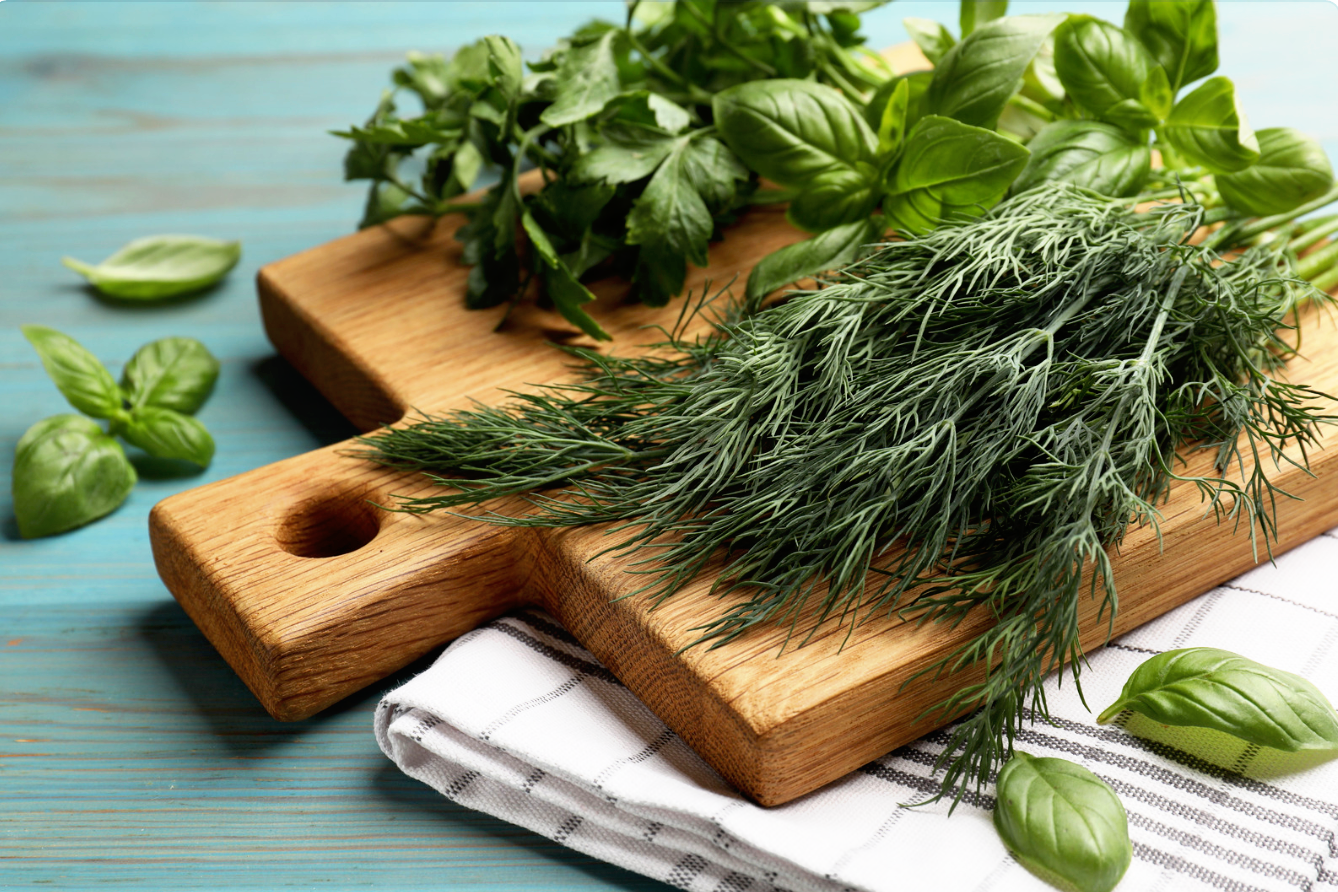
6. Fresh Herb Finishing
Adding herbs at the end of cooking is one of the most transformative techniques available. Fresh herbs contain delicate aromatic compounds that dissipate quickly under heat. When added just before serving—sprinkled over roasted vegetables, stirred into soups, or tossed into warm grains—they release a final breath of fragrance. Parsley adds freshness; dill brings lightness; mint introduces cool contrast; basil adds sweetness and floral notes. This final flourish pulls everything together, giving dishes vitality and color.
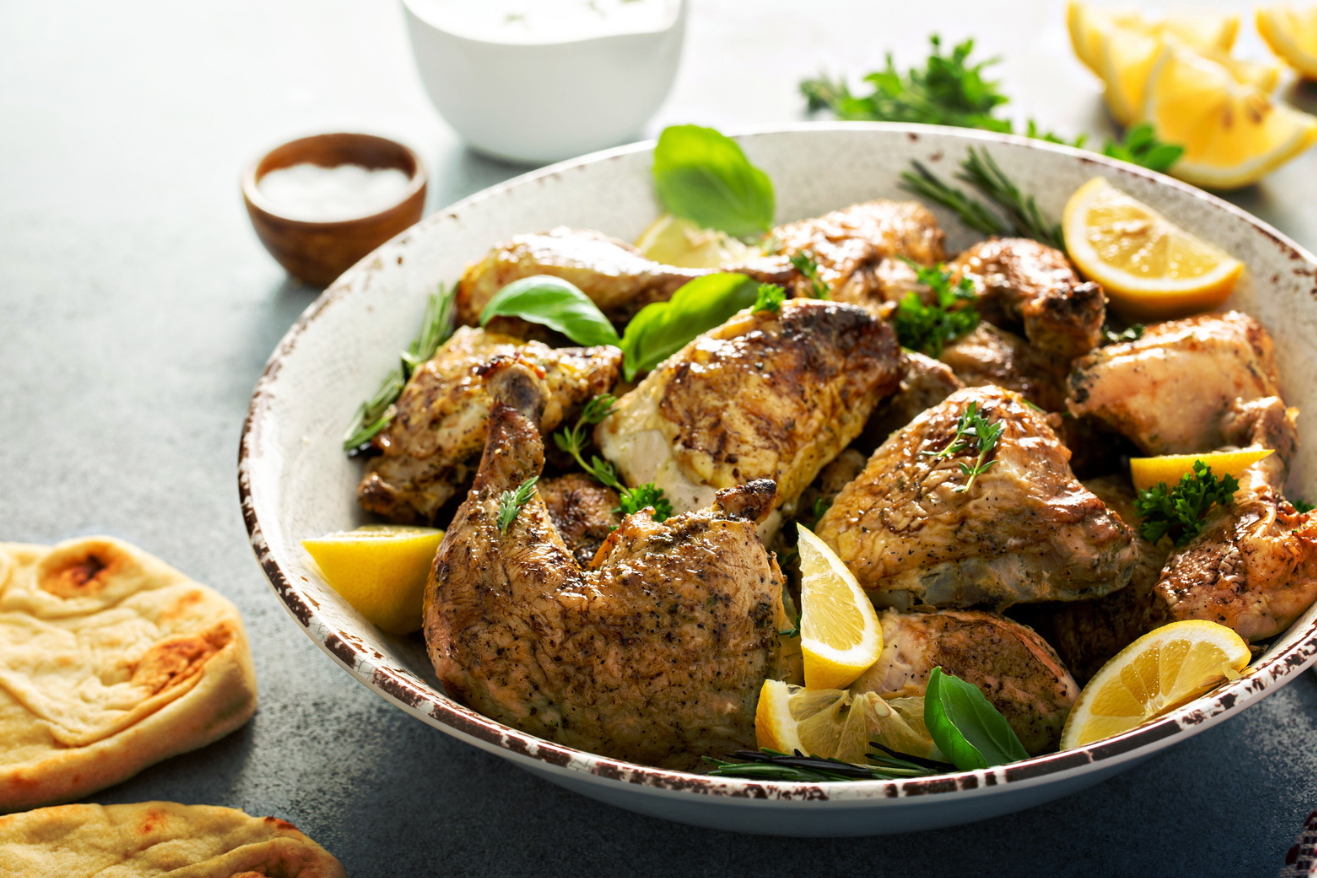
Mastering flavor doesn’t require formal training—it simply requires paying attention to what nature is offering. Herbs, citrus, spices, garlic, and bright acidic elements are not just ingredients; they’re the building blocks of sensory pleasure. When you learn how to use them thoughtfully, your cooking becomes more intuitive, more delicious, and more reflective of your own style. These six flavor boosters are an invitation to experiment, to explore, and to savor the small details that make food memorable.