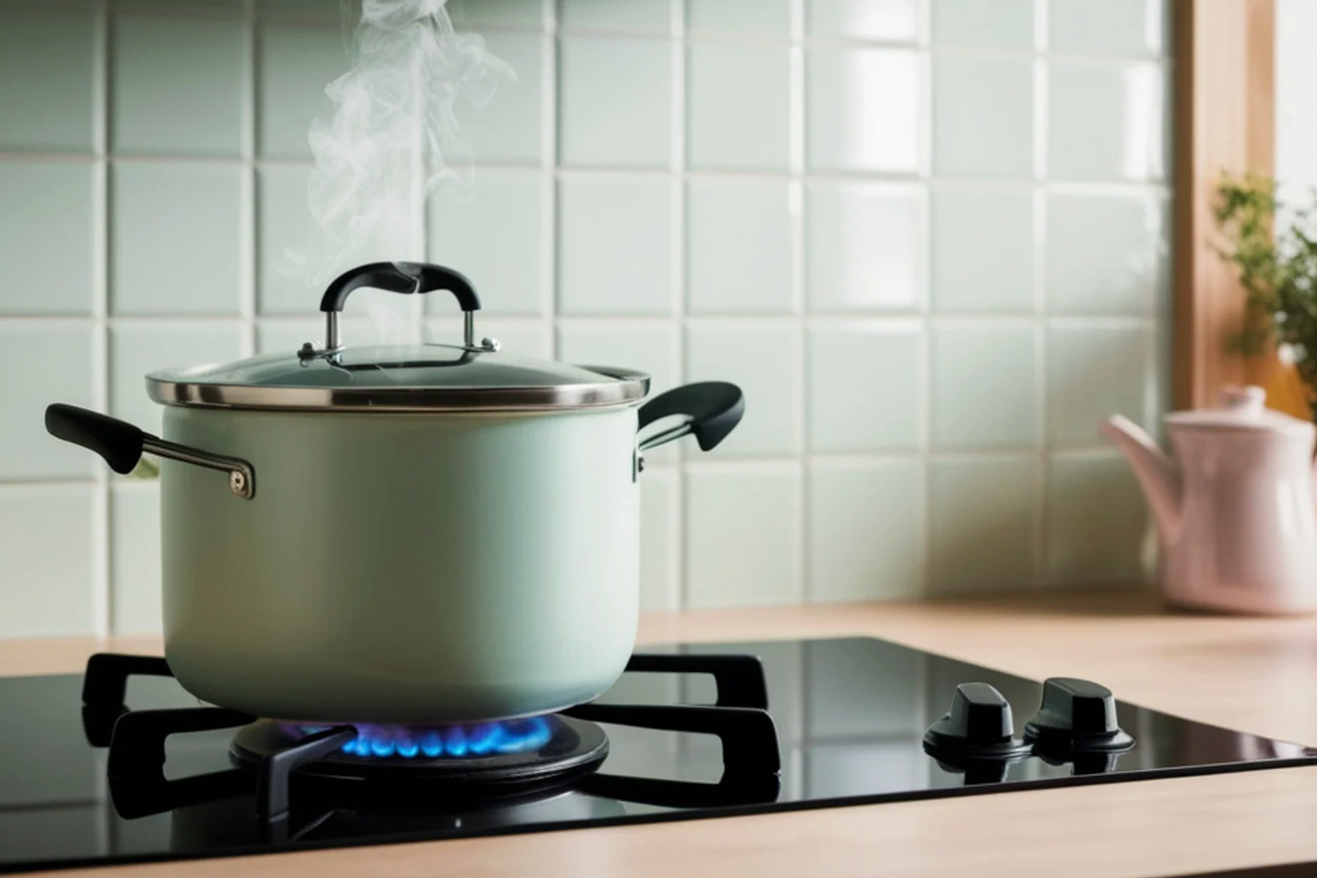
There’s a quiet kind of cooking that rarely makes headlines. It doesn’t involve elaborate techniques or a long list of ingredients. Instead, it begins with something ordinary: a pot warming on the stove, a wooden spoon resting at the ready, and a few simple ingredients waiting to transform under slow, steady heat. This is the new kitchen calm — a return to cooking as a grounding ritual, a way to soften the day’s edges before they ever have a chance to harden.
Slow heat has a way of reorganizing us from the inside out. Ask anyone who has ever stood over a gently simmering broth: the steam rises, the aroma deepens, and suddenly your shoulders drop without your permission. Something shifts. The nervous system understands what the mind often forgets — that warmth brings us back to ourselves. In a world that moves quickly, the practice of slow cooking becomes a small act of rebellion, or maybe just a small act of remembering.
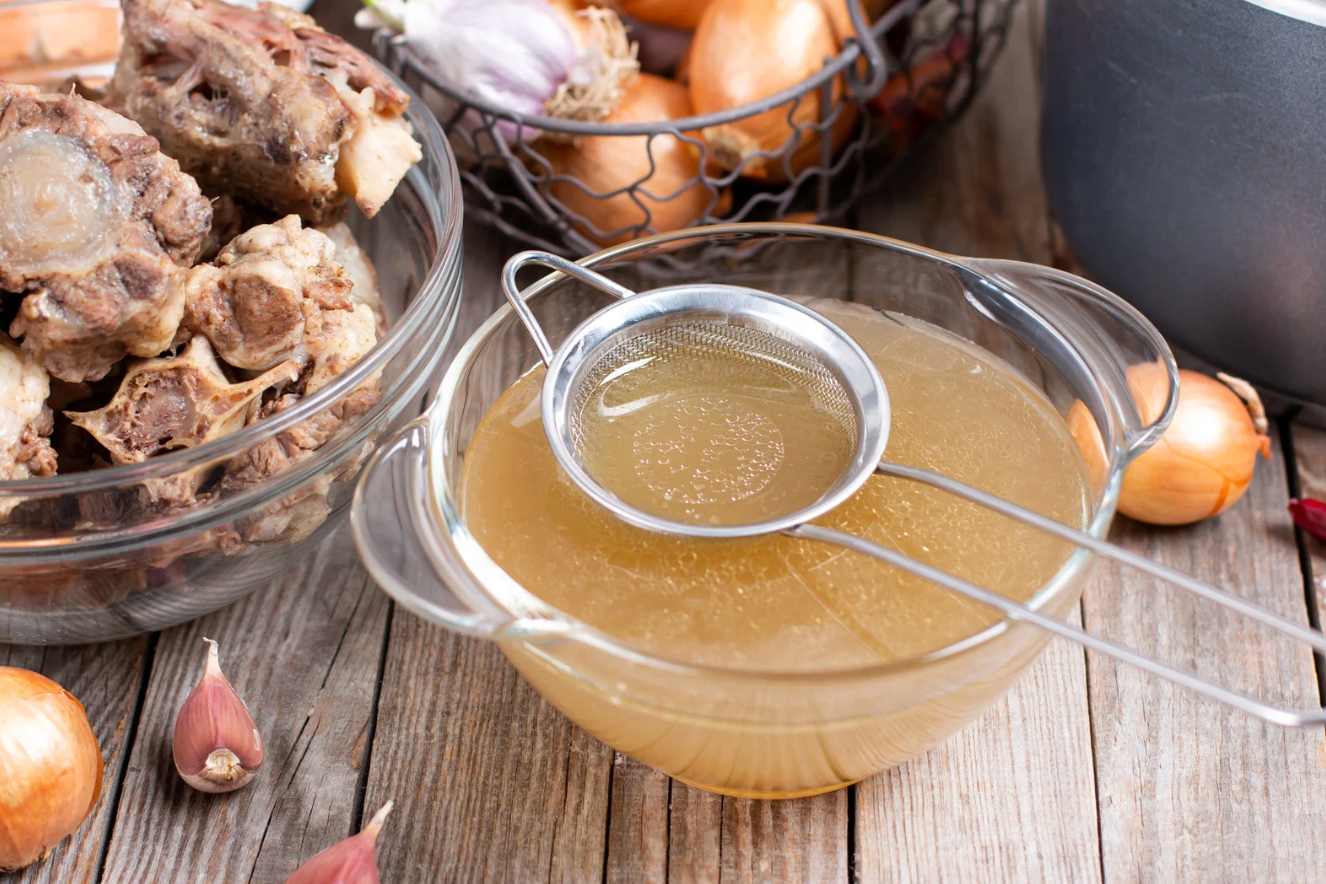
Many people think broth is simply food, but those who make it know better. A morning pot of broth — even a small one — can feel like meditation. The rhythm is quiet and instinctive: cover bones or vegetables with water, add herbs or aromatics, turn the heat low, and let time do most of the work. There’s no rush, no pressure, no timer dictating your attention. You’re simply creating something nourishing while being nourished by the process. If you’ve ever wished you could start your day more gently, this is one way to do it: slow heat, slow breath, slow transformation.
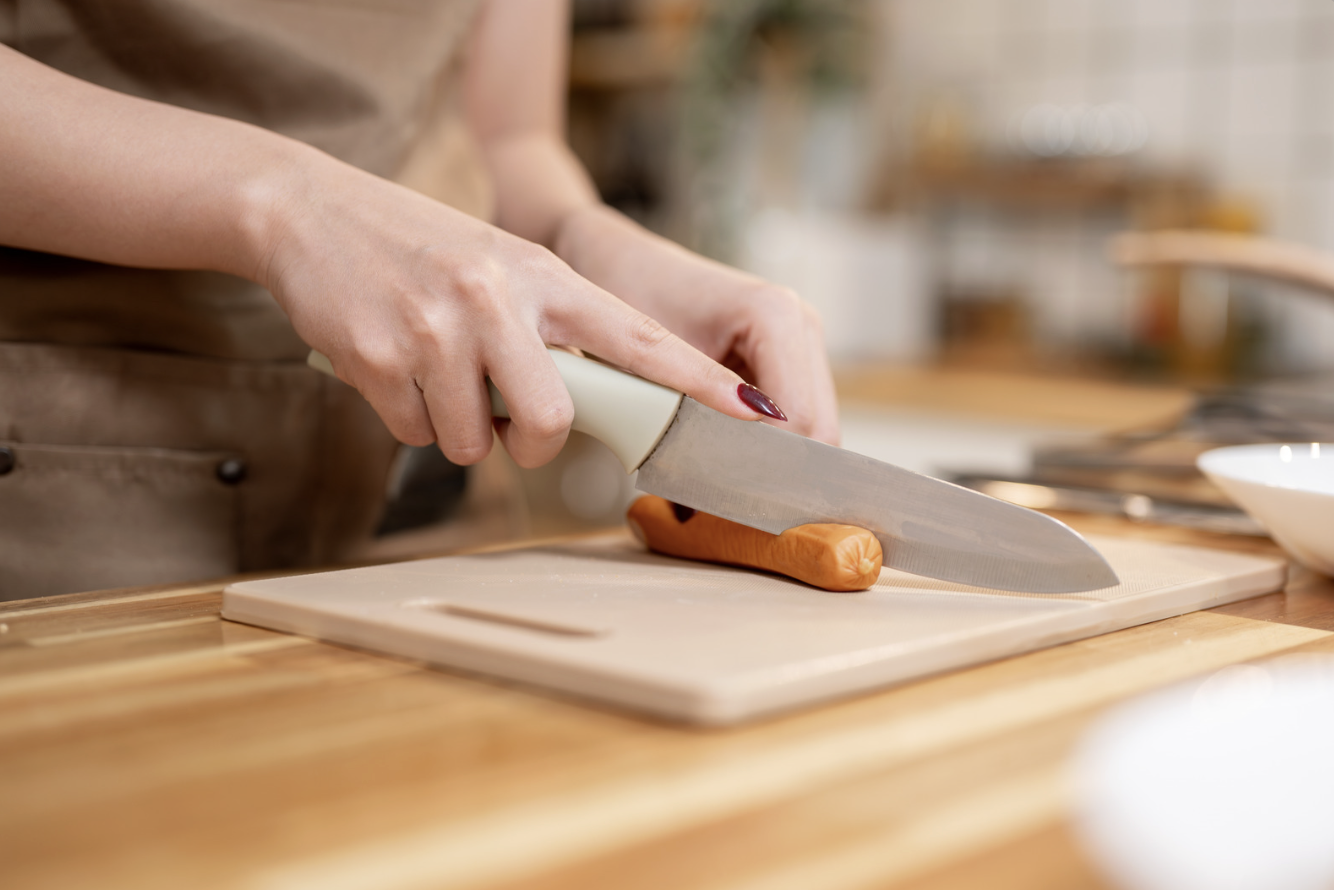
Then there’s the therapy of the knife — not the frantic, hurried chopping most of us learned out of necessity, but the mindful kind. The repetitive motion of slicing carrots into coins, the sound of onions hitting the board, the scent of herbs releasing their oils when torn by hand — these simple actions pull you into the present moment. Cooking in this way becomes sensory grounding: you feel the work in your hands, your breath steadies, your thoughts quiet. It doesn’t require perfection or skill. It only requires presence.

Gentle heat also happens to be kinder to your digestion. Warm foods — simmered soups, stews, porridges, roasted vegetables — ask less of the digestive system than cold, raw meals. They support circulation, ease tension in the gut, and help the body shift into a parasympathetic (rest-and-digest) state. For anyone dealing with stress, overwhelm, or chronic inflammation, the practice of eating warm, slow-cooked meals can feel like its own kind of therapy. Not a fix, but a foundation.
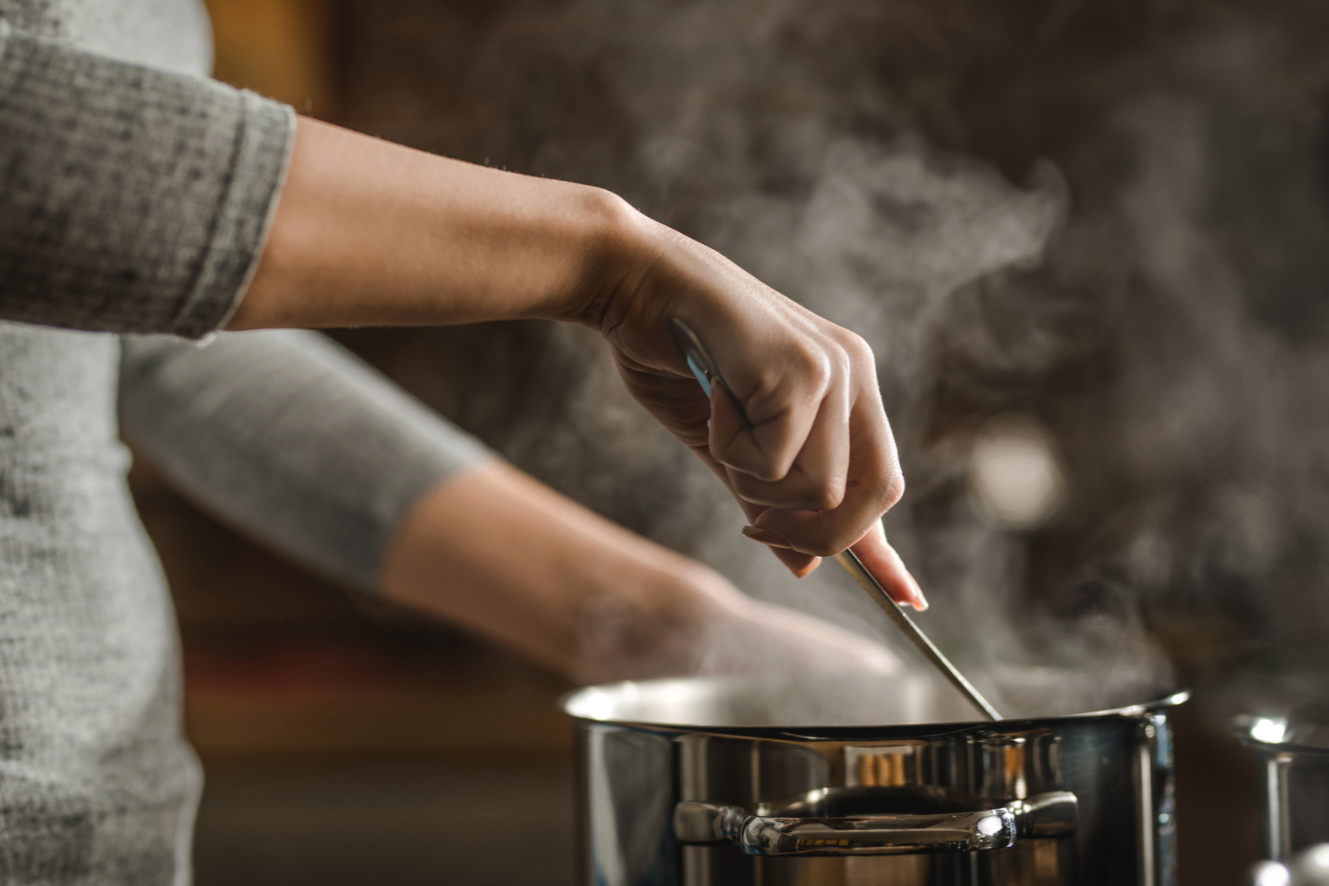
To reframe cooking as rhythm rather than obligation, we have to step away from the idea of meals as tasks. Instead, we can think of them as rituals — touchpoints that anchor the day. Stirring a pot becomes a pause. Tasting becomes a check-in. Setting water to simmer becomes the promise of something comforting, even before it’s finished. This shift doesn’t require hours in the kitchen; it just requires intention. Even a few minutes of mindful cooking can soften the pace of the entire day.

Seasonal attunement plays a role, too. In cooler months, slow heat feels intuitive: simmering broths, long-cooked beans, herbal infusions, pots that stay warm on the back burner. In spring, the ritual might shift to steaming tender vegetables or simmering citrus syrups. In summer, slow heat becomes grilling at dusk or letting tomatoes collapse into sauce. The ritual changes with the light, the temperature, the ingredients — but the grounding remains the same.

We often think calm is something we have to find elsewhere — in meditation apps, long walks, or yoga classes. But sometimes, calm is waiting for us right where we already are: in the kitchen, hands on a knife, breath over a pot of something warm and gently bubbling. Slow cooking won’t solve every problem, but it can offer a moment of clarity, a softening, a return to the body. And in a life that asks so much of us, that moment might be the most nourishing ingredient of all.