A Year of Edible Flowers: What to Cook, Preserve & Sip in Every Season
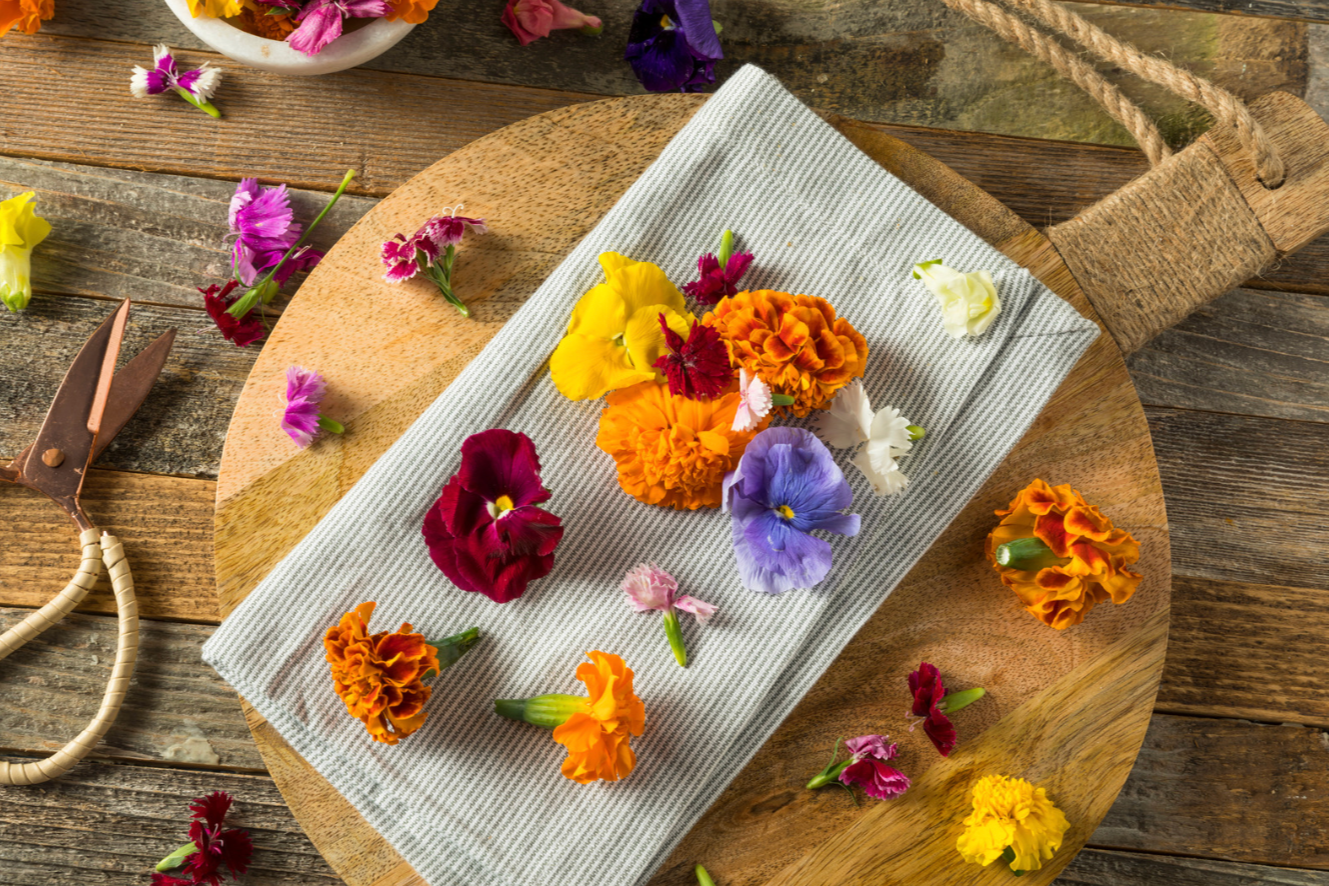
Cooking with edible flowers isn’t just about making things pretty. When used well, flowers add flavor, texture, aroma and even therapeutic properties to everyday food. They can brighten a salad, deepen the flavor of a broth, add gentle bitterness to teas or lift a dessert. And when we follow flowers season by season, we start to understand them the way gardeners and cooks do — not as decorations, but as functional, flavorful ingredients.
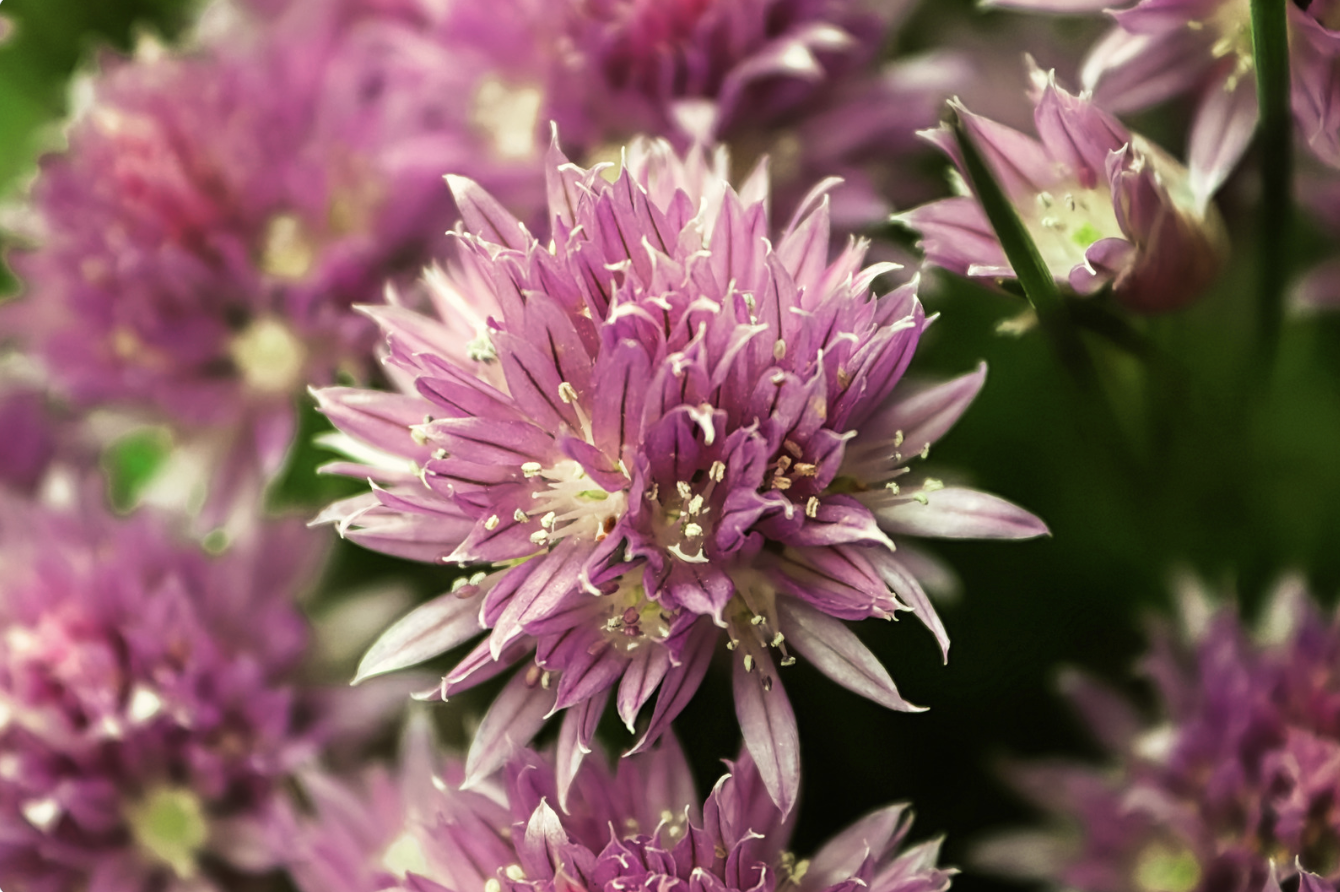
Spring is the first real window into what edible flowers can do. This is when blossoms are tender, mild and best used fresh. Chive blossoms bring a clean allium flavor that’s perfect for compound butter or quick pickles. Violets are rich in antioxidants and make a naturally thick syrup thanks to their gelatinous content. Apple and citrus blossoms offer subtle aromatics that work well infused into honey or vinegar.
Spring is also when we start our edible-flower garden: calendula, chamomile, borage, lavender, nasturtium and edible herbs that we allow to bolt. Growing these plants gives us access to flowers at their freshest and most nutrient-dense stage.
Recipe How-To for Allium Blossom Butter: Add 2 to 3 tablespoons of finely chopped, fresh chive blossoms (or garlic scape blossoms) to 1/2 cup softened butter. Add a pinch of sea salt and mash until the blossoms are evenly distributed. Chill for easy use or freeze for up to 3 months.
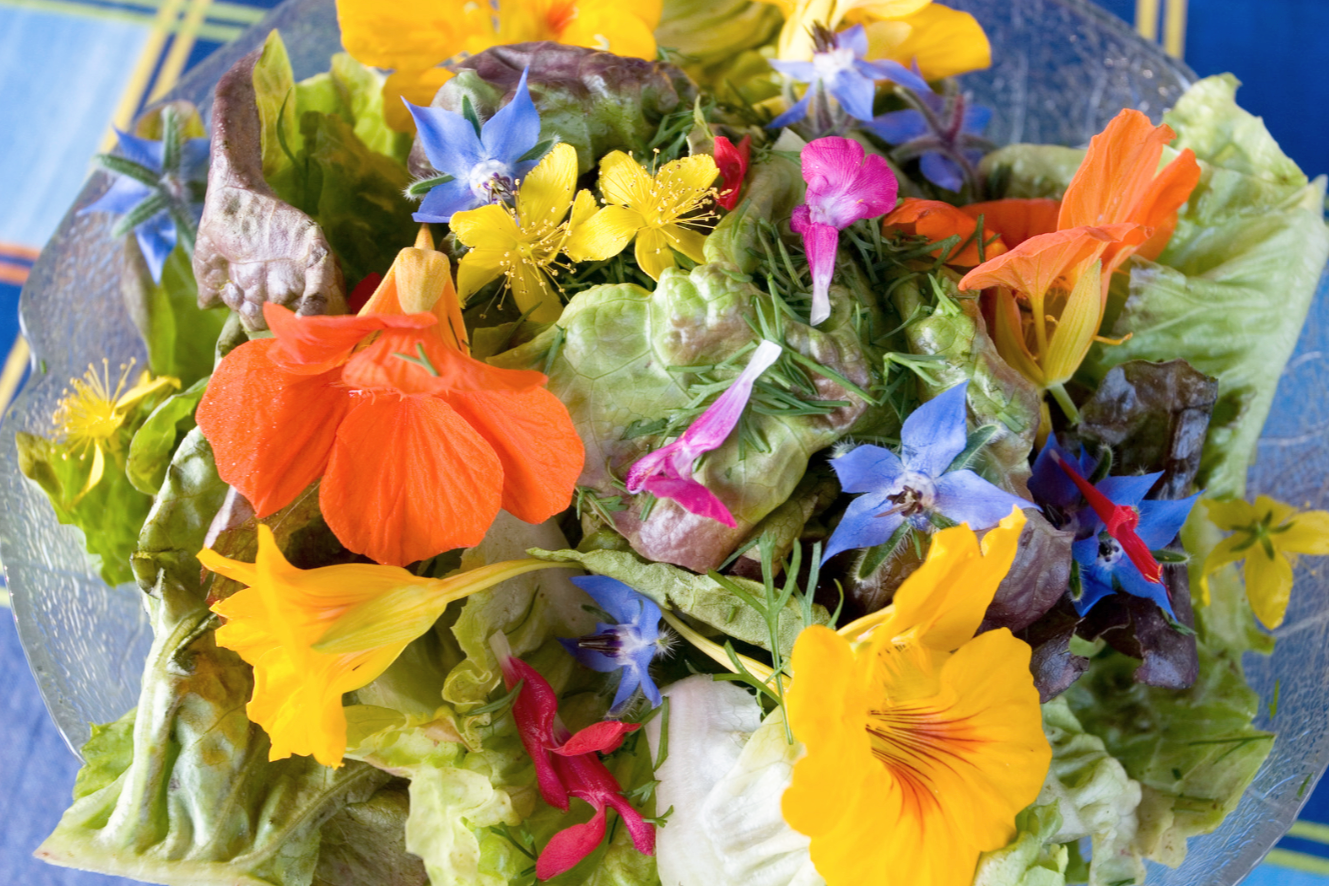
Summer is peak season for flavor and volume. Nasturtiums deliver peppery heat from their natural glucosinolates. Calendula petals contain carotenoids that hold up to heat, making them ideal for broths, teas and oils. Borage flowers bring a light cucumber note that’s excellent in chilled drinks. And chamomile hits its prime, offering naturally calming apigenin — a compound with research-backed benefits for sleep and digestion.
In the kitchen, this is the moment to go beyond garnishes: fold marigold petals into rice, make herb-and-flower pestos, infuse syrups for cocktails or add blossoms to quick breads. Summer is also the time to preserve the surplus so we have flavor to turn to later.
Read Related Posts: Winter Flowers: Creative Ways to Use Edible Blossoms; Borage: The Starflower with Restorative Powers; The Healing Beauty of Edible Flowers; Calendula: Flower Power for Your Face; Hibiscus Flowers: Petals with Purpose; Chamomile: The Calming Herb; and Garden Nasturtiums: Sweet, Peppery & Spicy.
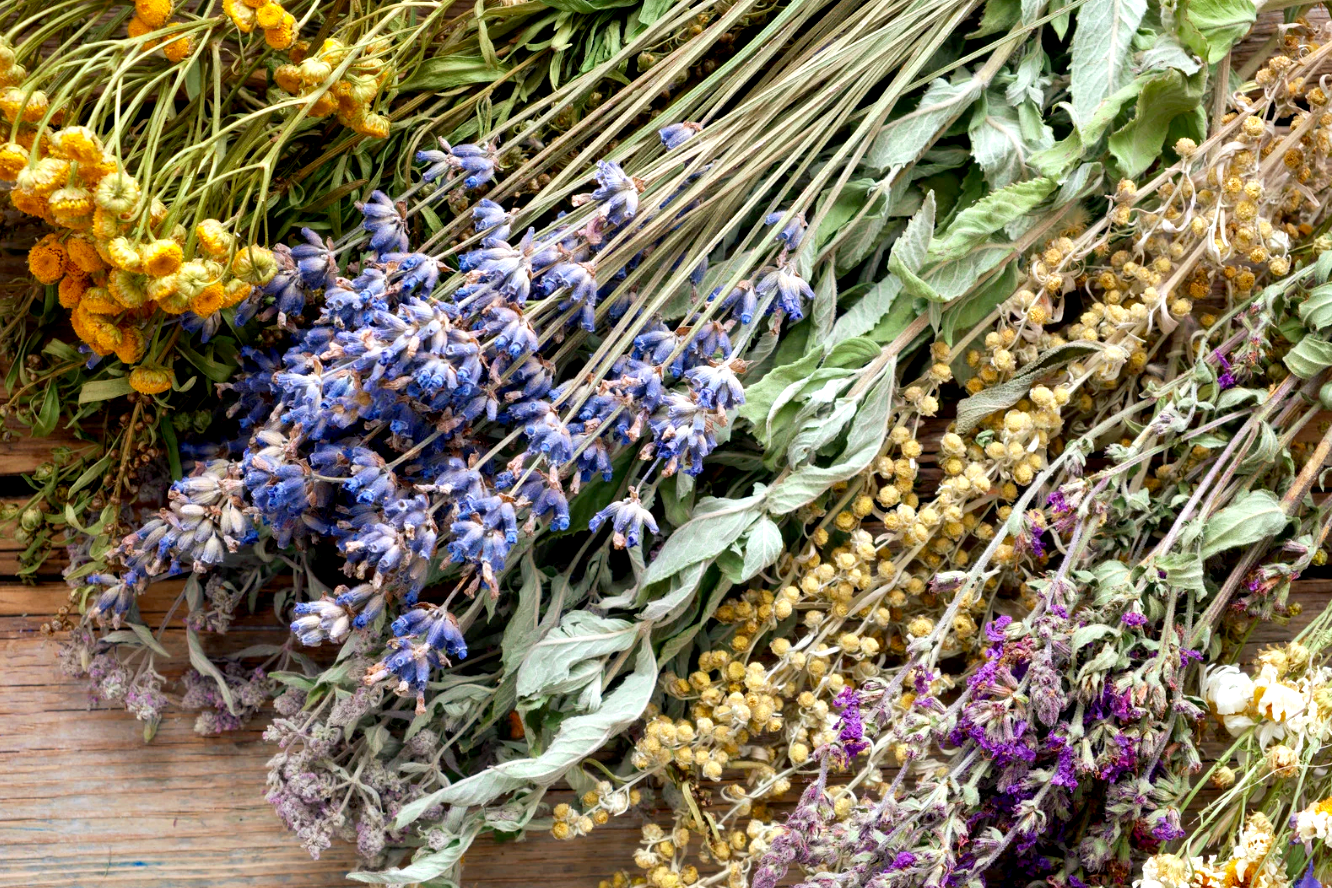
When we talk about preserving flowers, the science matters. Drying works best for flowers with lower moisture content (like chamomile, lavender and calendula). Drying concentrates flavor and preserves volatile oils, but only if heat stays low and airflow consistent.
For petals with higher moisture (like rose and hibiscus), dehydration or sugar preservation works better. Infusing oils or vinegars extracts fat- or acid-soluble compounds like flavonoids and carotenoids, while honey acts as both a preservative and a natural solvent for aroma compounds. These aren’t just pretty projects — they’re functional pantry staples that add brightness and complexity to our cooking.
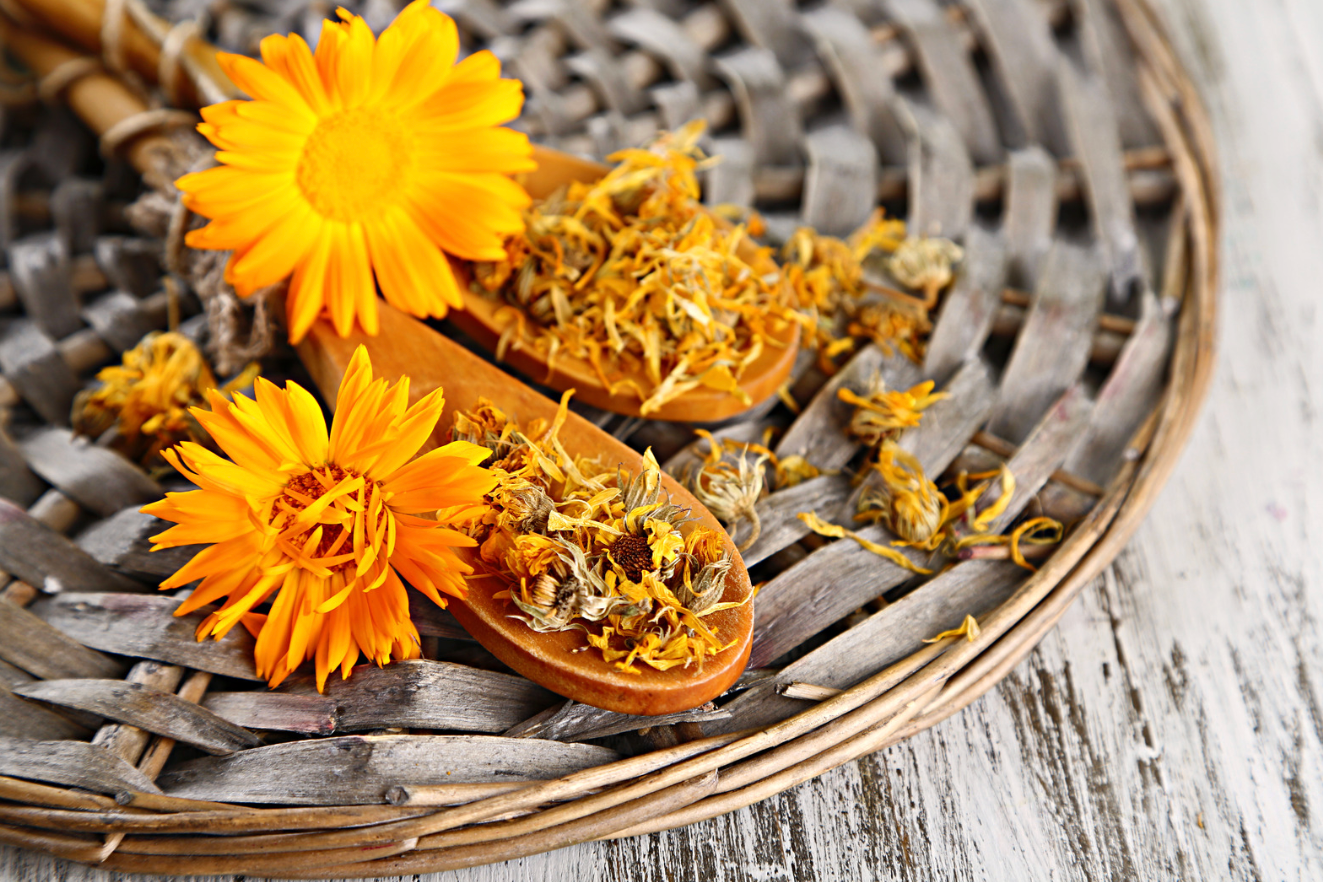
Autumn shifts edible flowers into more comforting, grounding uses. Chamomile and calendula are the workhorses of fall cooking. Calendula’s gentle bitterness supports digestion — something most of us need as meals grow heavier. Lavender pairs well with fall fruit because its linalool content lifts sweetness without overpowering it. Chrysanthemum becomes an excellent warm tea that supports liver function and circulation.
Autumn is also the time to test our preserved flowers: floral salts for roasted vegetables, a spoon of rose honey for sore throats or a lavender vinegar splash to brighten braised dishes.
Recipe How-To for Calendula Floral Salt: Crush 1/2 cup flaky sea salt with a mortar and pestle. Add 2 tablespoons of dried calendula petals and mix until evenly distributed. Store for 3 to 6 months. Use on roasted vegetables, grilled chicken, simple pastas or warm focaccia bread.
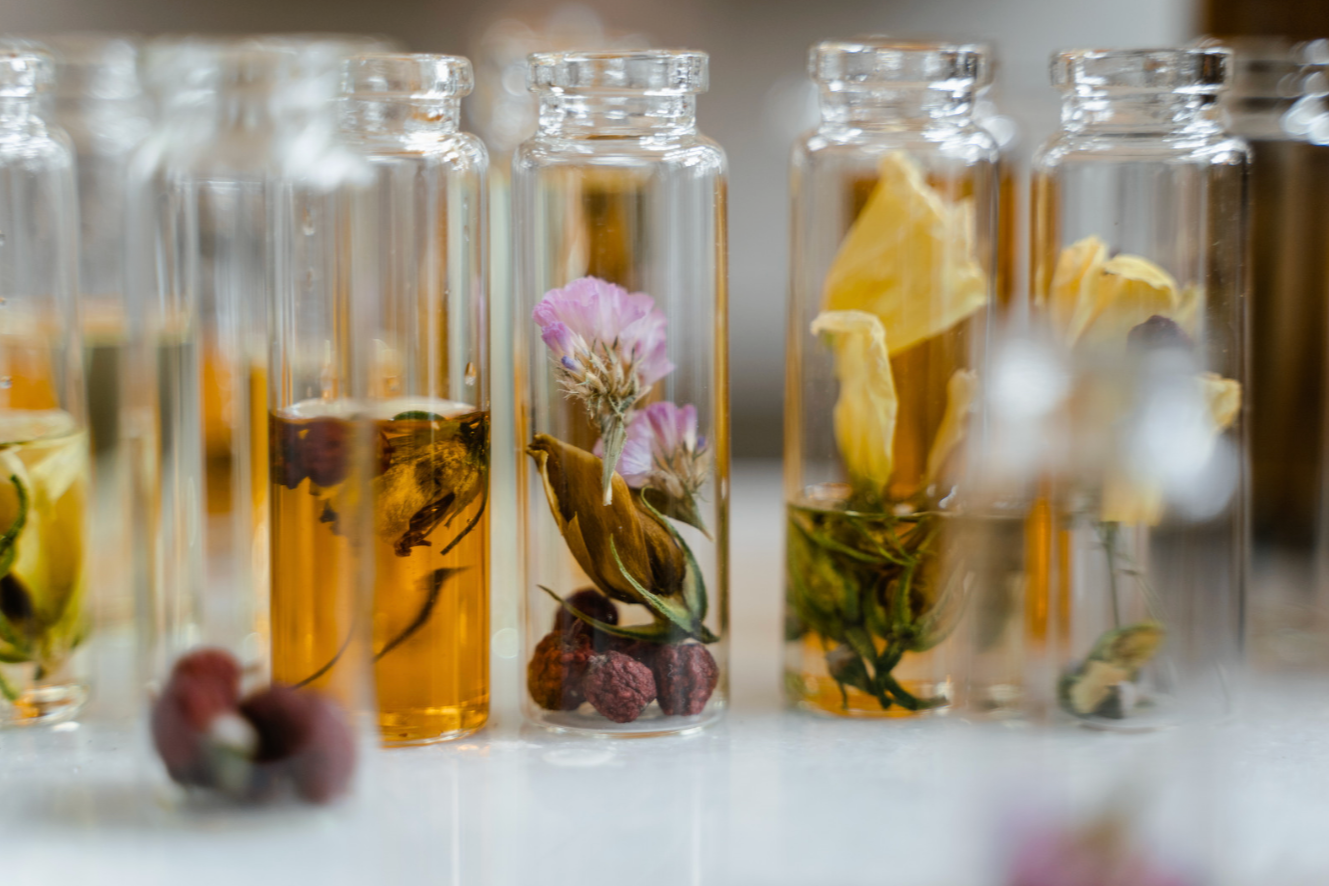
Winter is when edible flowers prove their value. This is where our dried jars, infused oils and syrups matter. Lavender sugar brings depth to tea and baked goods. Calendula broth is warming and mineral-rich, thanks to calendula’s natural triterpenes. Rose petals steeped in vinegar turn into a pantry acid that transforms winter salads. Herbal-floral teas support hydration when the air is dry — chamomile for relaxation, calendula for lymphatic support, hibiscus for vitamin C and blood-pressure benefits.
Winter is also the ideal planning season: selecting seeds, mapping out a flower garden and choosing plants with staggered bloom times so we have edible flowers from April through November.
Recipe How-To for Lavender Sugar: Pulse 1 to 2 teaspoons of dried lavender buds and 1 cup granulated sugar briefly in a food processor until fragrant. Transfer to a sealed jar and let rest for 3 to 5 days. This sugar should last for about 6 months when properly stored in an airtight container away from heat and light. Use in any dish that calls for a floral lift.
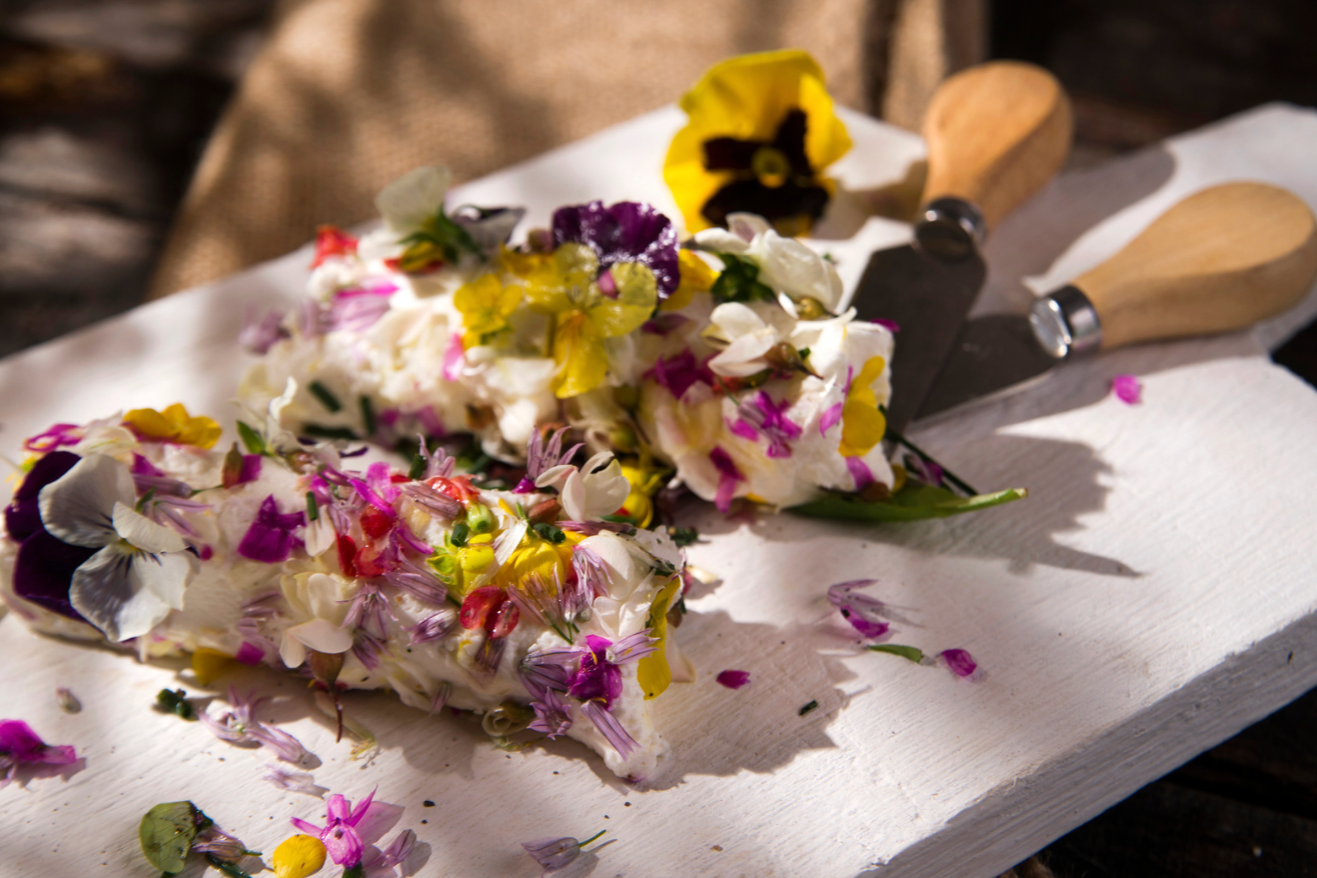
What ties the seasons together is a shift in how we think about edible flowers. Instead of treating them as decorations, we begin to see them as functional botanical ingredients — flavorful, nutrient-dense and deeply tied to culinary history. Flowers contain antioxidants, volatile oils, carotenoids, flavonoids and compounds that support digestion, mood and overall wellness. They’re not supplements; they’re whole foods that bring complexity to your cooking.
A year spent cooking with flowers teaches us to cook more seasonally, to pay attention to small changes, to value ingredients that are often overlooked. It strengthens our garden-to-table rhythm — not because the flowers are fancy, but because they invite us to taste your garden in a new way.
Edible flowers don’t ask much of us. They simply ask us to be curious, observant and willing to let flavor come from unexpected places.