The Quiet Effect of Working with Plants
There’s a particular kind of calm that comes from spending time in the garden. It’s not dramatic. And it’s not immediate.
But it’s steady.
Your hand are in the soil. You’re reaching, trimming, watering. These small, repeated movements don’t require much thought, but they gradually draw attention away from everything else.
And over time, something shifts. You begin to settle.
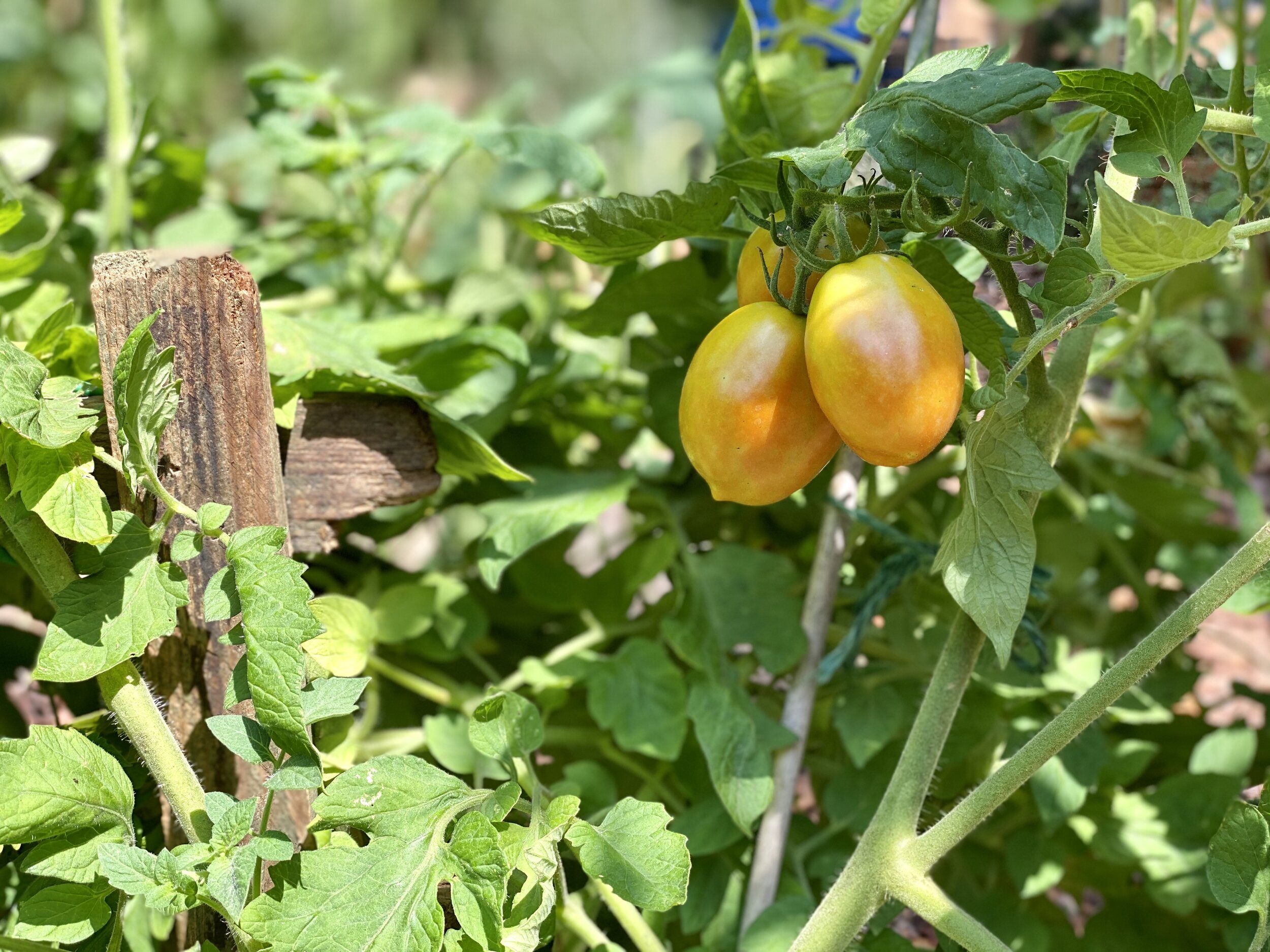
Why Gardening Changes How the Body Responds
Much of daily life keeps you in a heightened state — constant input, decision-making and mental activity.
Gardening does the opposite. The pace slows. Movements become repetitive. Attention narrows to what’s directly in front of you.
This combination — repetition, focus and physical engagement — encourages you to move toward a more regulated state.
Not through effort. But through rhythm.
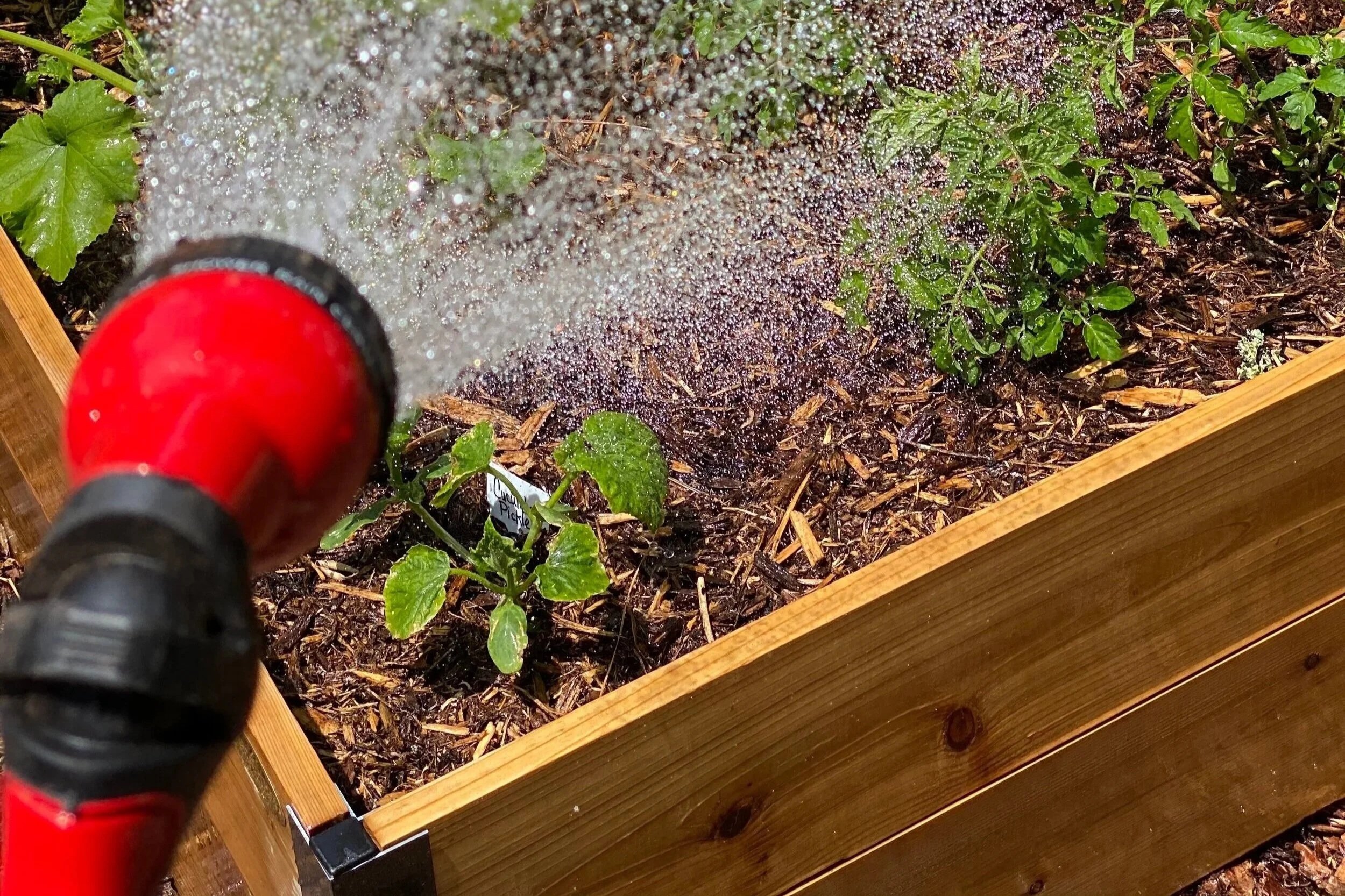
Repetition, Rhythm & the Return to Steadiness
The tasks themselves are simple.
Watering at the same time every day or so. Checking for new growth. Harvesting a few leaves, then returning the next day to do it again. Nothing about this is complex.
But repetition creates familiarity. And familiarity reduces friction — both mentally and physically. And over time, these small actions begin to establish a rhythm. And your body responds to that rhythm in kind. You can read more about this type of rhythm in my blog post on New Kitchen Calm.

The Role of Touch in Plant-Based Care
One of the most overlooked aspects of gardening is touch.
The feel of the soil between your fingers. The texture of the leaves. The slight resistance of a stem as it’s cut for harvest. These are subtle sensory inputs, but they matter.
Touch is one of the primary ways you interprets your environment. And when that input is steady, natural and not demanding, it tends to support a more settled state.
In that sense, working with plants is not only visual or mental. It’s physical.
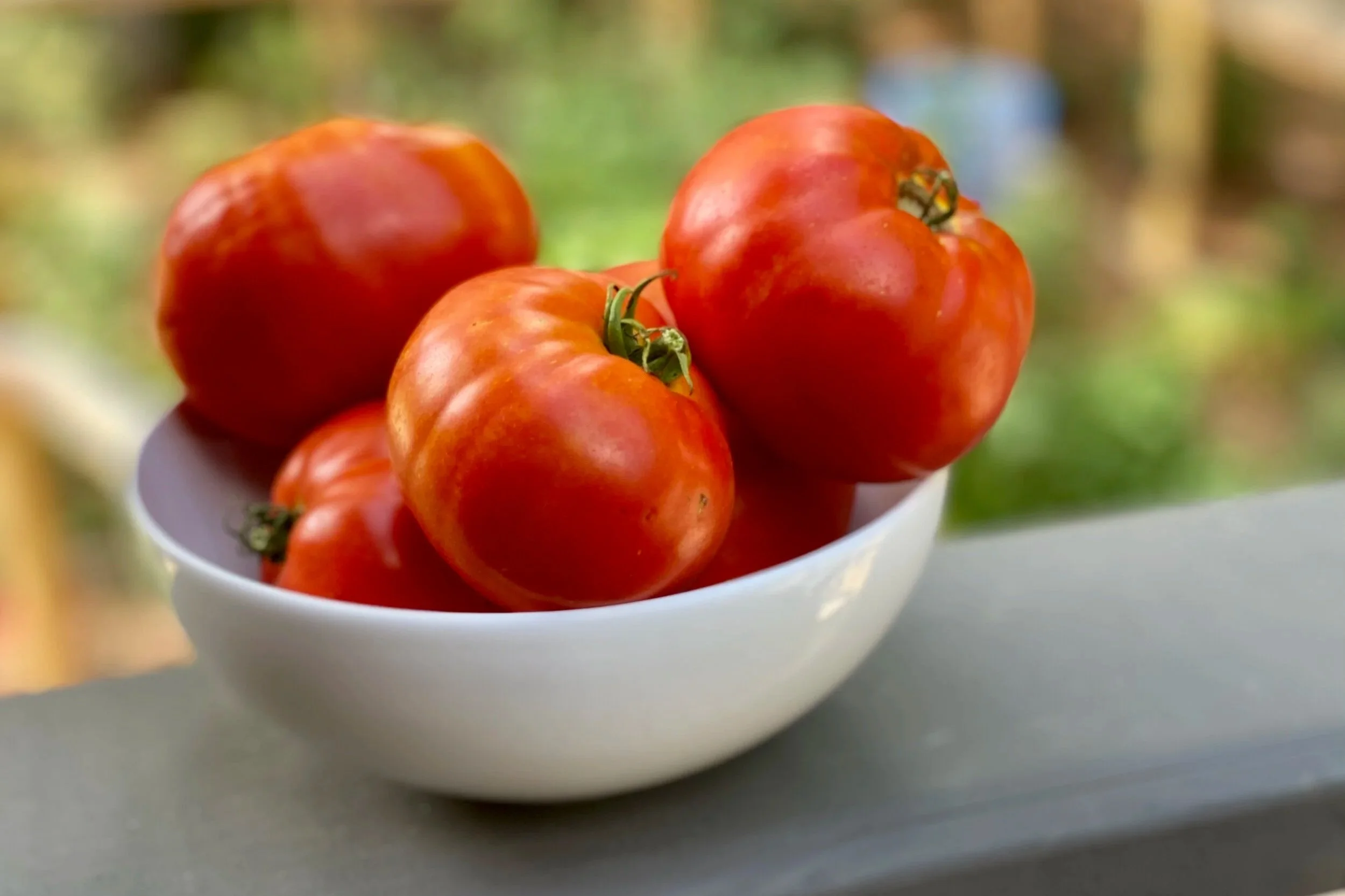
Plants as Support Beyond What We Eat
It’s easy to think of the garden primarily as a source of food. There are herbs to cook with. Greens to harvest. Vegetables to bring into the kitchen.
But the benefit begins long before any of that happens.
The act of tending the garden — of interacting with living plants — has its own effect. One that doesn’t rely on ingestion or nutritional value. It’s a form of support that comes through contact, attention and repetition.

A Different Way of Thinking
When viewed this way, gardening becomes more than a productive activity.
It becomes part of how we regulate and care for ourselves. Not through effort or optimization, but through consistent, grounded interaction with something living.
The garden doesn’t just provide ingredients. It provides a way of returning to steadiness. To calmness. To a more settled life.
Related Blog Posts
New Kitchen Calm: How Slow Heat Becomes a Daily Ritual (and Why it Matters)
https://cathleenrsmith.com/the-blog/kitchen-calm