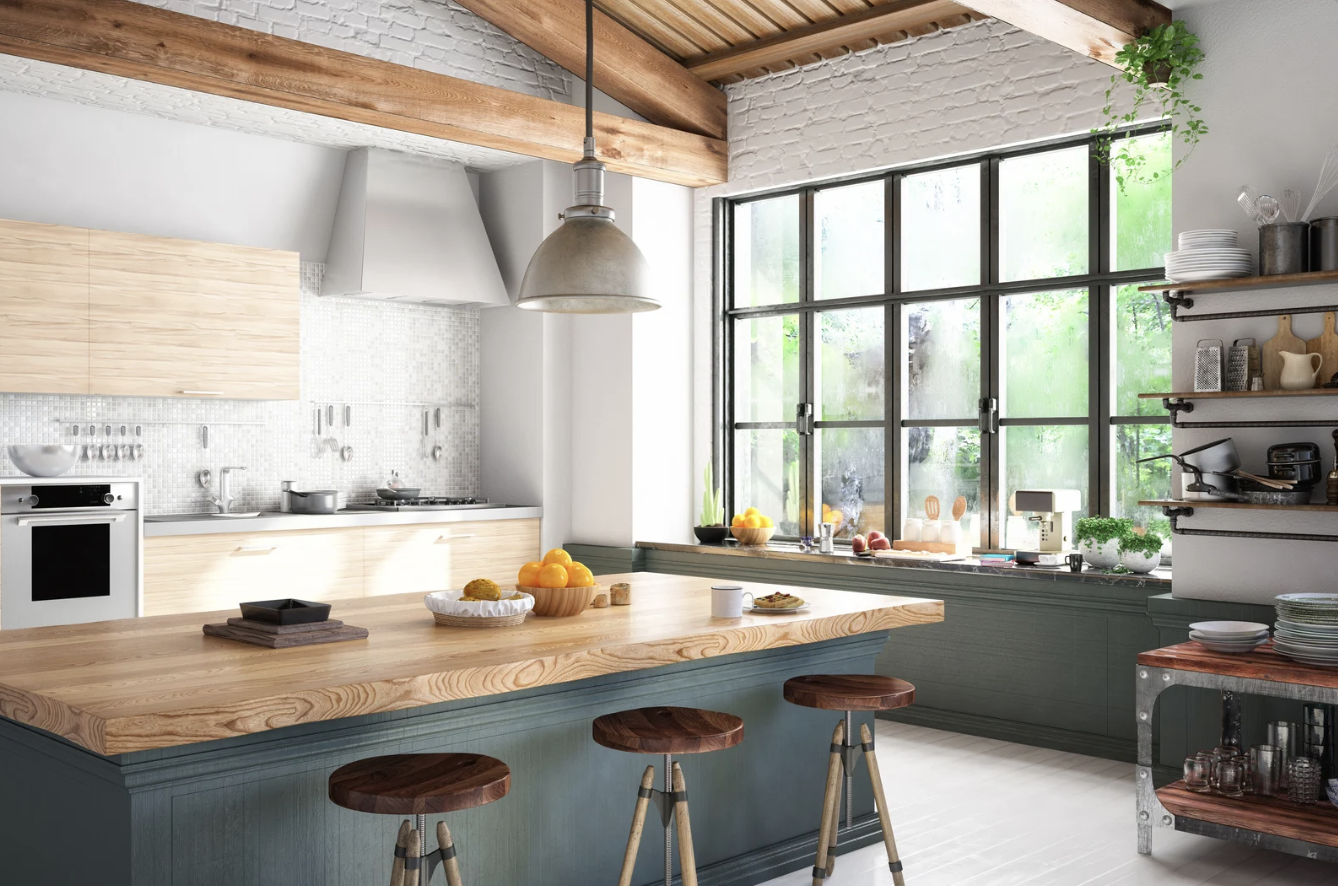
There’s a quiet shift happening in many of our homes right now. After years of accumulating tools, gadgets, and half-used ingredients, more people are craving simplicity—spaces that feel calmer, more intentional, and more supportive of the way they truly want to live. The kitchen, surprisingly or not, is often where this transformation begins. It’s the center of nourishment, creativity, and daily ritual. When it’s cluttered, we feel it. When it’s streamlined, spacious, and thoughtfully arranged, cooking becomes not just easier, but more enjoyable.
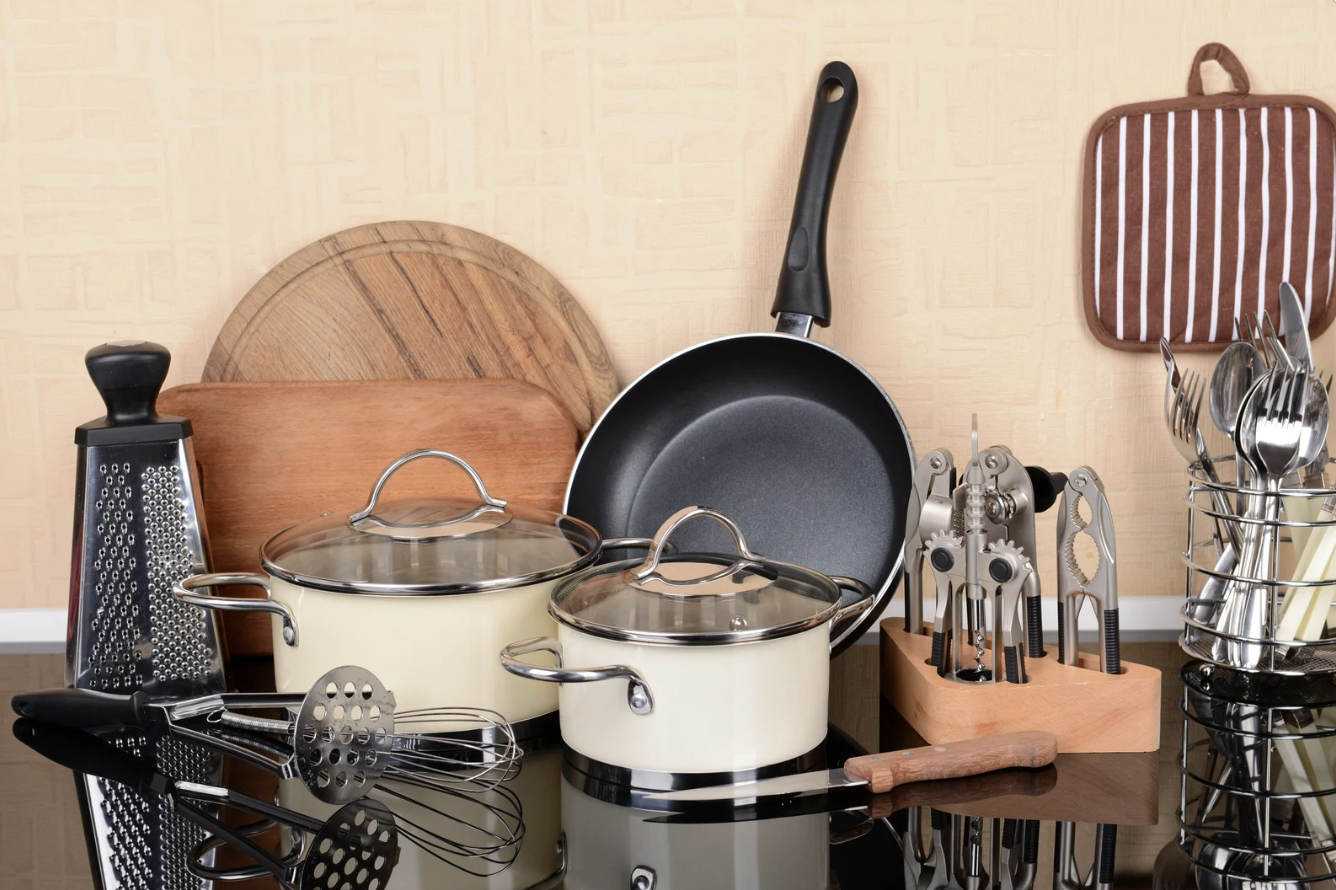
Kitchen minimalism isn’t about stark countertops or giving up the things you love. It’s about curating rather than collecting—keeping the tools that serve you well and releasing the ones that don’t. Research shows that cluttered environments can increase stress, reduce focus, and even diminish our enjoyment of food. A pared-back kitchen frees up not just counter space, but mental space. It opens room for intention, ease, and more mindful cooking.
Step 1: Take a Good Look
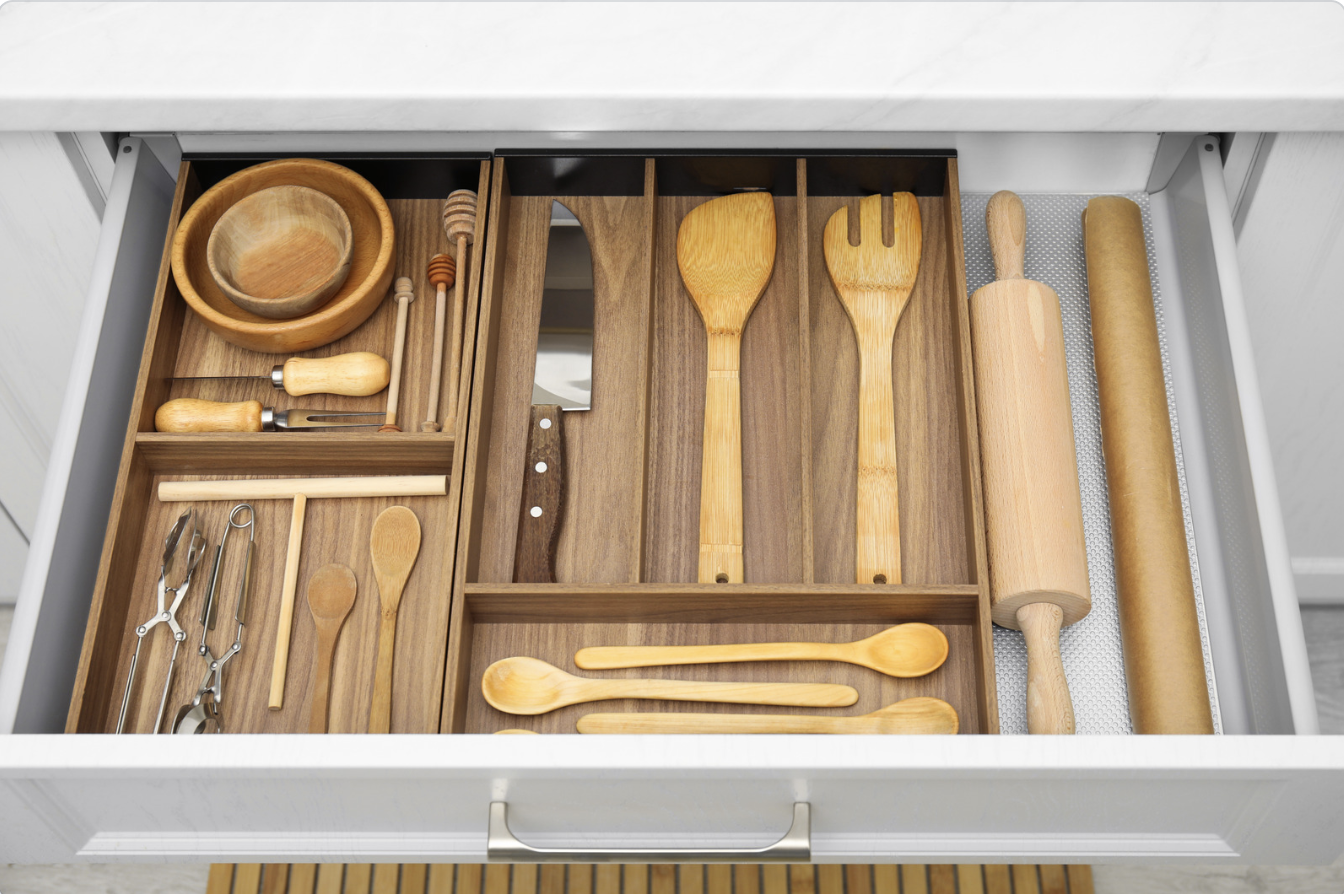
The first step is to look at your kitchen tools with clear eyes. Most of us use the same 15–20 items every day—our favorite knife, a sturdy cutting board, a heavy-bottomed pot, a good skillet, a reliable sheet pan. The rest lives in drawers, taking up space but offering little return. Minimalist kitchens rely on multipurpose tools that perform beautifully and last. A Dutch oven that braises, bakes bread, and makes soup. A chef’s knife that handles almost everything. Stainless steel or cast iron pans that transition from stovetop to oven. A handheld citrus press. A fine microplane. A wooden spoon that only gets better with time.
Step 2: Build Your Go-To Pantry
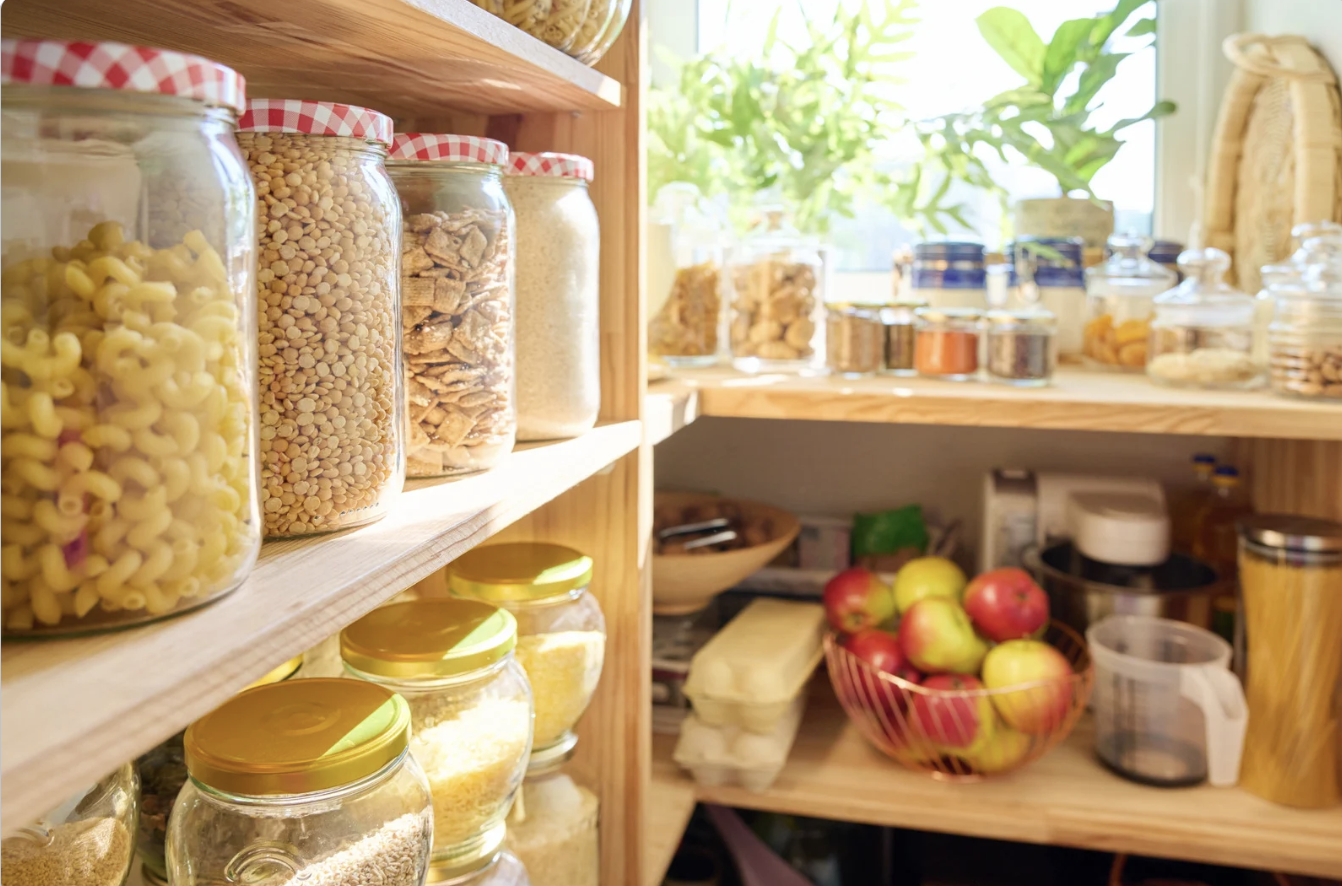
Once your tools are streamlined, your pantry becomes the heart of your kitchen’s simplicity. This isn’t a full pantry stocking guide—it’s a way of thinking. A “go-to pantry” blends convenience and quality, giving you the building blocks for simple meals without falling into the trap of overbuying. Think of versatile grains (rice, farro, oats), legumes (lentils, chickpeas, black beans), and a handful of spices and herbs that match your everyday cooking style. Dried basil, oregano, cinnamon, chili flake. Sea salt. Good olive oil. Vinegar with personality—apple cider, red wine, rice vinegar. And if you grow herbs, even better: dried rosemary, thyme, calendula, mint, and parsley bring the garden into daily cooking with almost no effort.

Step 3: Plan Simple Meals
With a curated set of tools and a streamlined pantry, simple meals become second nature. A pot of lentils with garlic, lemon, and herbs. A roasted tray of vegetables tossed with olive oil and sea salt, served over grains. A skillet meal with beans, greens, and a touch of citrus. These dishes don’t require recipes as much as awareness—of what you have, of what you like, of what feels good in the moment. Once you embrace minimalism, you begin to cook from intuition instead of obligation.
A “week of simple meals” is often the final step in this transformation—a template rather than a strict plan. For example:
Monday: Roasted chicken with herbs & lemon, served with veggies and a grain
Tuesday: Salmon or white fish with citrus zest and olive oil, paired with a salad
Wednesday: Simple pasta with olive oil, lemon and parsley
Thursday: Lentil or bean bowls with roasted veggies and herbs
Friday: A sheet-pan dinner combining protein and seasonal veggies
This rhythm is flexible, seasonal, and forgiving. It reduces decision fatigue and encourages creativity without excess effort.
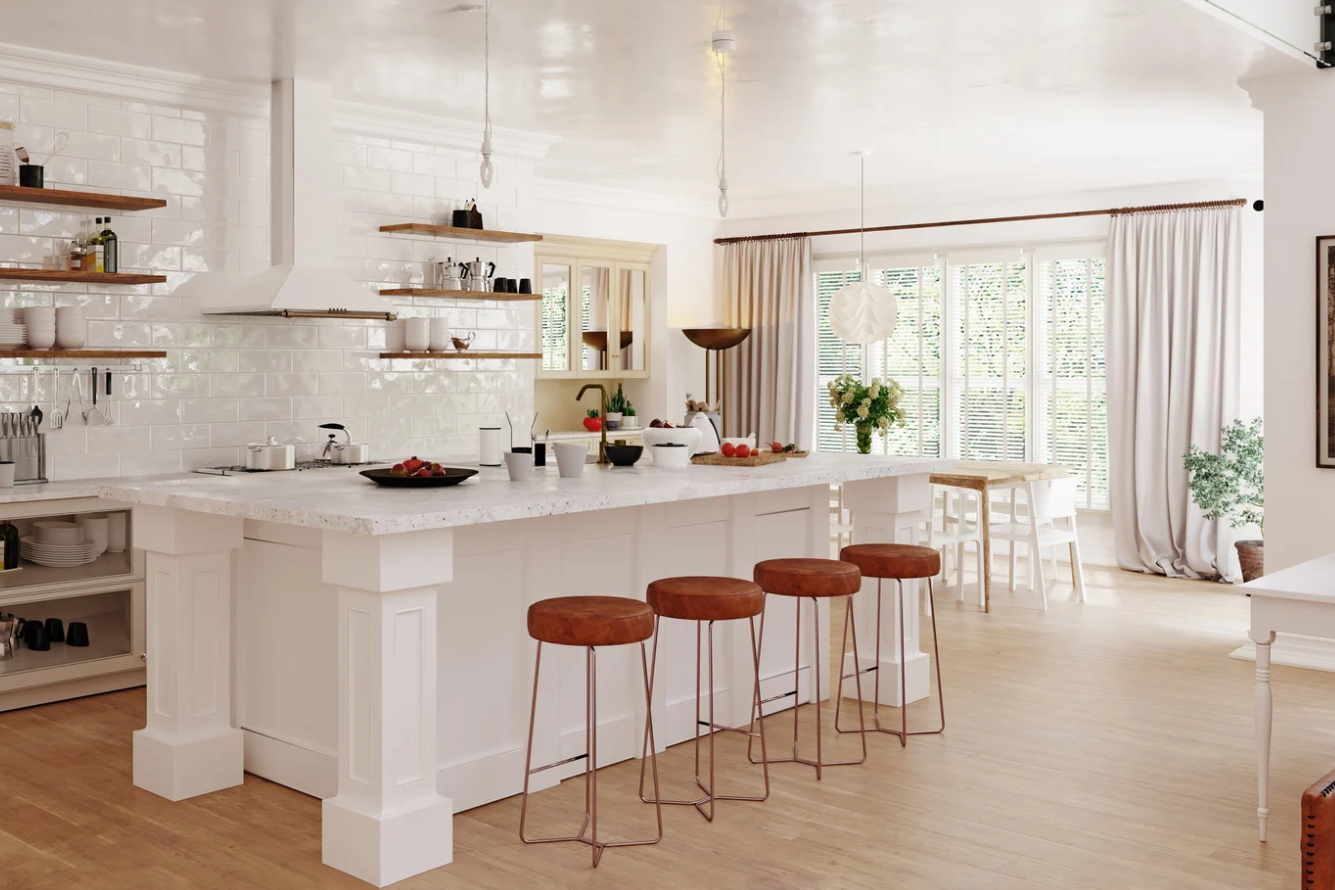
Ultimately, kitchen minimalism isn’t about doing without. It’s about doing with clarity. It’s the feeling of opening a drawer and finding exactly what you need. The peace of countertops that invite you in. The satisfaction of meals that nourish without overwhelming. In a world that’s constantly asking us to do more, minimalism offers a gentle alternative: do what matters, with intention, and let the rest go. Your kitchen becomes a reflection of that philosophy—a space rooted in ease, nourishment, and beauty.