Winter Flowers: Creative Ways to Use Edible Blossoms
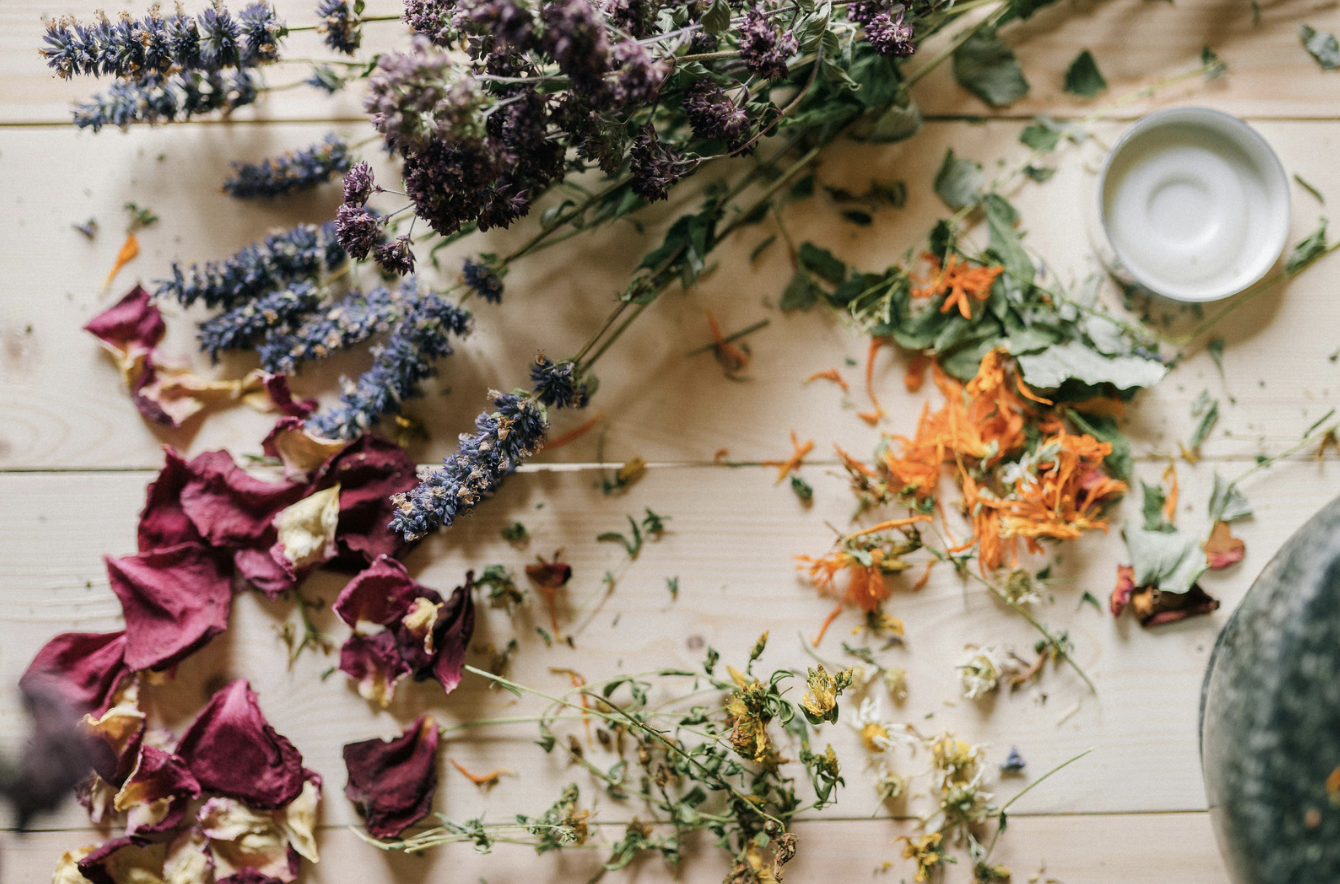
When the garden goes still in winter and nothing fresh is blooming, the beauty of dried edible flowers becomes even more apparent. Their colors soften but don’t disappear, their fragrances mellow and their delicate petals hold onto surprising amounts of flavor and therapeutic potential. For centuries, herbs and flowers were dried not just for storage, but for winter comfort—infusions, salts, syrups, bath rituals and small moments of nourishment that brought the memory of summer into the coldest months. Today, that tradition continues and edible flowers offer one of the loveliest ways to brighten winter cooking and self-care.
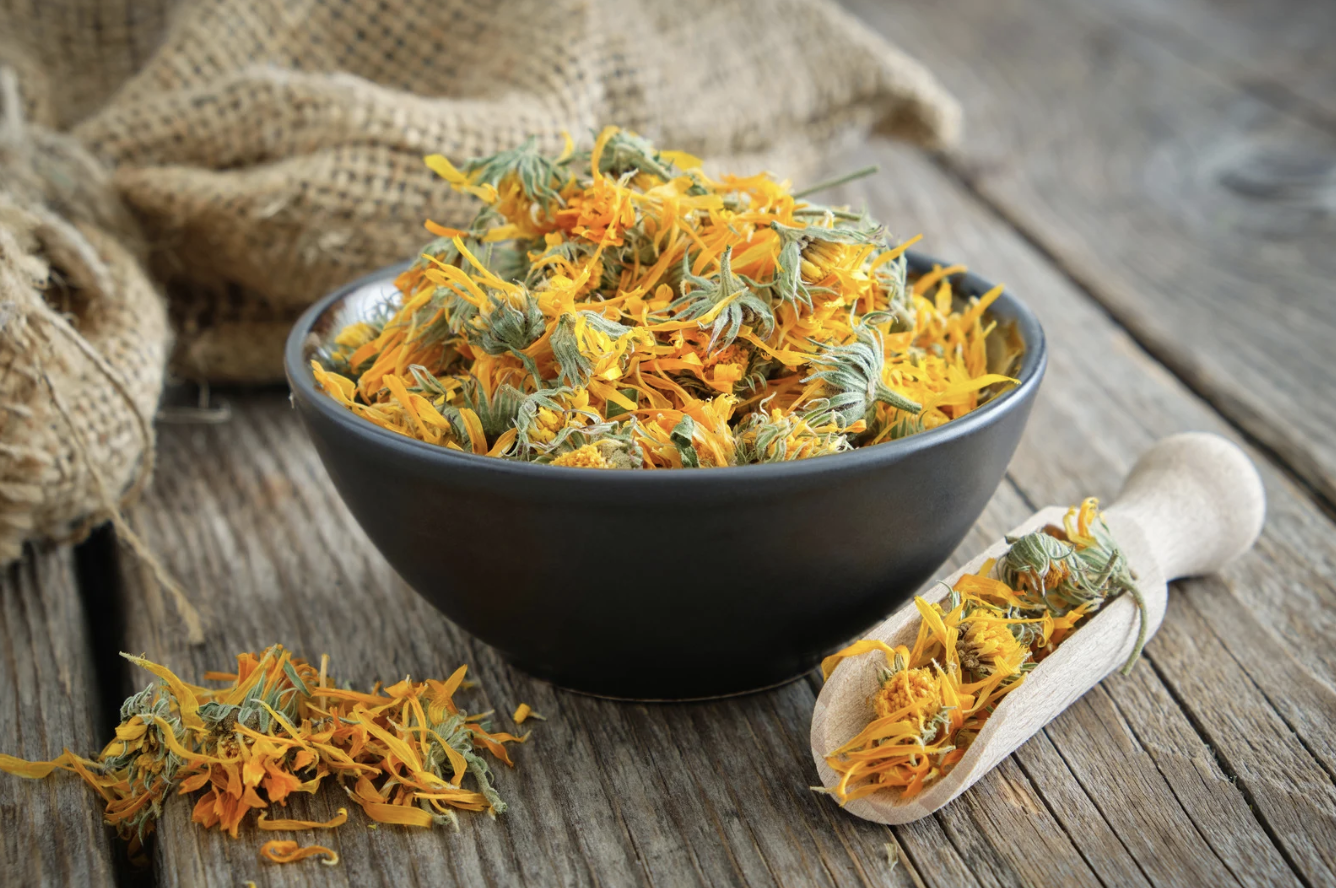
Many edible flowers retain remarkable potency when dried. Calendula, long celebrated for its skin-soothing properties, keeps its golden color and mild flavor beautifully. Lavender holds its essential oils exceptionally well; a tablespoon of dried buds can still perfume an entire recipe. Rose petals dry into soft, whisper-light flakes rich in polyphenols and chamomile blossoms remain one of the most comforting dried botanicals for teas and syrups. What these flowers lose in fresh delicacy, they gain in concentration: the drying process reduces water content and preserves aromatic compounds, making them wonderfully versatile in winter.
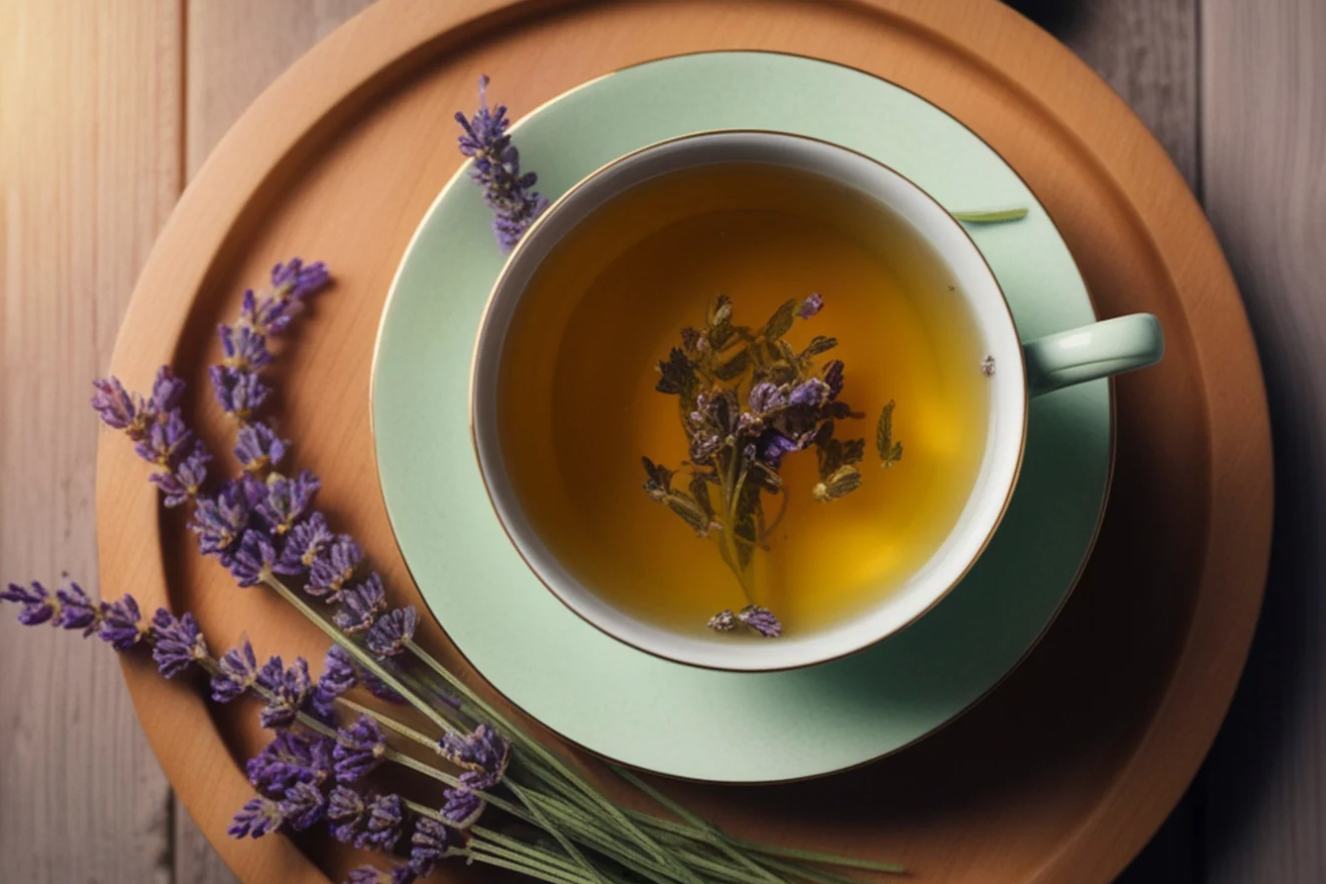
One of the simplest ways to enjoy dried edible flowers is through winter teas and infusions. A cup of chamomile-lavender tea offers natural calming benefits—thanks to compounds like apigenin in chamomile and linalool in lavender, both known for their gentle relaxing effects. Calendula adds a mild earthiness and is traditionally used to support digestion and soothe mucus membranes.
To make a winter flower tea, steep one teaspoon of dried petals per cup of hot water for five to seven minutes. Blend flowers freely, or pair them with herbs like mint, lemon balm or thyme for added complexity.
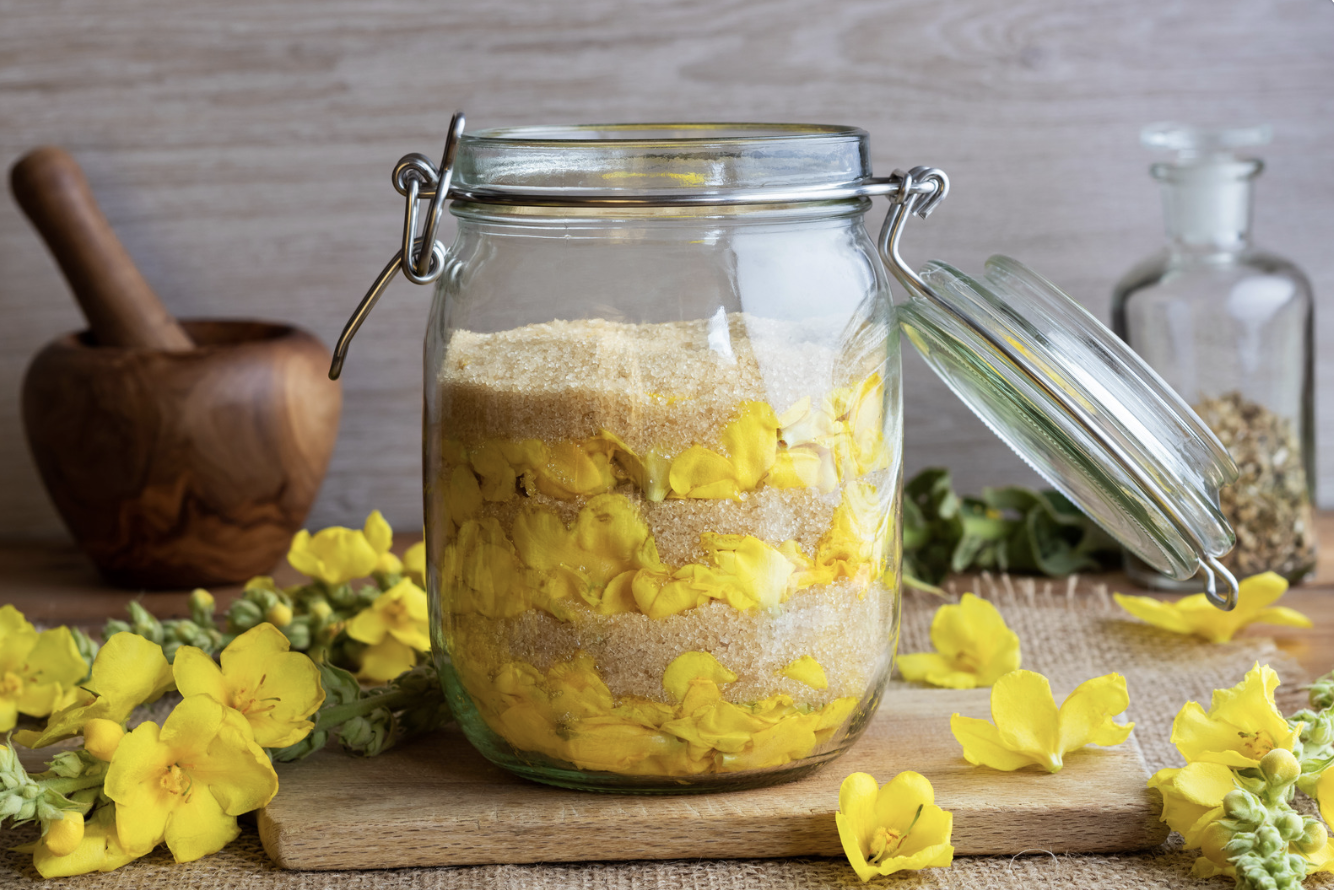
Dried flowers also shine in kitchen staples like salts, sugars and syrups. Floral salts—made by blending coarse sea salt with dried petals—bring color and subtle aroma to roasted vegetables, salads or even citrus desserts. Floral sugars work beautifully in baking or stirred into warm drinks.
And to make a simple flower syrup, simmer one cup of water with one cup of sugar until dissolved, remove from heat and steep with a tablespoon of dried lavender, chamomile or rose for 20 minutes. Strain, cool and store in the refrigerator. A splash in sparkling water or tea adds instant elegance. Trust me on this one!
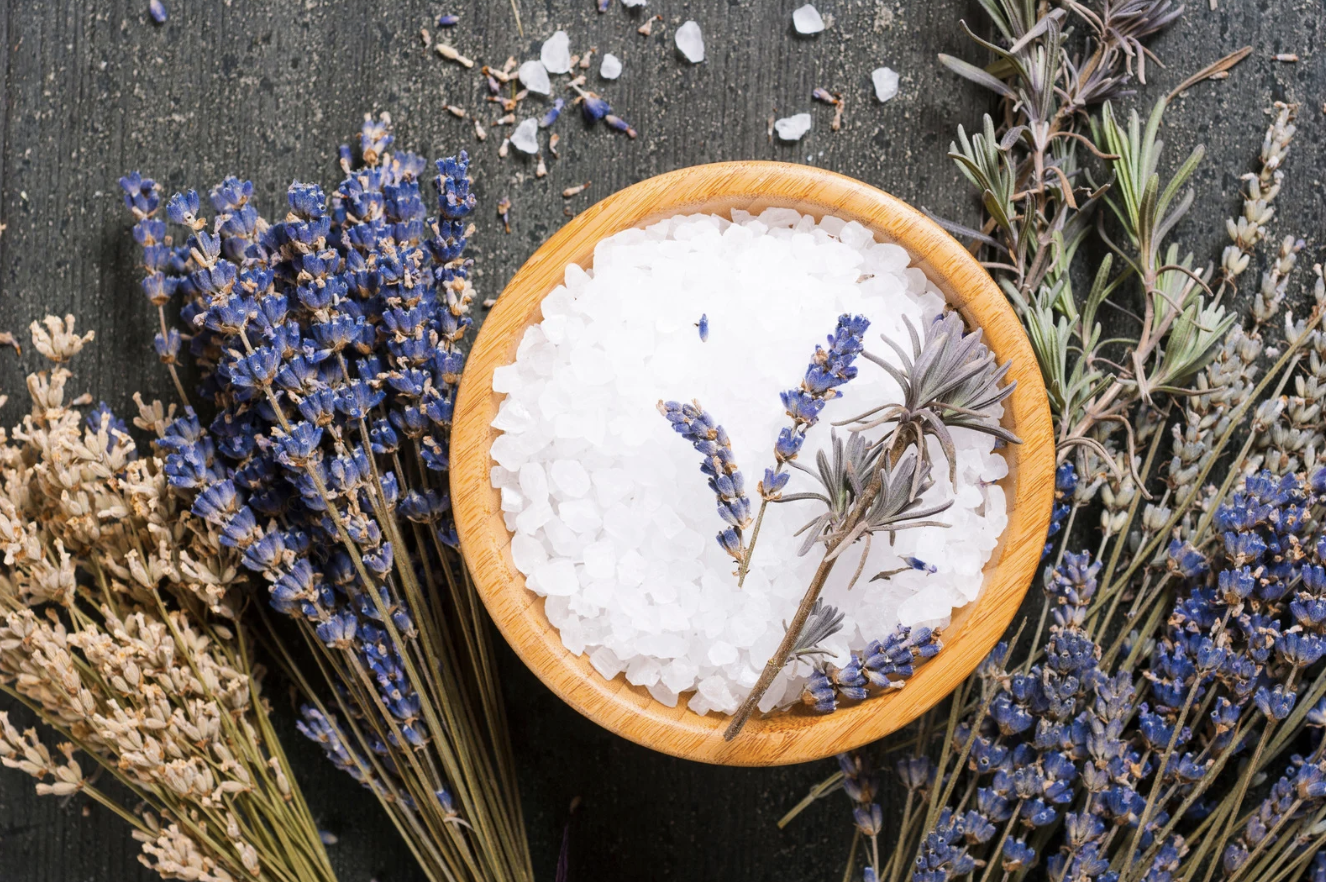
Outside the kitchen, dried edible flowers become tools for winter self-care. Lavender and chamomile are classic additions to bath soaks, while calendula is beloved for its skin-supportive properties. Combine dried petals with Epsom salt or oatmeal for a soothing bath blend, or tuck them into small fabric pouches to create herbal sachets that can be slipped into drawers, bags or pillowcases. If you enjoy candle making, dried flowers can be added sparingly around the edges of the wax for a decorative botanical touch—just keep them away from the wick to ensure safe burning.
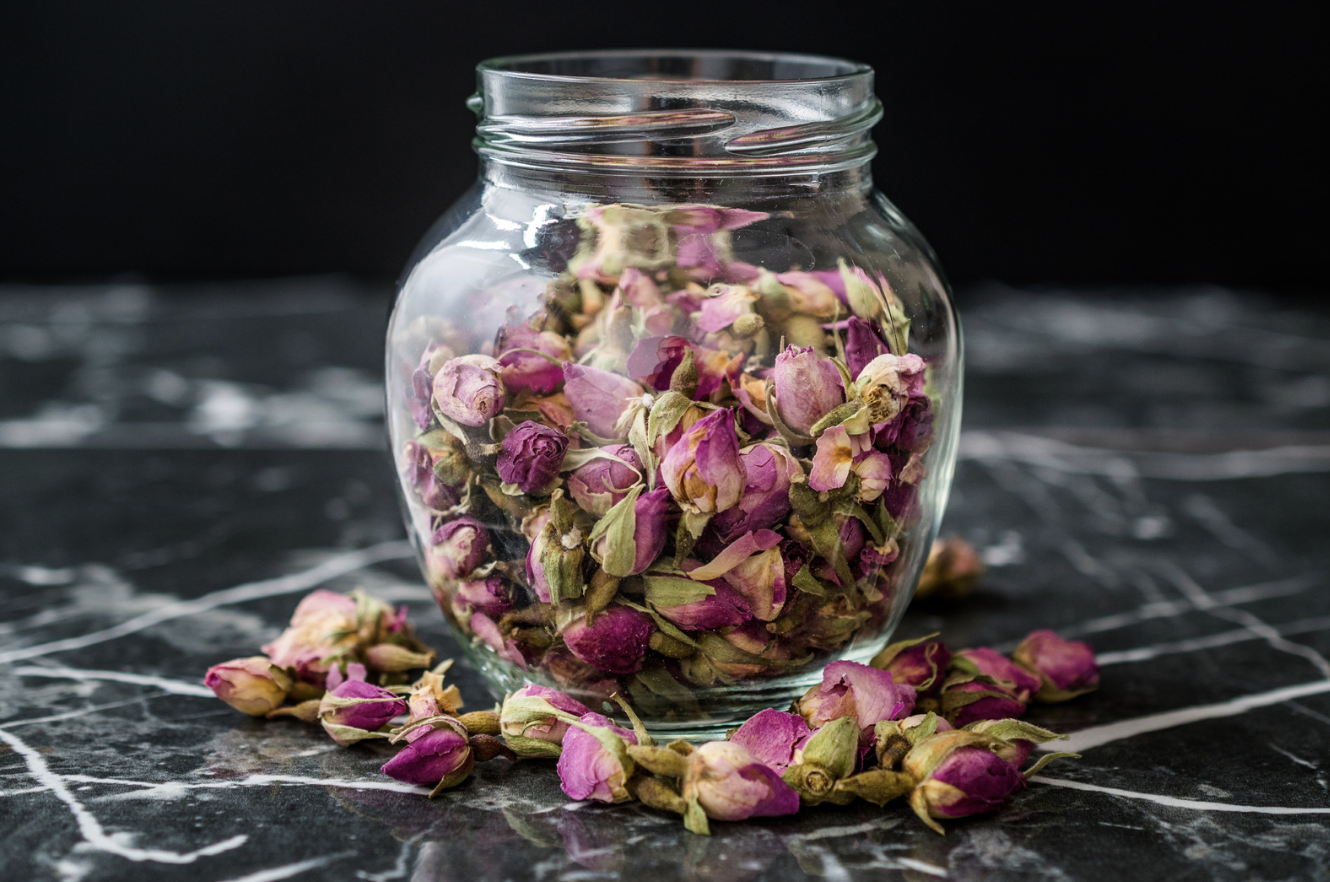
Proper storage is essential for preserving dried blossoms. Keep them in airtight containers away from light and moisture, ideally for no longer than one year. Whole blossoms tend to retain aroma longer than crushed petals, so avoid grinding them until you’re ready to use them. Store each flower separately so flavors don’t mingle unintentionally. A cool pantry or cupboard works perfectly and many home gardeners also label their jars with harvest dates and intended uses to stay organized throughout winter.
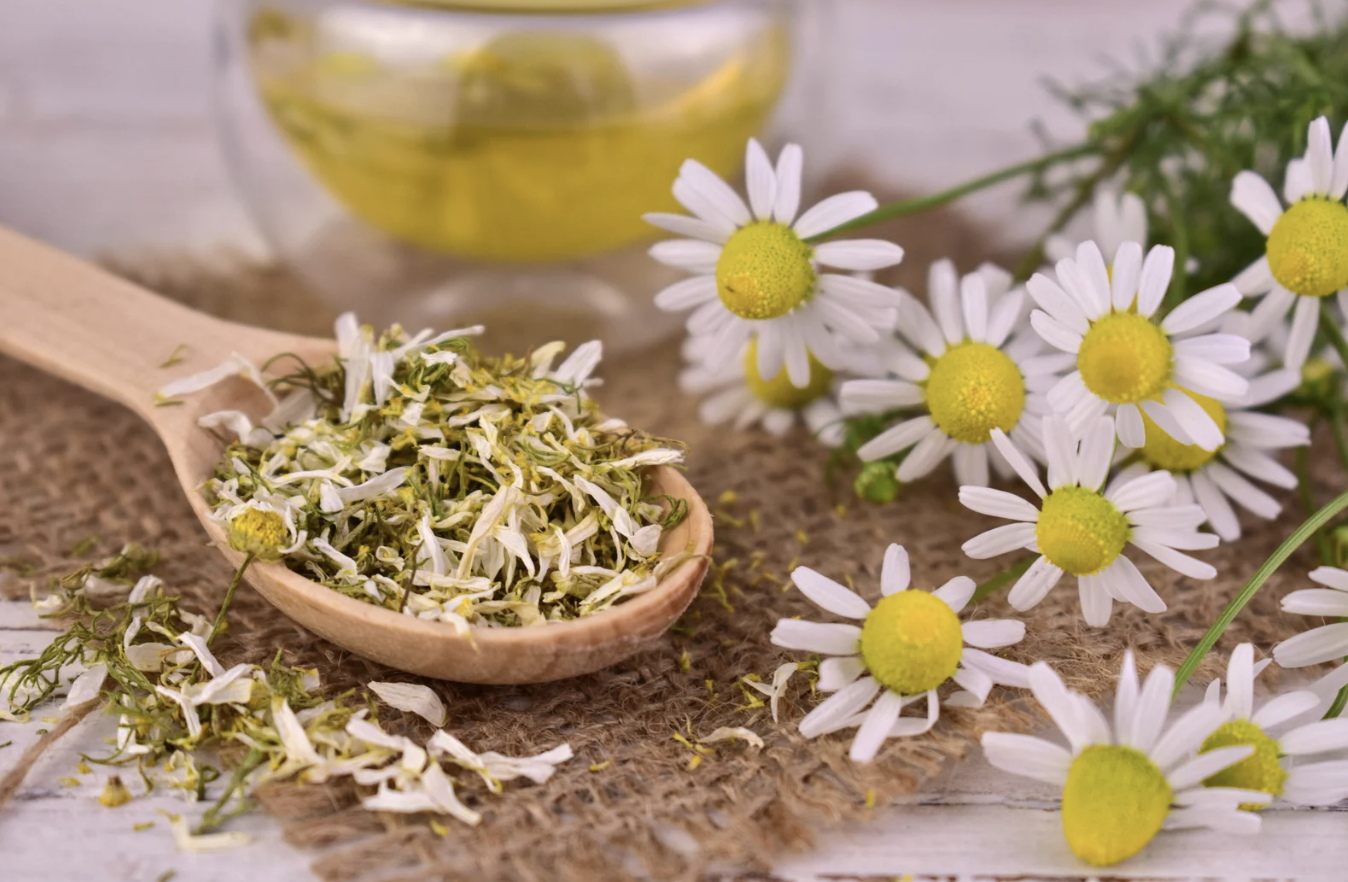
Winter is also the perfect time to plan your spring edible-flower garden. Dried flowers provide insight into what you use most—if you find yourself reaching for lavender repeatedly, plant more of it. If chamomile becomes your nightly ritual, grow a dedicated patch. Consider flowers with strong bloom cycles and excellent drying qualities: calendula for its resilience and color, lavender for fragrance, chamomile for tea and rose (especially organic, fragrant varieties) for culinary use. Planning now ensures your summer harvest becomes next winter’s comfort.
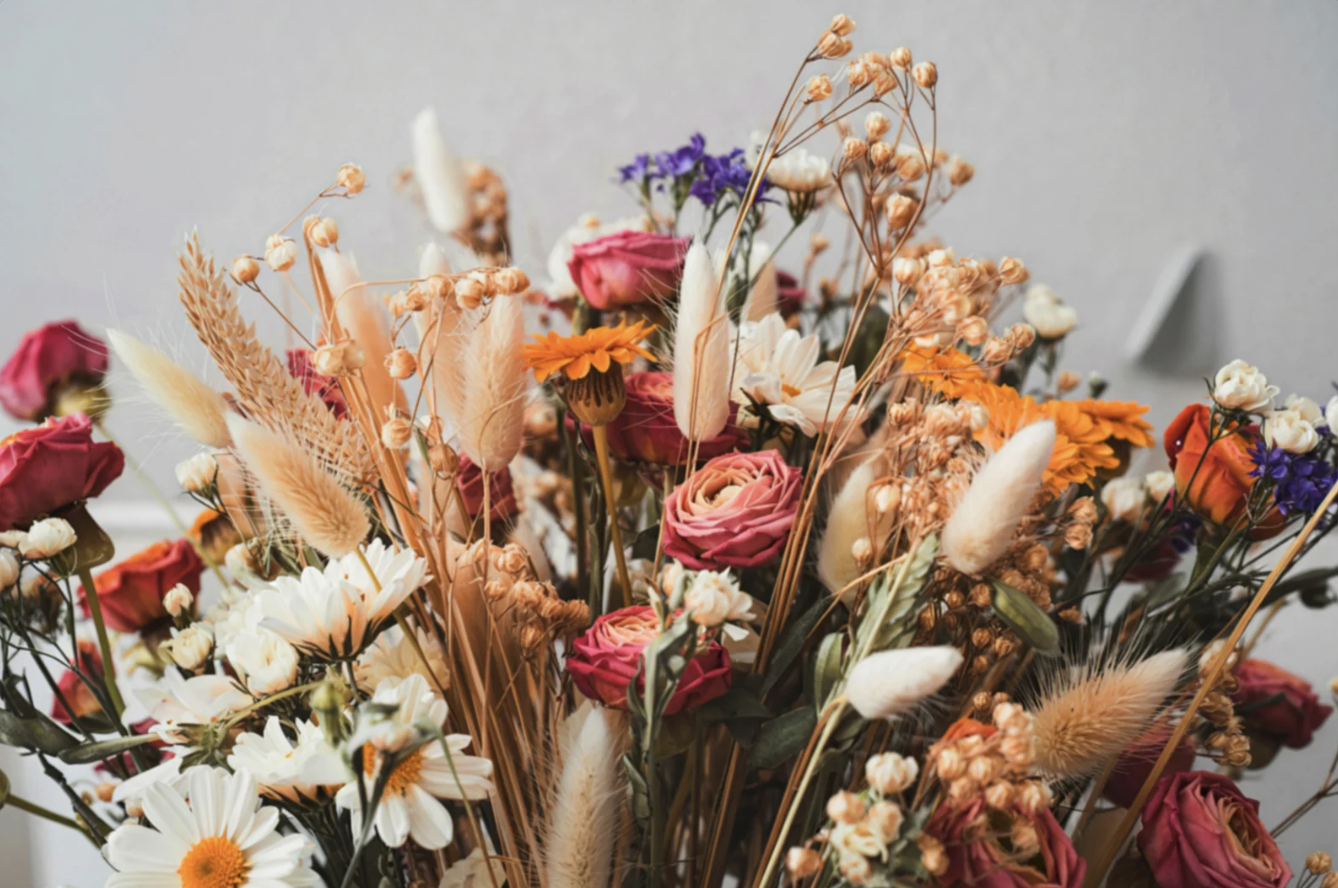
In these quiet months, dried edible flowers offer a bridge—connecting the vibrant abundance of summer to the reflective calm of winter. They bring beauty, nourishment, fragrance and memory to the table and to our daily rituals. When the world outside feels muted, these petals remind us that nature’s generosity continues even—in stillness.