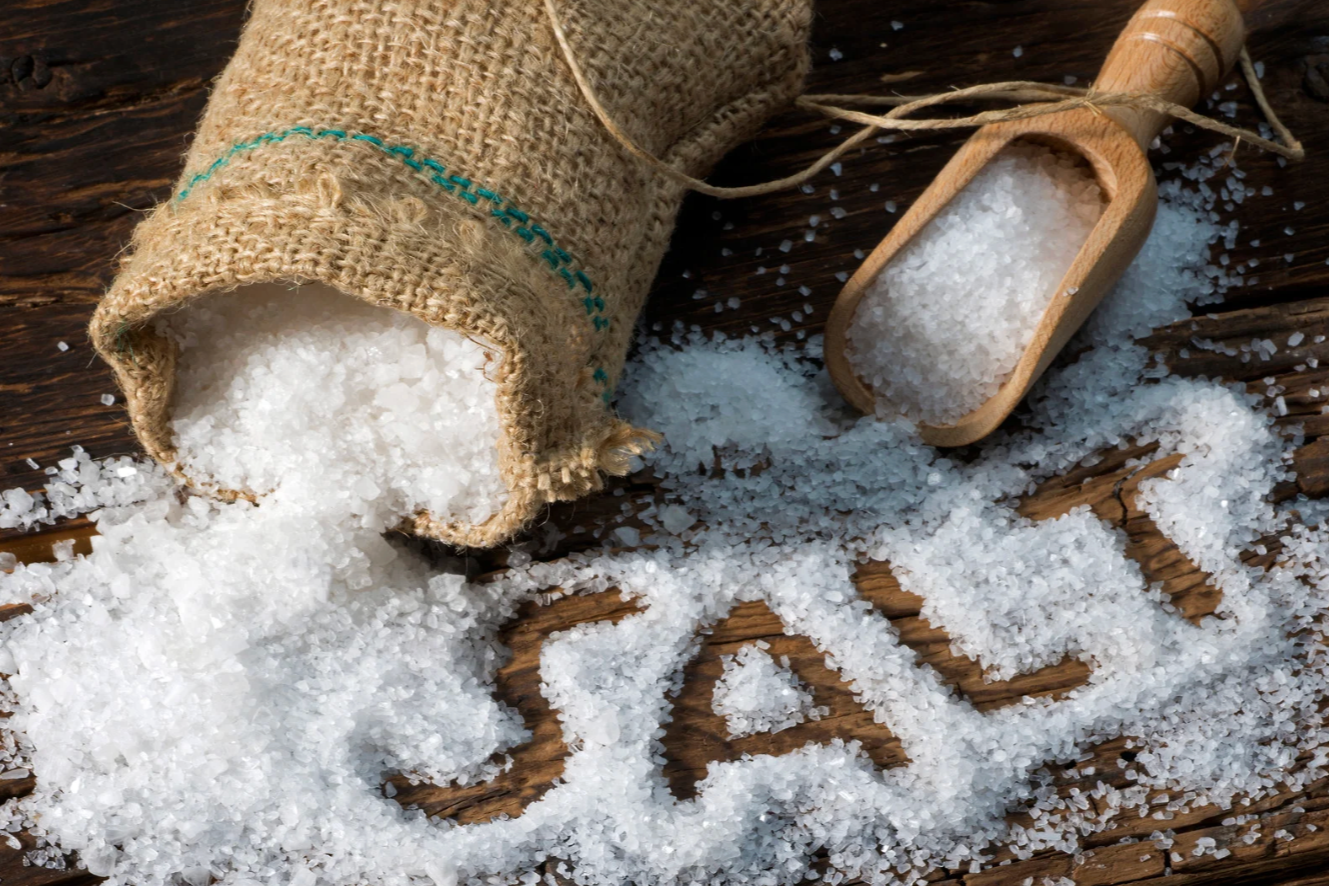
Salt has been at the center of cooking for thousands of years — a preservative, a flavor enhancer, a mineral source. And yet, in today’s kitchen, salt often becomes a crutch. We lean on it to “fix” a dull dish when what we truly need is brightness, acidity, fresh herbs or deeper umami layers. As more people rethink heart health, inflammation and the metabolic load of modern eating (i.e., the cumulative stress placed on the body by highly processed diets), 2025 has become a year of rediscovering smart, sensory seasoning — the kind that brings food alive without overwhelming the body. And salt is just one tool among many, not the foundation of flavor.
The real challenge? Most of the sodium in our diets doesn’t come from the salt we sprinkle at home — it hides quietly in broths, sauces, packaged soups, deli meats, breads, “healthy” snacks, salad dressings and even plant-based alternatives. Research from the CDC shows that over 70% of sodium intake comes from manufactured foods, not the home kitchen. That’s why kitchens like yours — slow, seasonal, with herbs and citrus — become places of empowerment rather than deprivation. When you cook with real ingredients, you control the salt, the mineral balance and the sensory experience.
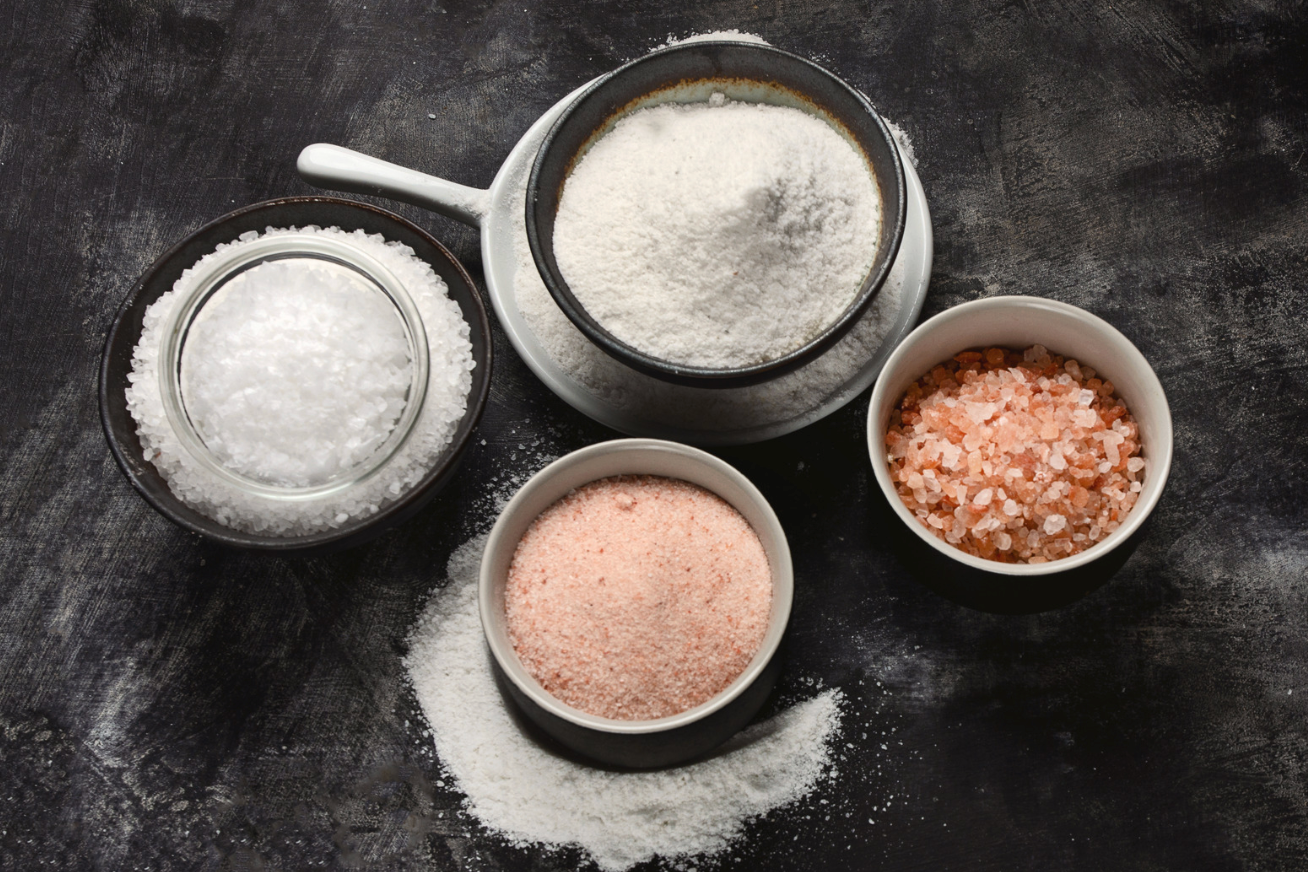
Salt is one of the oldest and simplest seasonings we have — just sodium chloride, a mineral that sharpens flavor and helps ingredients taste more like themselves. But somewhere along the way, we began using it as a shortcut, relying on salt to do the work that herbs, acids and slow, savory ingredients were meant to do. Salt is helpful, yes, but it’s only one note in a much bigger flavor orchestra. When we understand what salt actually is — a brightener, a sharpener, a balancer — we can start exploring all the other ways to bring food to life. Salt becomes a supporting character rather than the star, and our cooking becomes more creative, more intuitive and often more nourishing in the process.
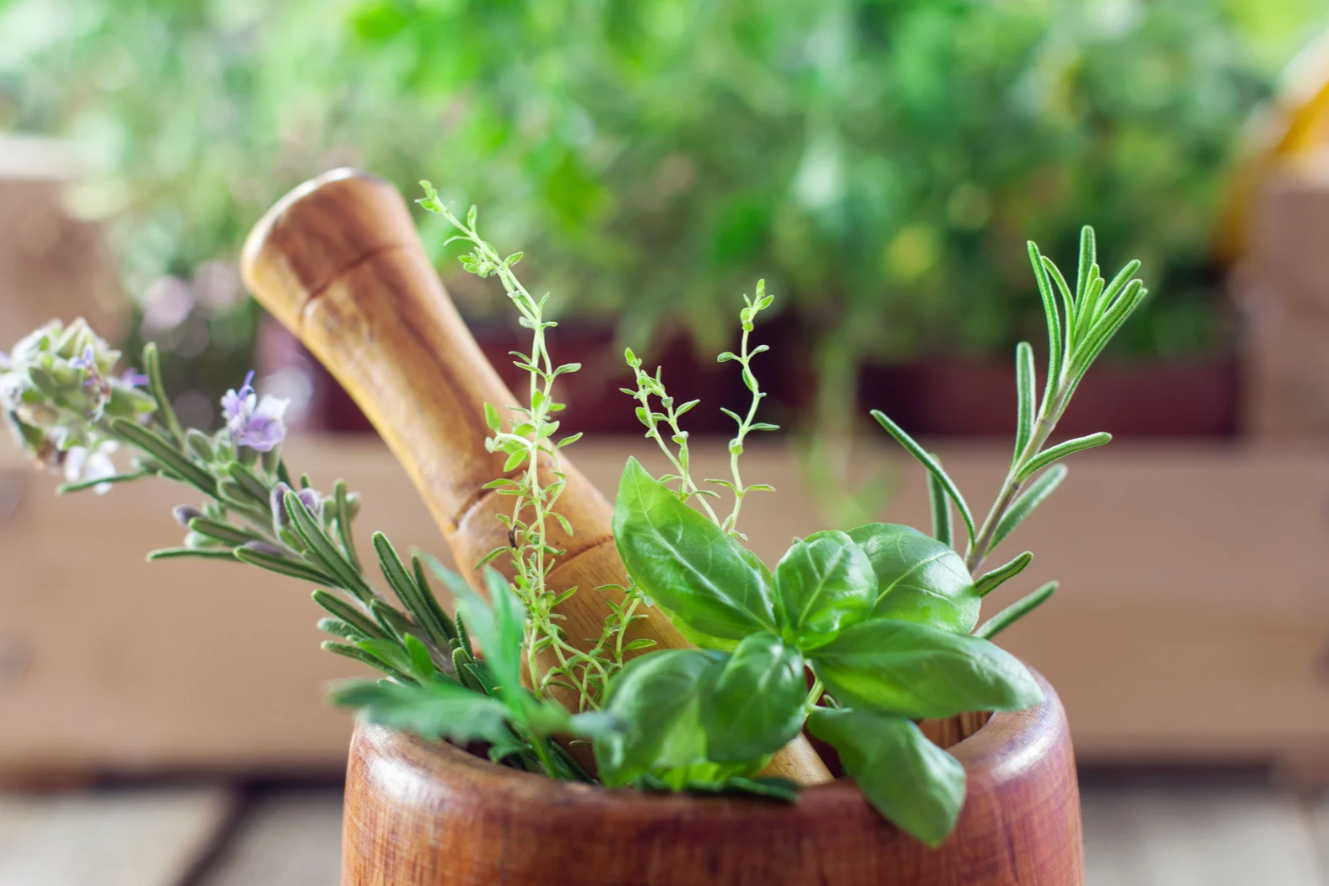
So what actually creates flavor when you're not relying on salt? In a botanical kitchen, the answer begins where nature begins — with herbs, citrus and umami. Fresh herbs deliver aromatic oils that reach the nose before the tongue — basil’s sweetness, rosemary’s piney warmth, thyme’s quiet earthiness, parsley’s bright green bite.
These volatile compounds create the perception of stronger flavor with far less salt. In winter, rosemary and thyme give broths a backbone. In spring, mint and chives lighten everything they touch. In summer, basil, tarragon and dill turn simple vegetables into something amazing. Herbs don’t just garnish a dish — they complete it.
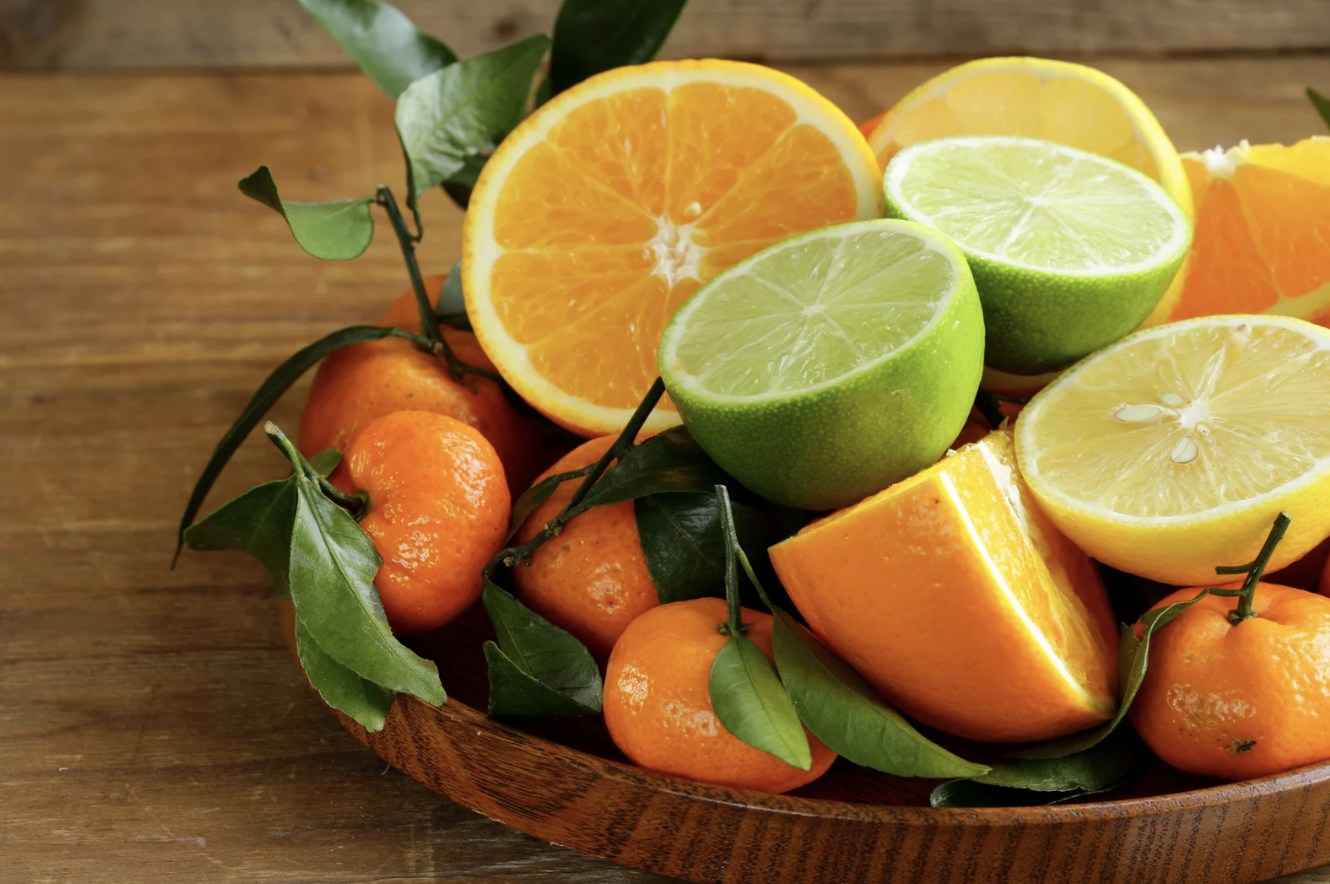
Then there is citrus and acid — the often-overlooked key to reducing sodium. A squeeze of lemon brightens the palate in the same way salt sharpens it. A splash of vinegar lifts a soup. A grating of zest intensifies aroma. Citrus activates the salivary glands, enhancing flavor perception without adding sodium at all. Think of lemon with greens, lime with grains, blood orange with roasted root vegetables, Meyer lemon with fish or vegetables. When cooking seasonally in a botanical kitchen, acidity is not an afterthought — it’s part of your flavor structure and your sensory architecture.
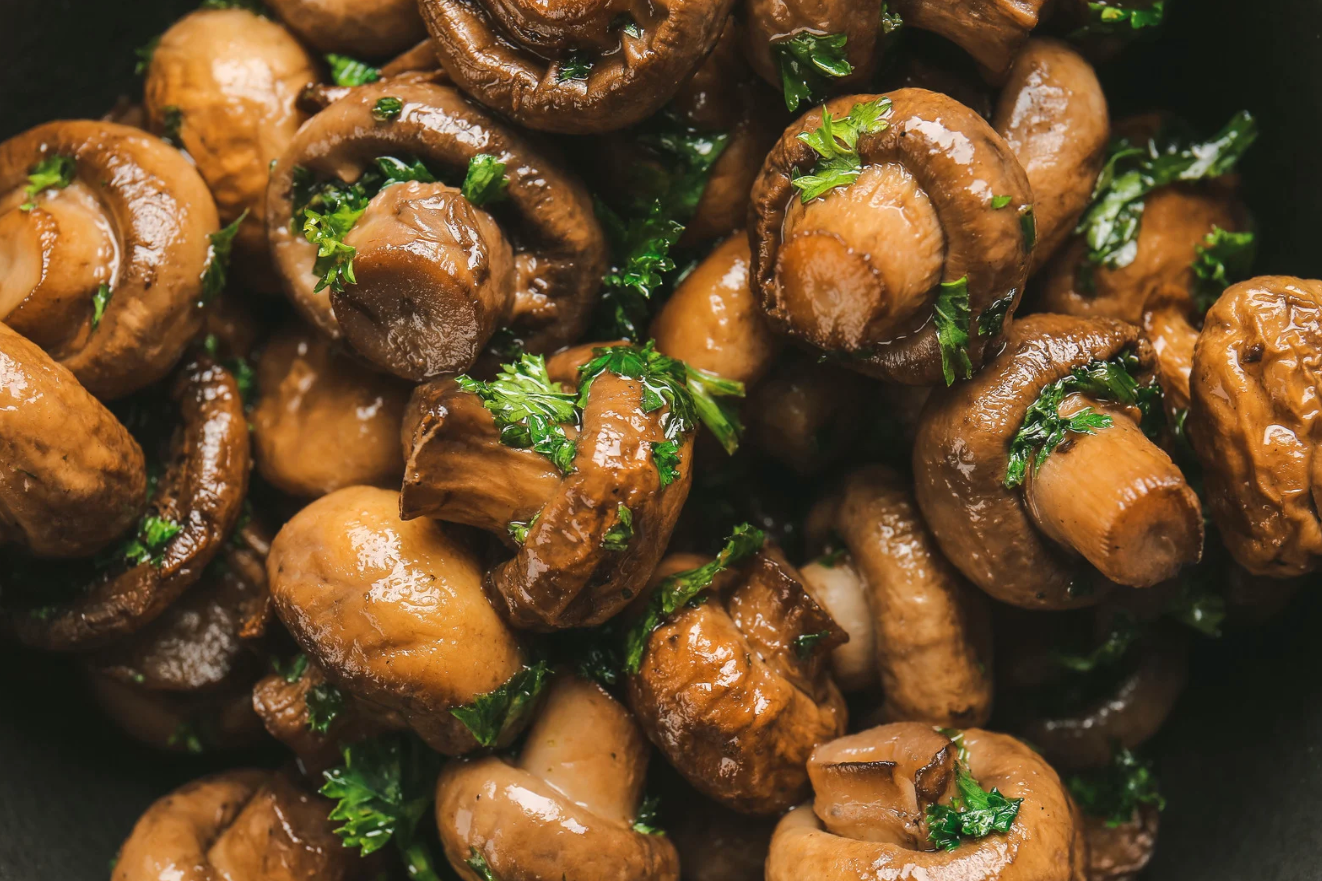
And of course: umami, the fifth taste (remember the other four — sweet, salty, sour and bitter). When you reduce salt, umami becomes essential. Mushrooms, miso, tomato paste, anchovies, Parmesan rinds, seaweed, slow-cooked onions — these deepen flavor and create savory satisfaction that salt alone can’t provide. A teaspoon of tomato paste caramelized in olive oil can replace an entire half-teaspoon of salt. A few sautéed mushrooms with garlic taste richer than a salted stew. Miso stirred into broth adds depth and minerals. These ingredients nourish the body with amino acids, micronutrients and natural compounds that enhance flavor more sustainably than salt.
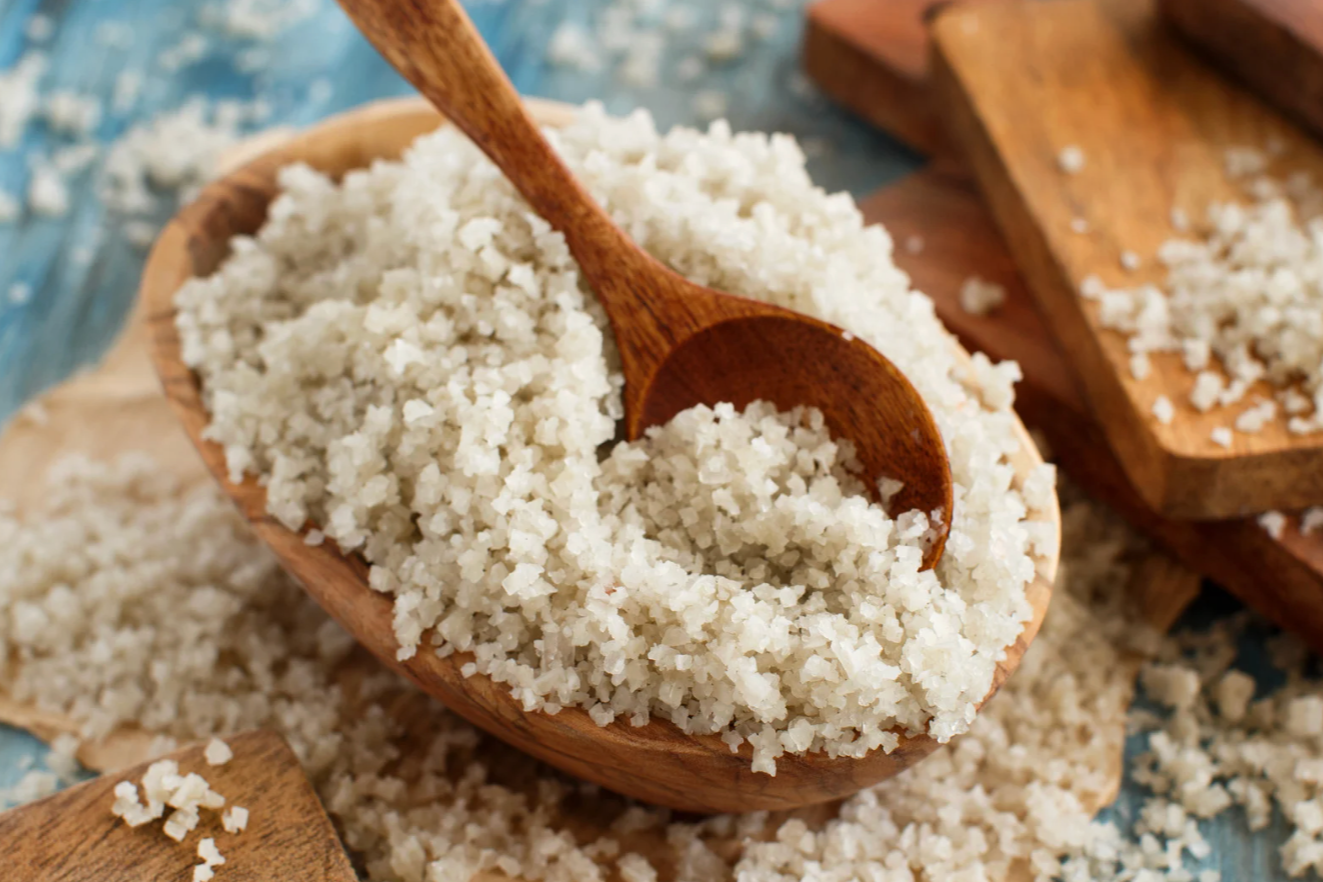
What about fancy salts — Himalayan pink salt, Celtic sea salt, mineral salts harvested in small batches? They do contain trace minerals like magnesium, calcium and potassium, but research is clear: they are still salt. Their mineral content can offer subtle benefits, and their texture can make finishing dishes more pleasurable, but they should still be used mindfully. In your kitchen, think of them as sensory tools — a few flakes of Maldon on a citrus salad, a pinch of smoked salt on roasted vegetables — not everyday workhorses.
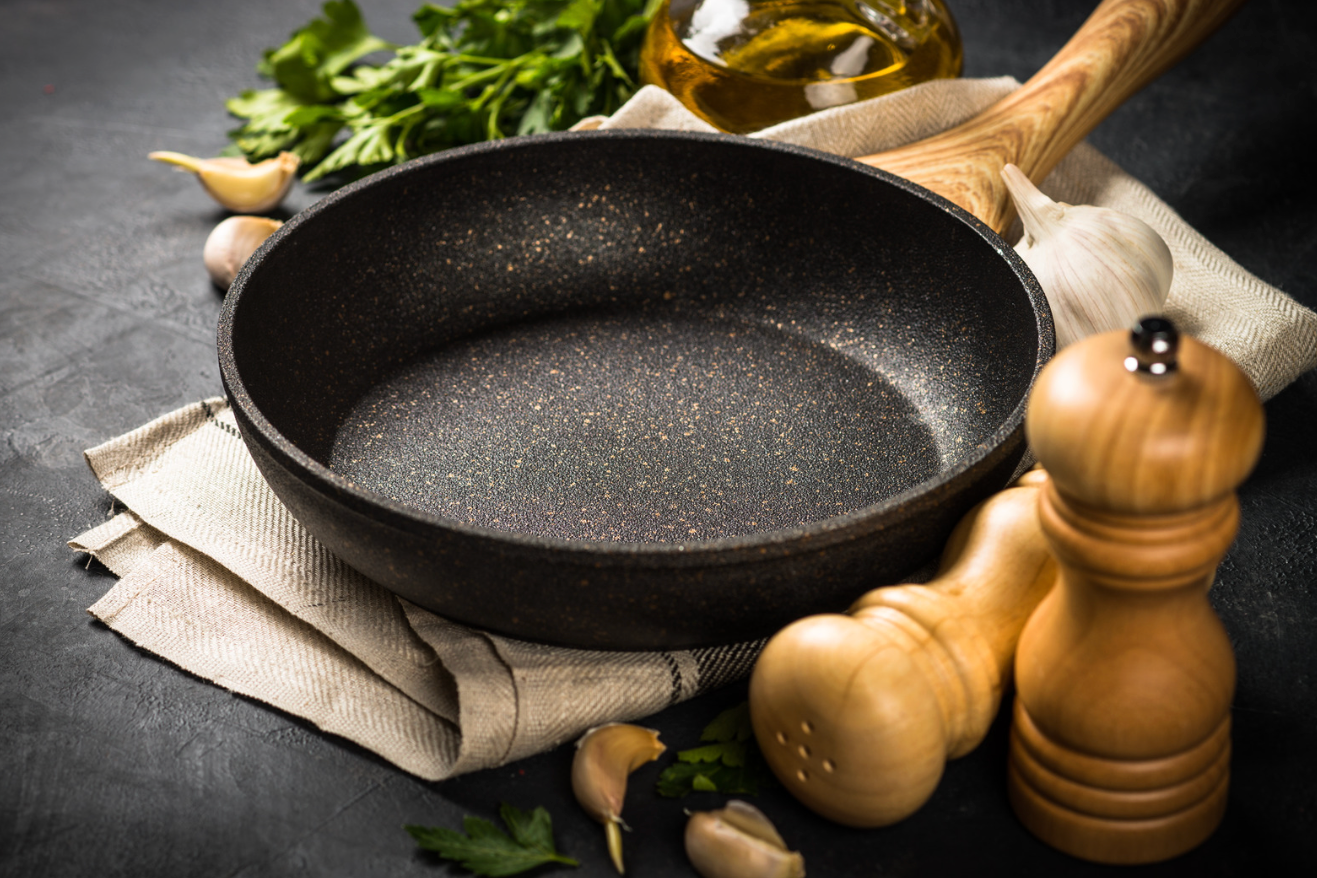
The goal of smart salt isn’t restriction. It’s rebalancing, rethinking and reawakening the senses. It’s about letting the ingredients speak for themselves — the brightness of lemon, the softness of basil, the depth of mushroom broth, the heat of toasted spices, the sweetness of summer tomatoes. When you season food botanically, you create nourishment that respects both palate and physiology. You honor the seasons, the body and the small rituals that make home cooking feel gratifying and alive.
In the end, smart salt is less about limiting something and more about expanding your flavor vocabulary. It’s about trading dependence for creativity, over-seasoning for sensory presence. And in that shift, you find something far more delicious than salt alone can offer: a kitchen that tastes like the seasons themselves — bright in winter, green in spring, abundant in summer and deeply grounding in fall.