
In winter, our bodies start asking for a different kind of hydration. Not ice cubes or cold glasses of water — but warmth. Soft heat. Something that feels like it settles into all the places that feel tense or tired. If you’ve ever wrapped your hands around a steaming mug and felt yourself exhale, you already know: hydration has a season and winter hydration is almost always warm, savory and deeply soothing.
What’s interesting is that 2025’s biggest wellness trend — functional teas, broths and sipping soups — is really just a return to the basics. To the things cooks and herbalists have done forever. We forget that hydration isn’t just about water — it’s about what you carry in that water. Minerals. Amino acids. Plant compounds. Gentle nourishment that supports the body slowly and steadily. And the beautiful part? None of it needs to be complicated.
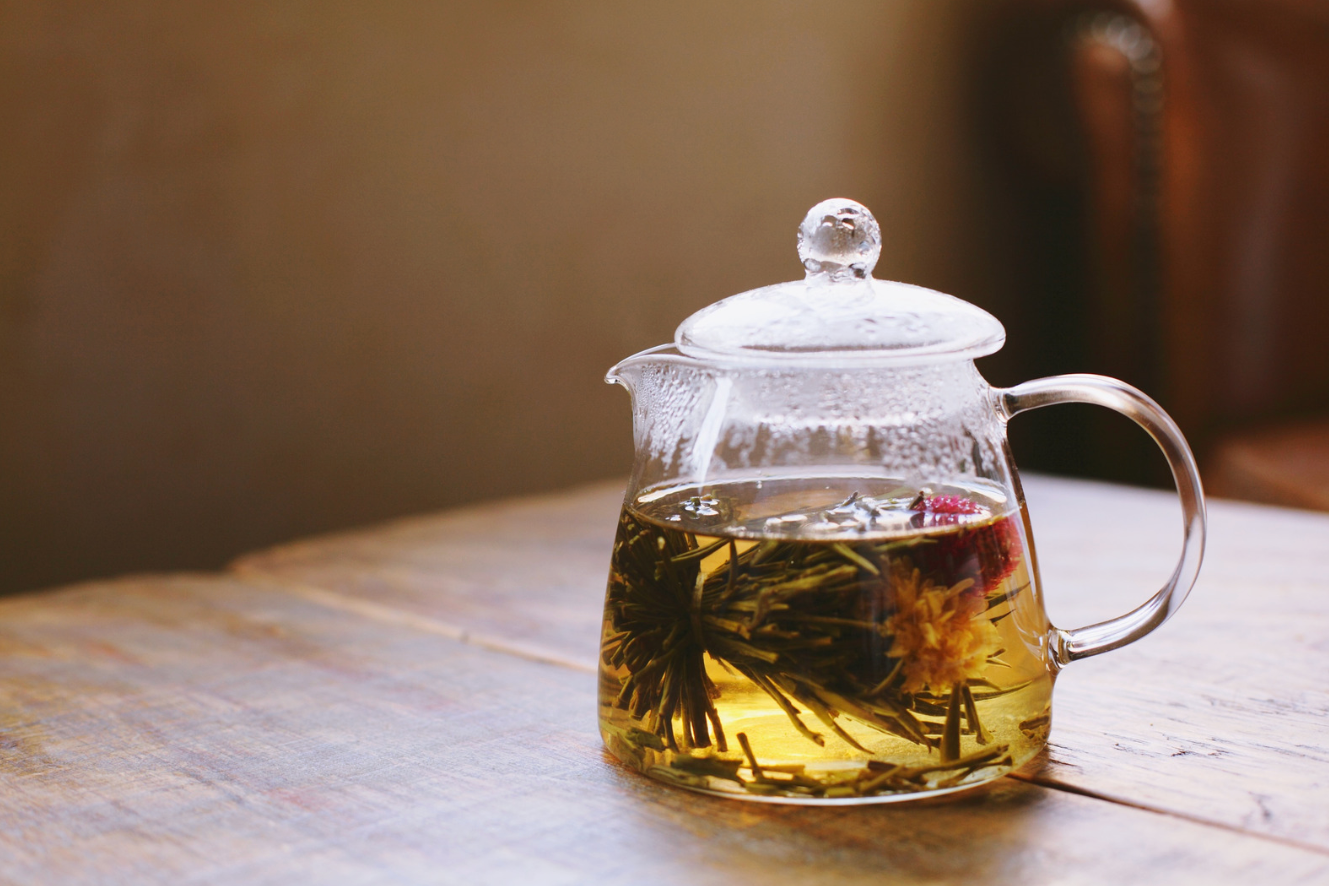
Take herbal teas. Ginger brings warmth and circulation. Peppermint relaxes tension you didn’t realize you were holding. Basil’s volatile oils soothe frazzled nerves. Calendula supports the lymph system. Dandelion gives the liver a nudge in the right direction. When you pour hot water over these plants, you’re not making a beverage — you’re making an extraction, coaxing color, flavor and therapeutic compounds out of something simple and alive.
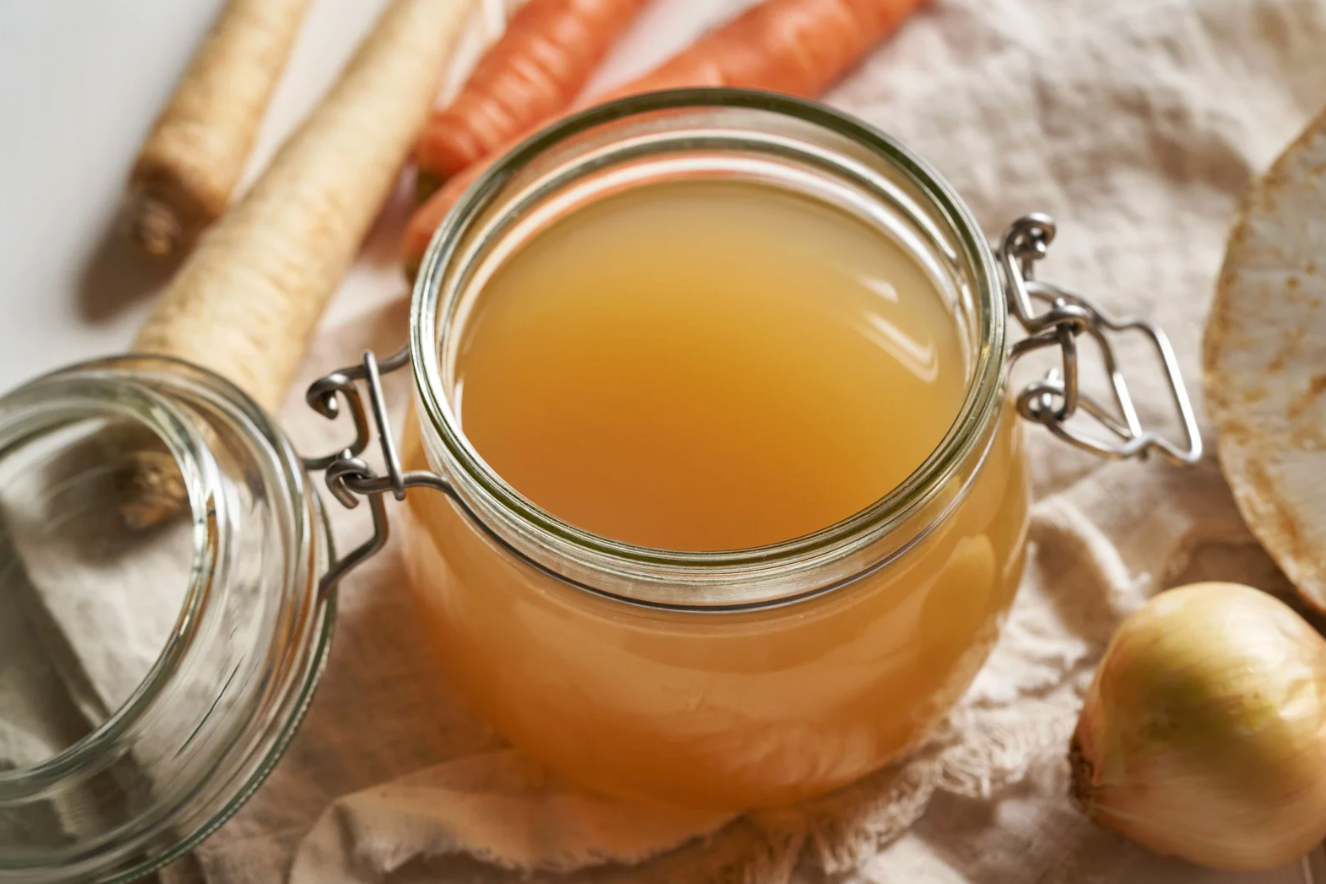
But the most exciting part of this trend — and the place where flavor and nourishment meet in that perfect way — is the world of broths and sipping soups. A slow-cooked bone broth pulls collagen, minerals and amino acids into something savory and restorative. A vegetable broth built on mushrooms, seaweed and onions creates a kind of natural electrolyte solution: potassium, magnesium and those wonderful natural glutamates that give umami its round, comforting depth. When you taste a good broth, you feel it — not just on your tongue, but all the way down.
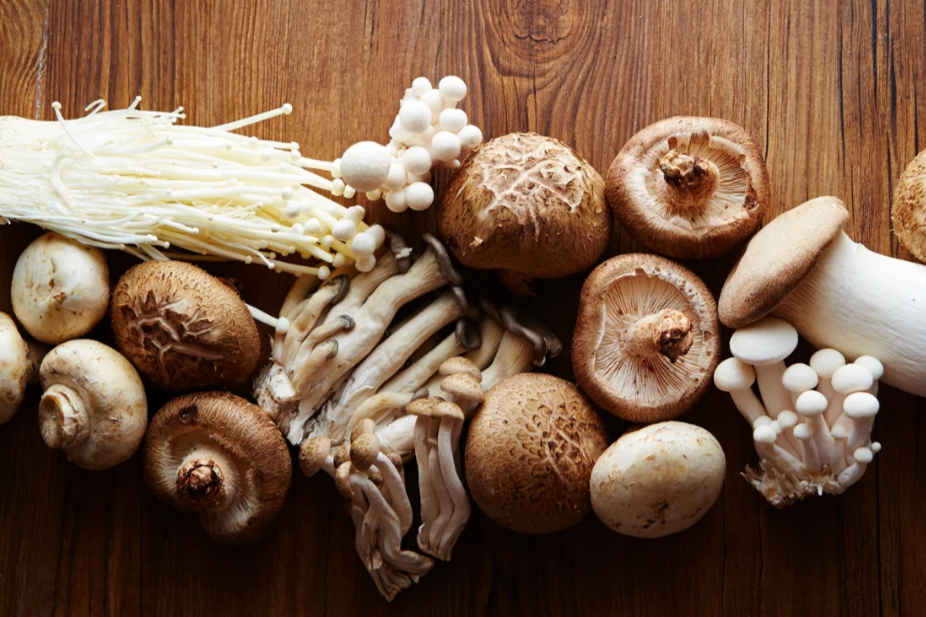
Medicinal mushroom broths go even deeper. Shiitake, maitake, reishi and lion’s mane have beta-glucans — long-chain sugars that support immune function and help regulate inflammation. The trick is to treat mushrooms the way you’d treat delicate tea leaves: steep, don’t boil. Gentle extraction preserves their therapeutic compounds while pulling out their savory, earthy richness. It’s culinary, but also a little magical — the kind of thing you sip and think “Oh… this is exactly what my body wanted.”
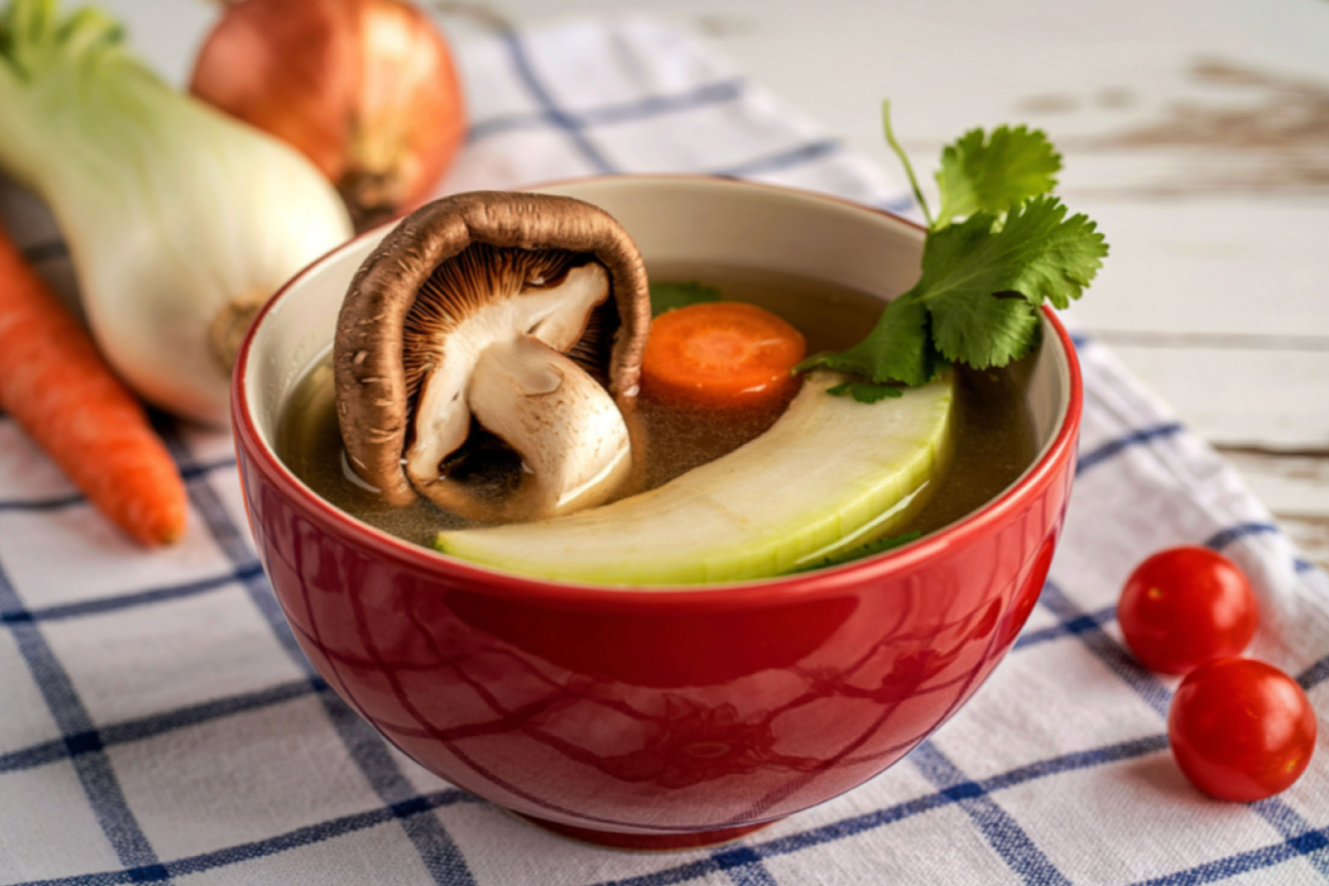
And then there are sipping soups — the unsung heroes of winter. Lighter than stew, more substantial than tea, they’re perfect for the late afternoon moment when you need something warm but not heavy. Think soft aromatics, blended vegetables, herbs steeped instead of sautéed, a little fat for absorption and maybe a squeeze of citrus for brightness. These soups offer hydration and minerals, but also the one thing winter cooking needs most: comfort without weight.
And because I know you love practical nourishment, here are two winter-functional recipes developed just for you:
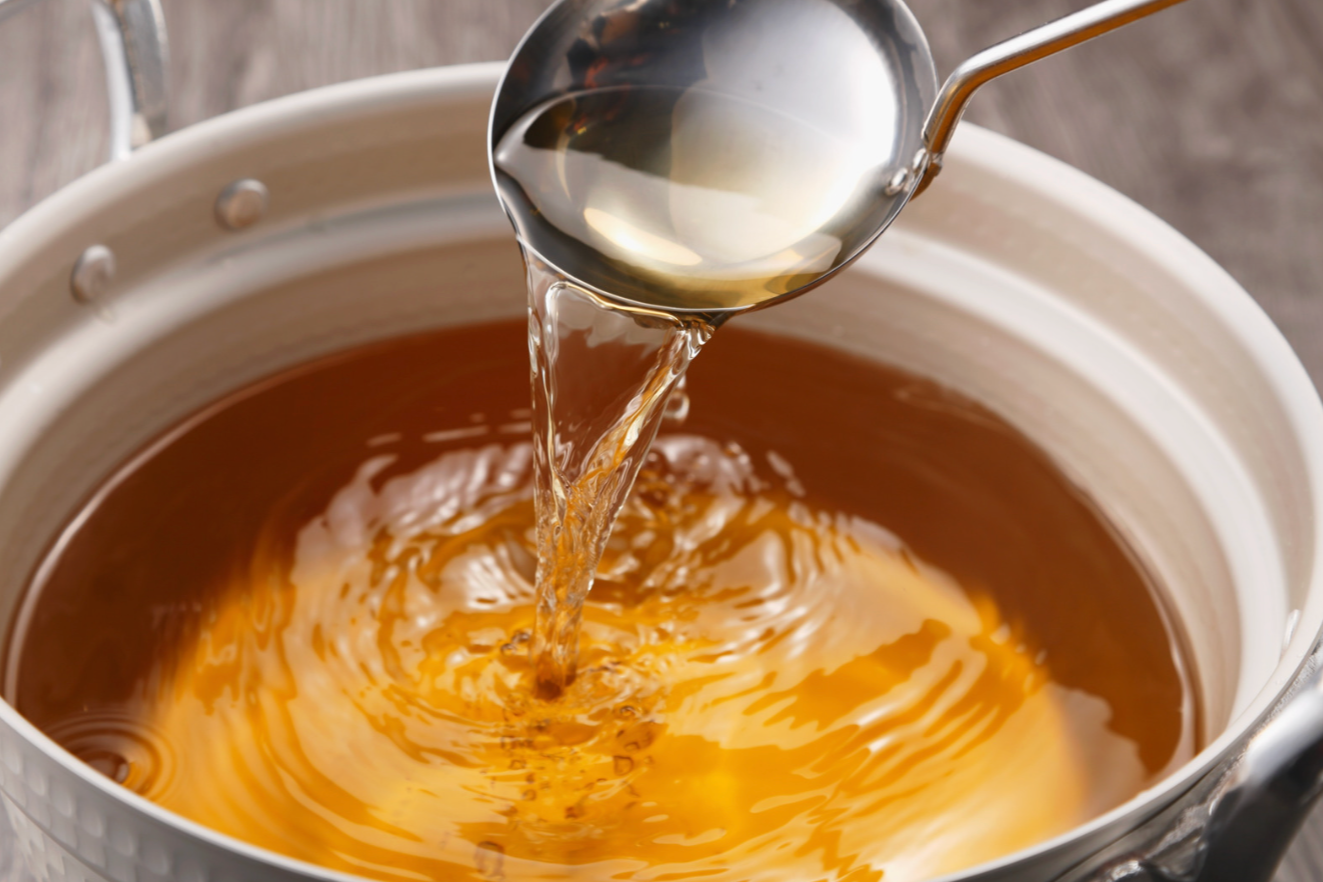
Mushroom-Ginger “Steeping Broth”
This is a broth made like tea — steeped, not boiled — to preserve beta-glucans and aromatics. It’s deeply savory, gently spicy and beautifully hydrating. Serves 2 to 3.
Ingredients
2 cups very hot (just below simmering) water
4 dried shitake caps, rinsed
1 tbs thinly sliced fresh ginger
1 strip lemon peel (no pith)
1 tsp white miso
2 sprigs fresh thyme or rosemary
Pinch of flaky salt
Method
Place shitake, ginger, lemon peel and herbs in a heatproof bowl or teapot.
Pour hot water over and let steep 20 minutes — covered.
Strain into cups.
Dissolve miso into each serving right before drinking.
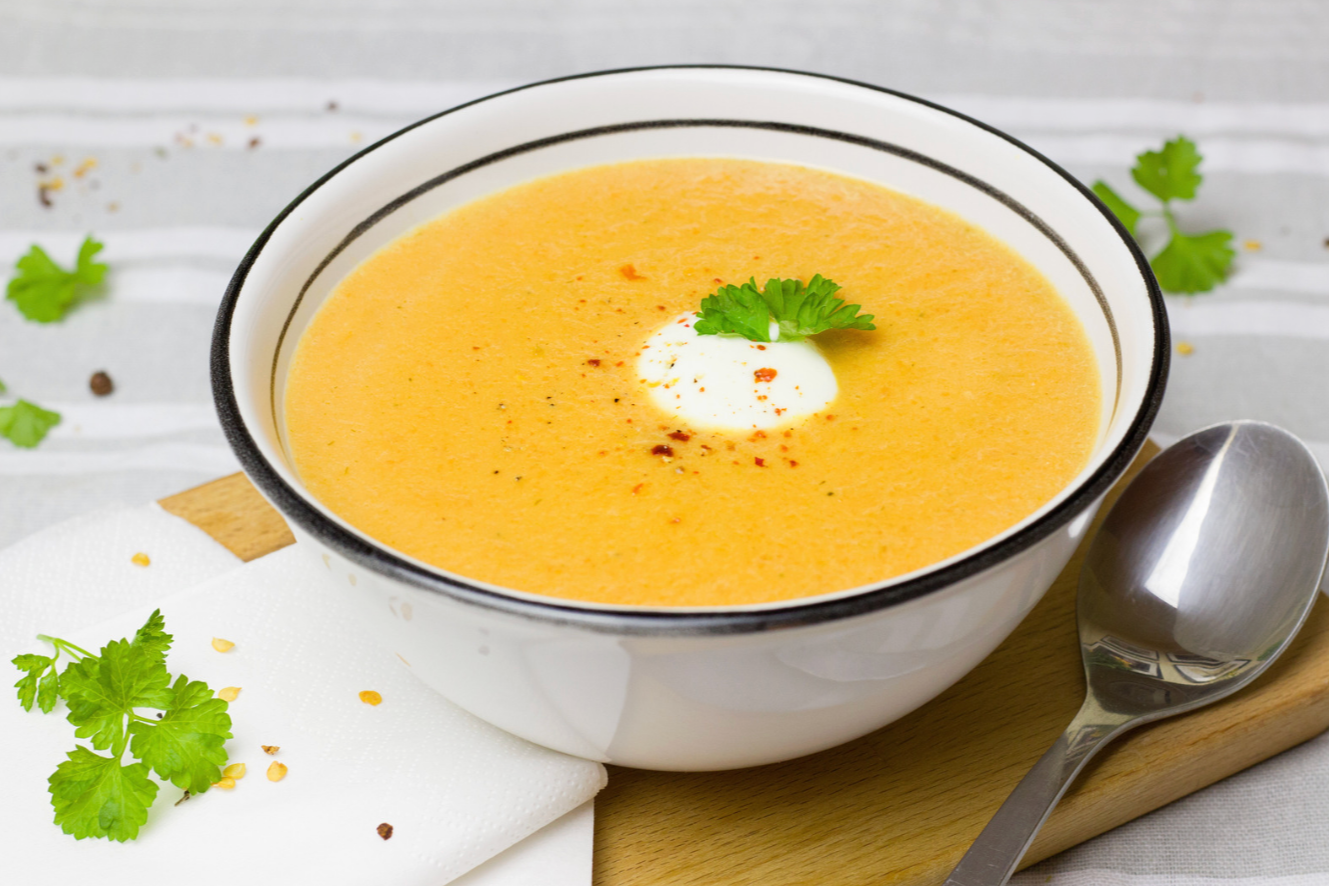
Silky Carrot-Calendula Sipping Soup
Calendula adds a soft, honeyed earthiness and gut-supportive properties. It’s soothing for digestion — bright but gentle. And feels like velvet and sunshine. Serves 2.
Ingredients
3 medium carrots, sliced
1 small shallot, thinly sliced
1 1/2 cups vegetable broth or water
1 tbs dried calendula petals
1 tsp grated fresh ginger
1 to 2 tbs olive oil
1/2 tsp apple cider vinegar
Sprinkle of fresh basil or parsley (optional)
Method
Add carrots, shallot and broth to a small pot. Bring to a gentle simmer and cook until carrots are soft.
Turn off heat. Add calendula petals and ginger. Cover and let steep 10 minutes.
Blend until silky with olive oil and vinegar.
Taste and adjust — a little more vinegar for brightness, a swirl of olive oil for richness.

What I love most about this whole movement is that it gives us permission to slow down and pay attention. When you sip something warm — whether it’s ginger tea, mushroom broth or a silky carrot soup — you can feel your body respond. You can taste what’s missing, what’s balanced, what’s soothing. You can, in the most literal way, season to your senses. And maybe that’s why functional hydration has become a wellness cornerstone: it gives us a way to take care of ourselves that feels nourishing, intuitive and wonderfully human.
Warm drinks in winter do more than hydrate. They comfort us. They connect us to the season. They ask us to pay attention — to flavor, to feeling, to the quieter signals that say “This is what I need.” And that’s a kind of healing that doesn’t come in a packet or a bottle. It comes from the plants, the bones, the mushrooms, the aromatics . . . and the beautiful, everyday ritual of simply heating water.