Why Ingredient-First Cooking Still Matters
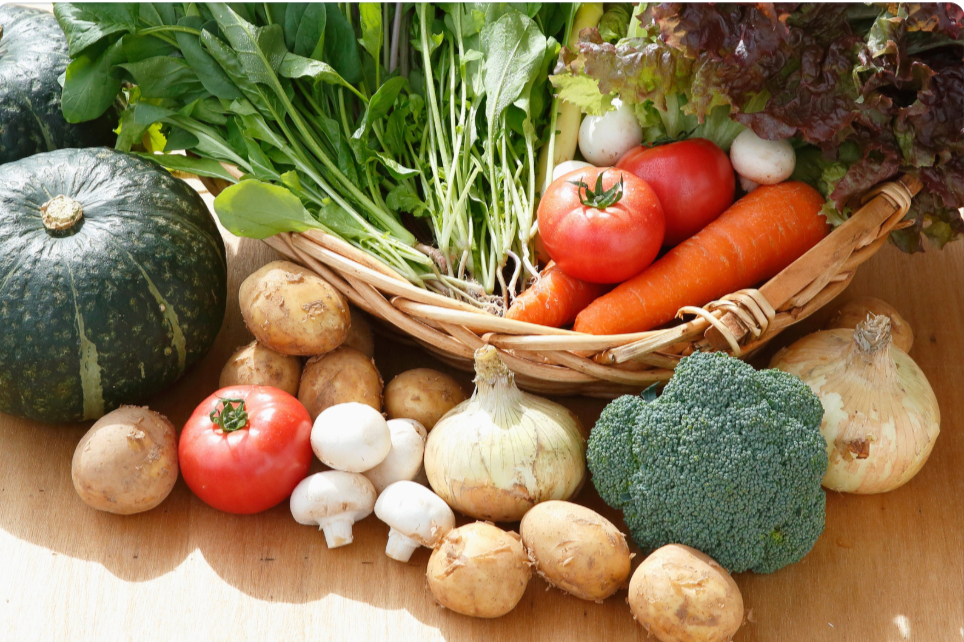
I’ve written before about my food philosophy — about why I believe how we eat matters just as much as what we eat and why ingredient quality sits at the center of that belief. That way of thinking didn’t come from trends or rules, but from years of paying attention to which foods feel grounding, which feel unnecessary and how often simplicity delivers more than excess. When I think about those ideas now, it’s impossible not to see how much influence Alice Waters still has over me. Her work has long reflected the same conviction: that nourishment begins with attention to the ingredient itself — how it’s grown, when it’s harvested and how carefully it’s handled. In a food culture that often prioritizes speed, convenience and novelty, her approach feels steady and relevant.
(If you’d like context for how I think about this more broadly, you can read my post My Food Philosophy.)
What Ingredient-First Cooking Really Means
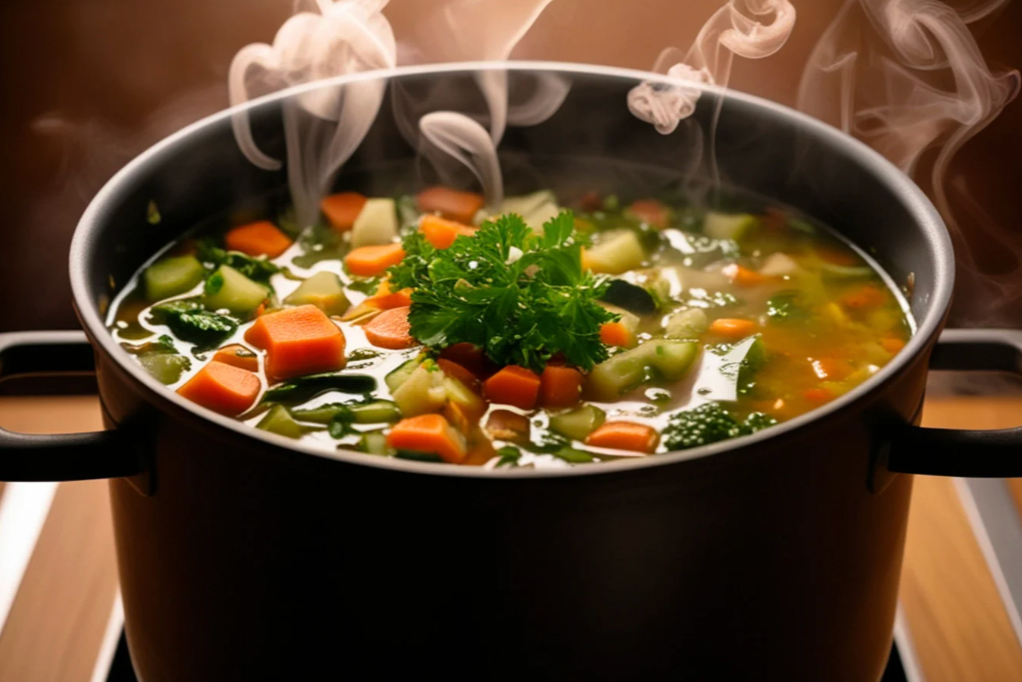
Ingredient-first cooking isn’t about doing less for the sake of minimalism. It’s about deciding what matters most. When an ingredient is grown well and harvested at the right time, it doesn’t need much intervention. The cook’s role becomes one of support rather than control — tasting, adjusting and knowing when to stop.
Over time, this way of cooking builds confidence. You rely less on rigid recipes and more on recognition. You learn how ingredients behave, how they respond to heat, salt and acid, and when they already have balance on their own.
Simplicity, Restraint & Flavor
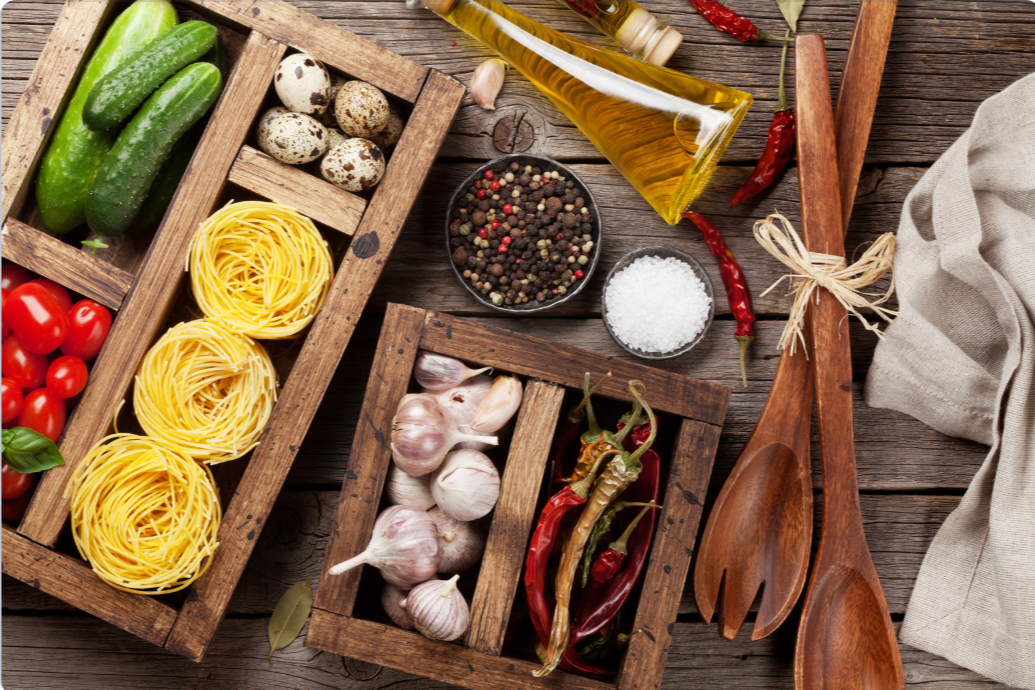
One of the most misunderstood aspects of Alice Waters’ philosophy is simplicity. It’s often confused with austerity, when in reality it requires discernment. Knowing when an ingredient has enough going for it. Knowing when not to add.
I’ve explored this idea through individual ingredients before — especially in my blog post Extra Virgin Olive Oil: Liquid Gold, where freshness and restraint completely change how a dish tastes. The same principle applies across the kitchen: fewer ingredients, chosen well, often lead to deeper flavor and greater satisfaction.
Seasonality as a Way of Paying Attention
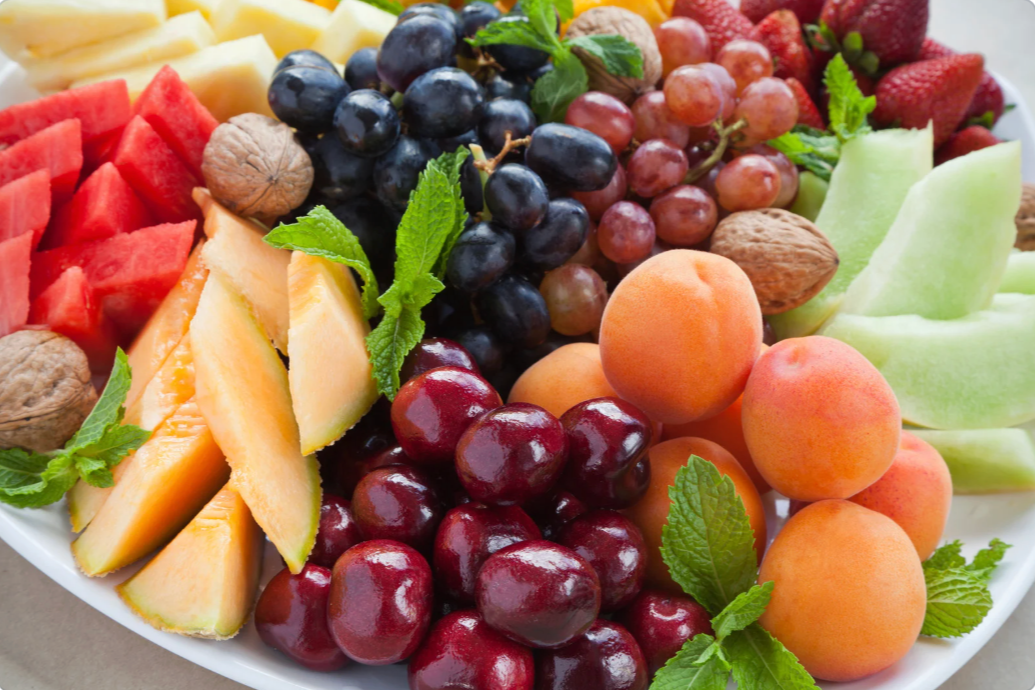
Seasonality plays a central role in ingredient-first cooking. When we cook with what’s actually available, flavor changes throughout the year. Early greens taste sharper and more mineral. Summer fruit is sweeter and juicier. Winter foods bring depth and warmth.
Cooking this way encourages us to stop expecting sameness year-round. Instead, we learn to respond — to notice how ingredients behave in different seasons and how our preferences shift along with them. That awareness makes cooking feel more responsive and less formula driven.
Ingredient Quality & the Eating Experience
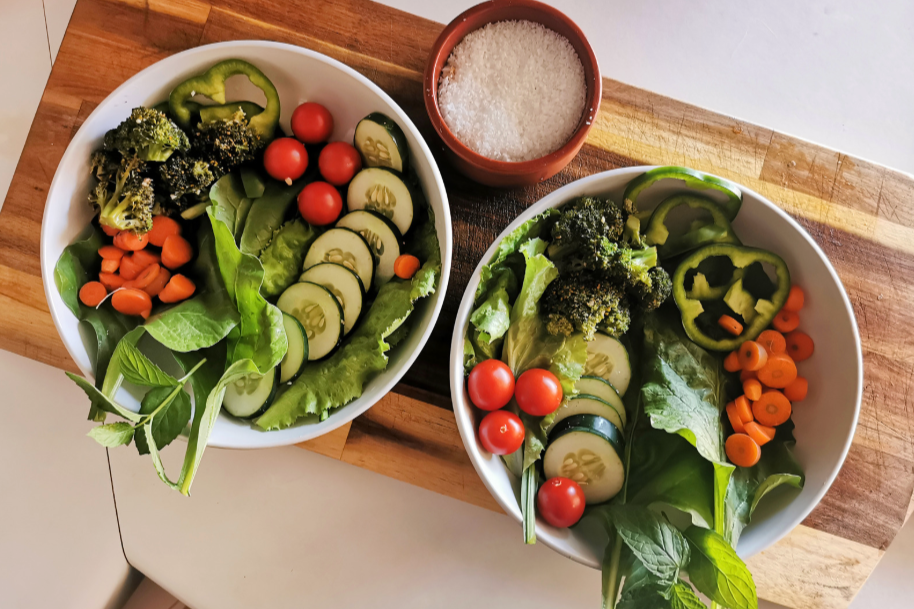
What I appreciate most about ingredient-first cooking is how it shapes the experience of eating. Meals built around whole, thoughtfully chosen ingredients tend to feel satisfying without being heavy. They don’t rely on excess seasoning or stimulation to hold attention. Paying attention to quality has real benefits.
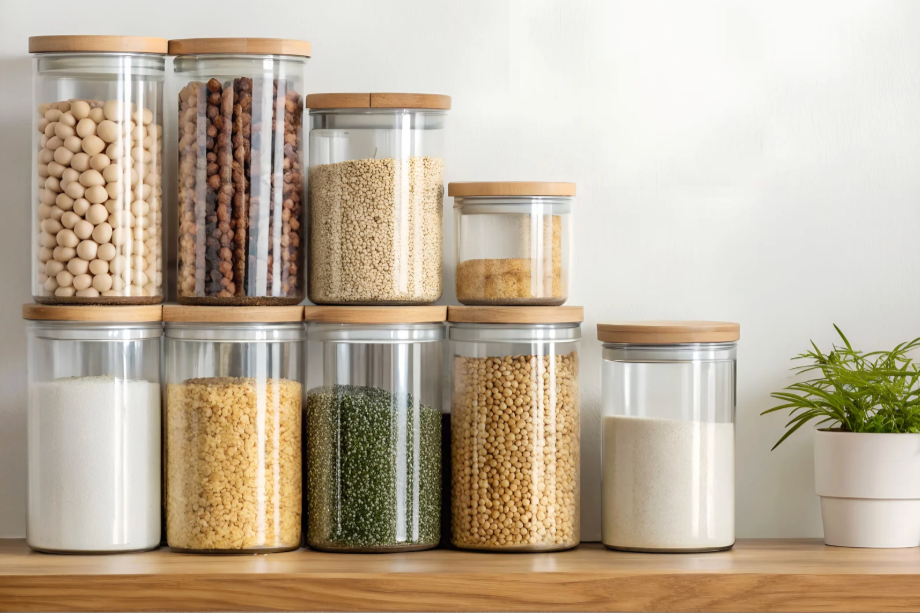
And this same attention to quality can be used to your advantage where you least expect it. Like where I look at simplifying the kitchen in my post on Kitchen Minimalism: How to Streamline Your Cooking Space, or where I explore how plants support us in posts like Calendula: Flower Power for Your Face. Quality has a way of making things feel clearer.
Ingredient Values Beyond the Kitchen
Once you begin paying attention to ingredient quality in the kitchen, it’s natural for that awareness to carry into other parts of daily life. You start noticing what feels unnecessary, what feels excessive and what genuinely adds value.
This isn’t about lifestyle rules or perfection. It’s about attention. The values that guide ingredient-first cooking tend to follow us quietly, shaping how we think about daily routines — what we keep, what we let go of and what we consider genuinely worth it.

Why Alice Waters’ Philosophy Endures
Alice Waters’ influence has lasted because it isn’t built on trends. Ingredient integrity, seasonality and restraint don’t age out. They continue to make sense, regardless of what’s fashionable.
For me, her work remains a reminder that nourishment doesn’t have to be complicated to be meaningful. Often, it’s the simplest choices — made with care — that last.
The Ingredient-First Cooking Guide
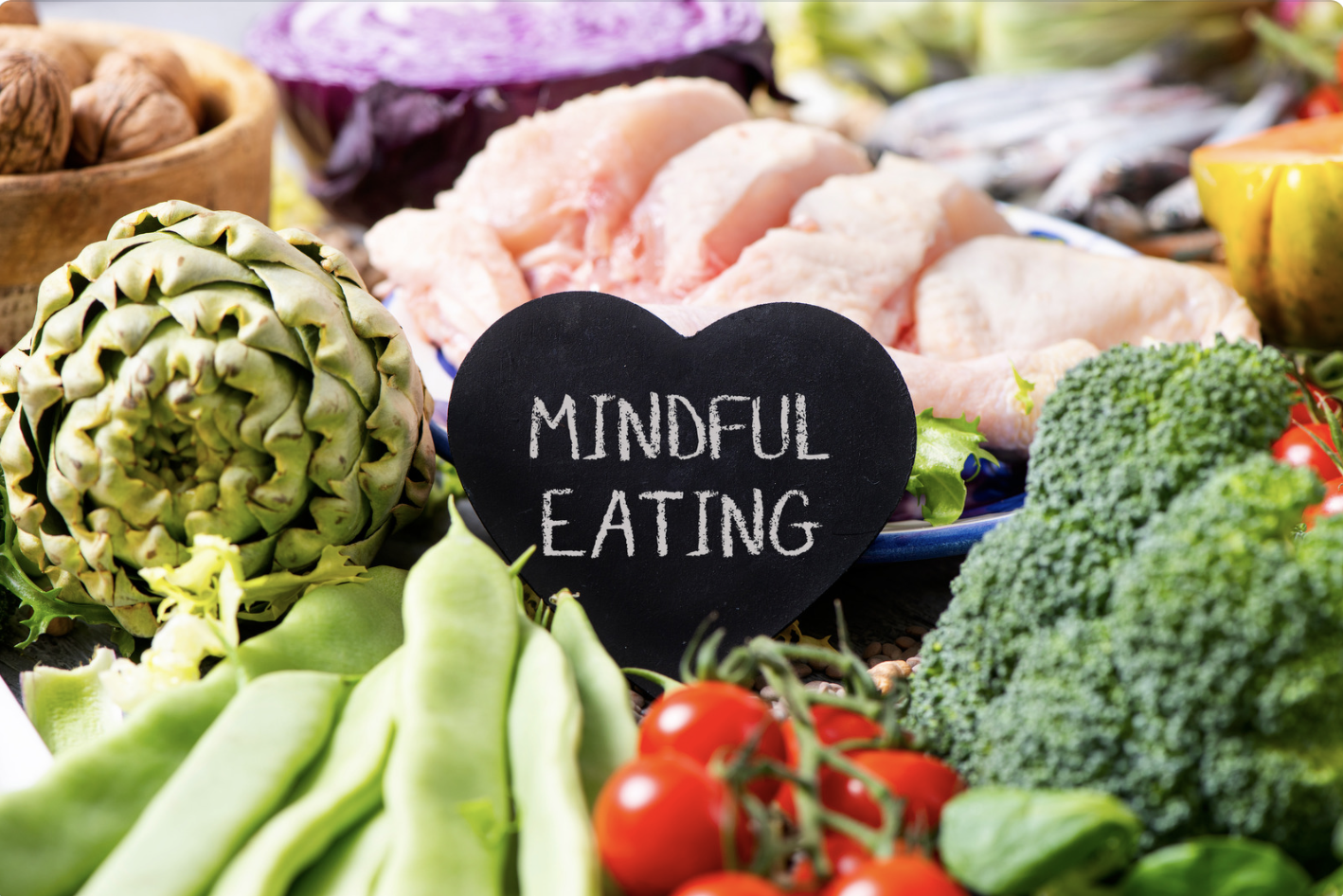
If ingredient-first cooking resonates with you, I’ve created a simple, one-page guide that outlines the core principles I return to again and again: how to chose ingredients with integrity, how to build flavor without excess and how to keep cooking grounded and practical.
List of Related Blog Posts
My Food Philosophy
https://cathleenrsmith.com/the-blog/my-food-philosophyExtra Virgin Olive Oil: Liquid Gold
https://cathleenrsmith.com/the-blog/extra-virgin-olive-oilKitchen Minimalism: How to Streamline Your Cooking Space
https://cathleenrsmith.com/the-blog/kitchen-minimalismCalendula: Flower Power for Your Face
https://cathleenrsmith.com/the-blog/calendula