Cooking for Steady Energy
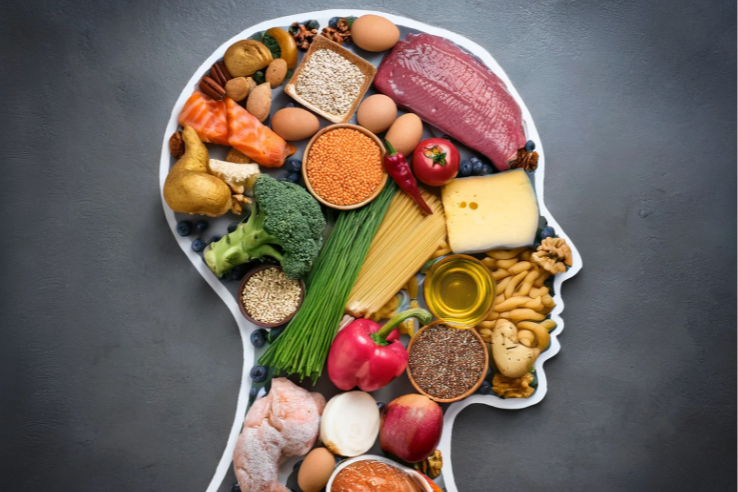
Why the Kind of Energy We Chase Often Works Against Us
Many conversations about food and energy focus on stimulation. Coffee to wake up. Something sweet to push through the afternoon. Meals designed to deliver a quick lift rather than something that lasts. The result is familiar: a brief surge of alertness followed by the quiet crash that inevitably follows.
But the kind of energy most people are actually looking for isn’t intensity. It’s steadiness — the ability to move through the day without dramatic spikes or sudden fatigue. Cooking with that goal in mind changes the way meals come together. Instead of asking what will wake us up, we begin asking a different question:
What will allow the body to move steadily forward?
The Role Flavor Plays in Real Satisfaction
One of the most overlooked contributors to steady energy is flavor itself. When a meal feels complete — balanced with fat, protein, acidity, bitterness and aroma — the body tends to recognize that satisfaction quickly. Hunger settles. Cravings soften. The urge to keep reaching for something else often disappears.
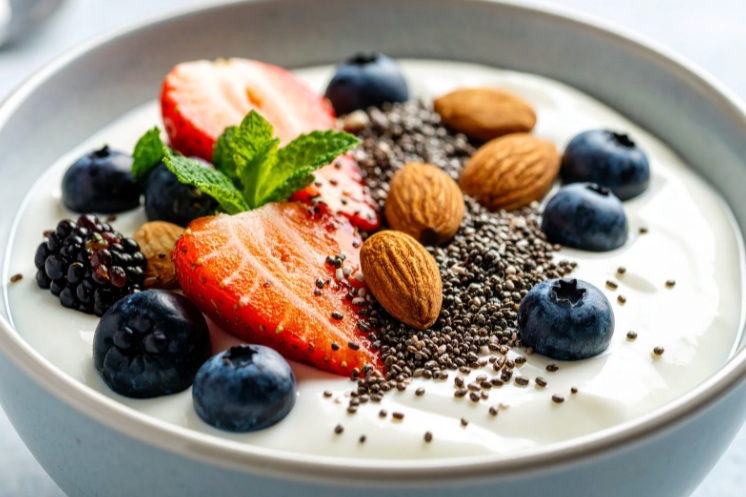
This is one reason simple, well-balanced meals can feel surprisingly sustaining. A bowl of warm grains finished with herbs and olive oil. Vegetables roasted until their sweetness deepens. Yogurt with fruit and a handful of nuts. These meals aren’t dramatic, but they hold together in a way the body understands.
Flavor, in other words, does more than please the palate. It helps signal that the meal is enough.

Why Overstimulation Drains More Than It Gives
Highly stimulating foods — intense sweetness, heavy caffeine, aggressively processed snacks — tend to wake the senses quickly. They are designed to. But the body has to work just as quickly to manage the effects.
Blood sugar rises sharply, then falls. Hunger returns sooner than expected. The brief lift fades and fatigue follows.
None of this means food should be dull or bland. Quite the opposite. Meals become far more satisfying when flavor is present. But the body tends to respond best to meals that are balanced rather than overwhelming.

Calm Inputs Create Steadier Days
Meals built from recognizable ingredients tend to place less demand on the body. Whole grains, vegetables, legumes, eggs, herbs, citrus, olive oil — these are foods the body processes with relative ease. Energy unfolds gradually rather than arriving all at once.
There is also something quietly calming about cooking this way. Fewer ingredients. Clearer flavors. Less decision-making in the kitchen. Over time, meals begin to feel less like a series of choices and more like a rhythm — something I explored further in my post on creating calm through slow cooking.
The body seems to respond to that rhythm in kind.

Energy That Follows the Pace of the Day
Another shift happens when meals begin to follow the natural flow of the day. A warm breakfast that wakes the digestive system gently — the same principle behind many warming broths and teas. A midday meal that feels balanced rather than heavy. An evening meal that supports rest rather than stimulation.
These rhythms mirror what the body already knows how to do. Instead of pushing energy upward with sugar or caffeine, meals simply support the body’s existing pace.
Flavor still plays an essential role here. Herbs, citrus and bitterness keep meals interesting without pushing them toward excess. They add brightness without overwhelming the senses — the same principle that guides seasonal cooking with edible flowers.

The Quiet Strength of Steady Energy
Meals that support steady energy rarely look impressive at first glance. They’re usually the ones we cook again and again: vegetables with olive oil and herbs, grains and legumes, soups, eggs, yogurt with fruit. Familiar foods prepared simply, with enough attention to flavor that they feel complete.
Over time, these meals create a different relationship with energy. Instead of chasing stimulation, the body begins to rely on stability. Days feel more even. Focus becomes easier. And cooking becomes less about finding quick fuel and more about creating meals that quietly support the way we want to live.
Steady energy doesn’t come from intensity. It comes from balance — from meals that allow the body to move through the day with clarity, calm and consistency.
Related Blog Posts
Extra Virgin Olive Oil: Liquid Gold
https://cathleenrsmith.com/the-blog/extra-virgin-olive-oilNew Kitchen Calm: How Slow Heat Becomes a Daily Ritual (and Why it Matters)
https://cathleenrsmith.com/the-blog/kitchen-calmWinter Hydration: Functional Teas, Broths & Sipping Soups
https://cathleenrsmith.com/the-blog/winter-hydrationA Year of Edible Flowers: What to Cook, Preserve & Sip in Every Season
https://cathleenrsmith.com/the-blog/year-of-edible-flowers