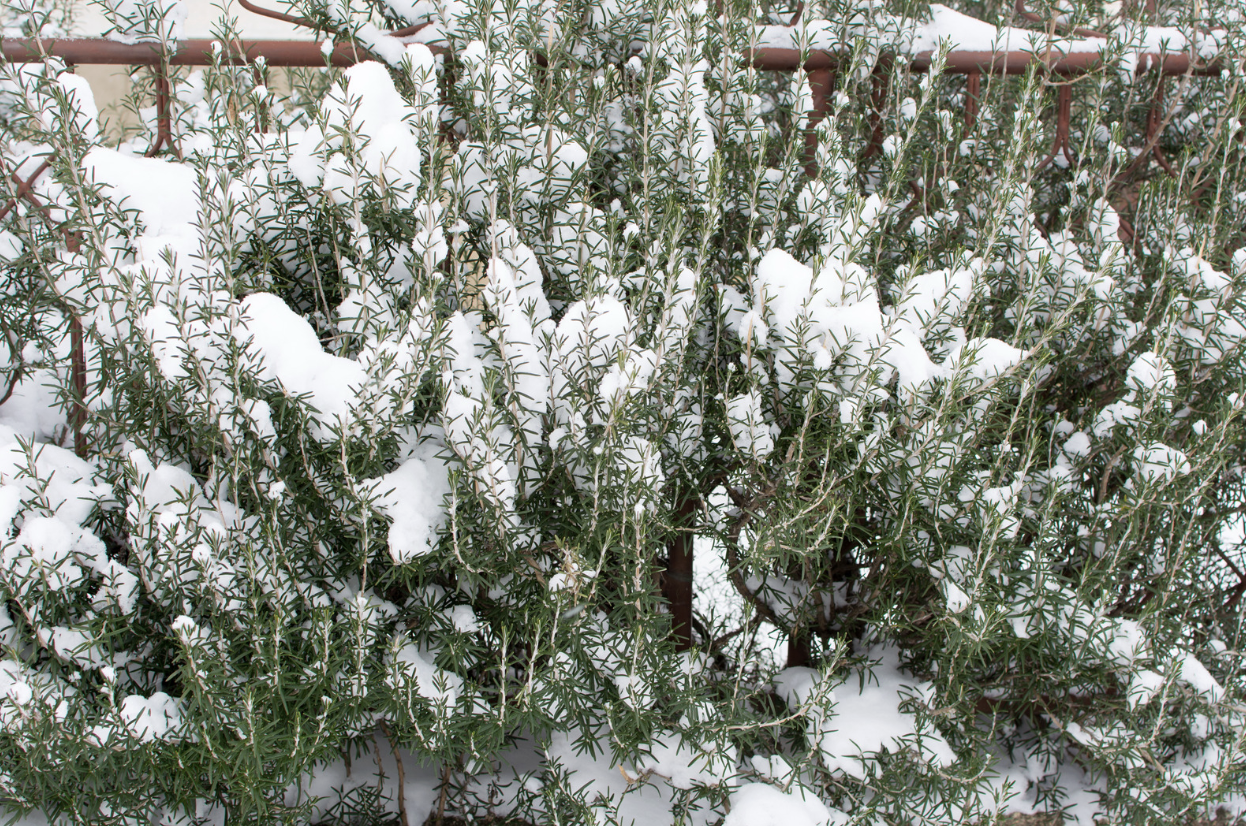
Why Winter Nourishment Requires a Different Approach
Winter has always asked something different of the kitchen. Gardens slow down, farmers’ markets grow quieter, and many of the bright greens we rely on through the warmer months become less available. In earlier generations, this season meant relying heavily on storage crops and preserved foods.
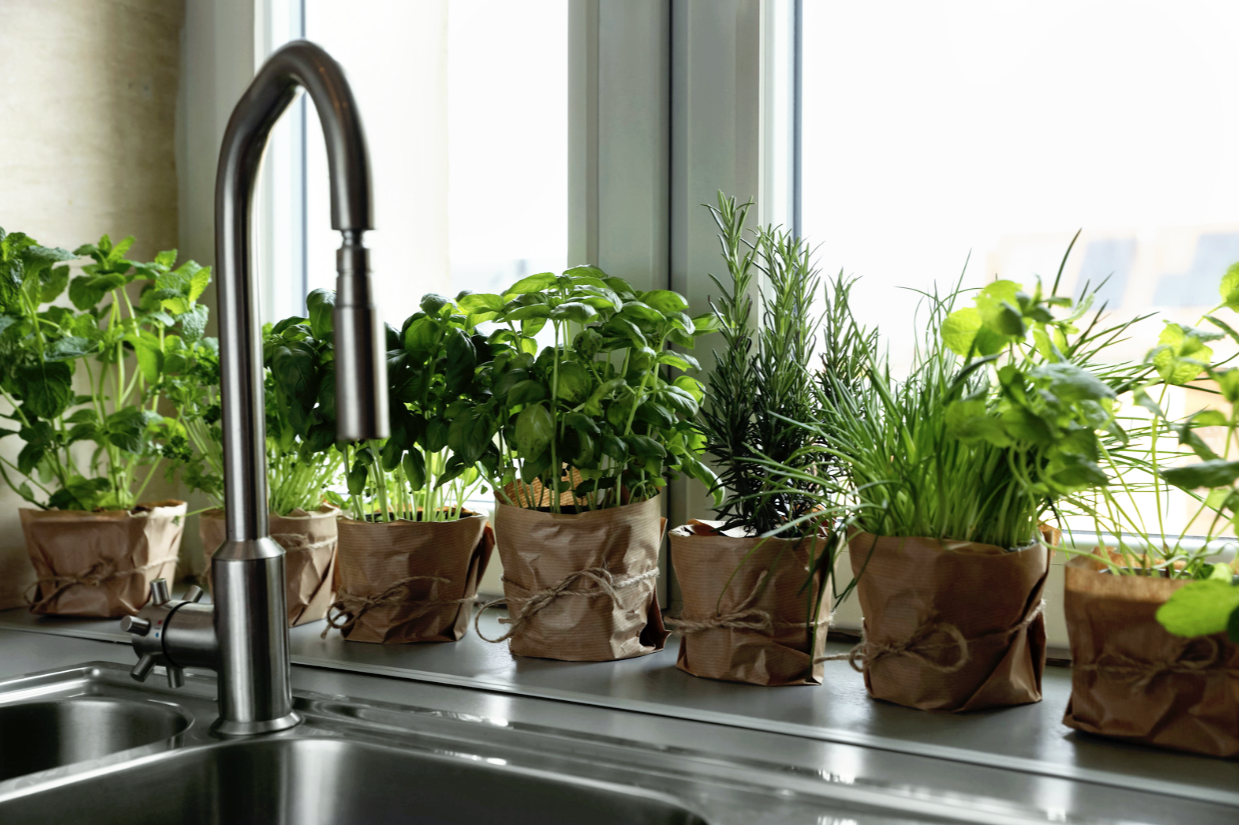
But today, winter doesn’t have to mean the absence of fresh plants. With a little attention, the kitchen itself can become a small greenhouse — a place where herbs, sprouts and microgreens continue growing even when the outdoor garden is resting.
Fresh Greens When the Outdoor Garden Pauses
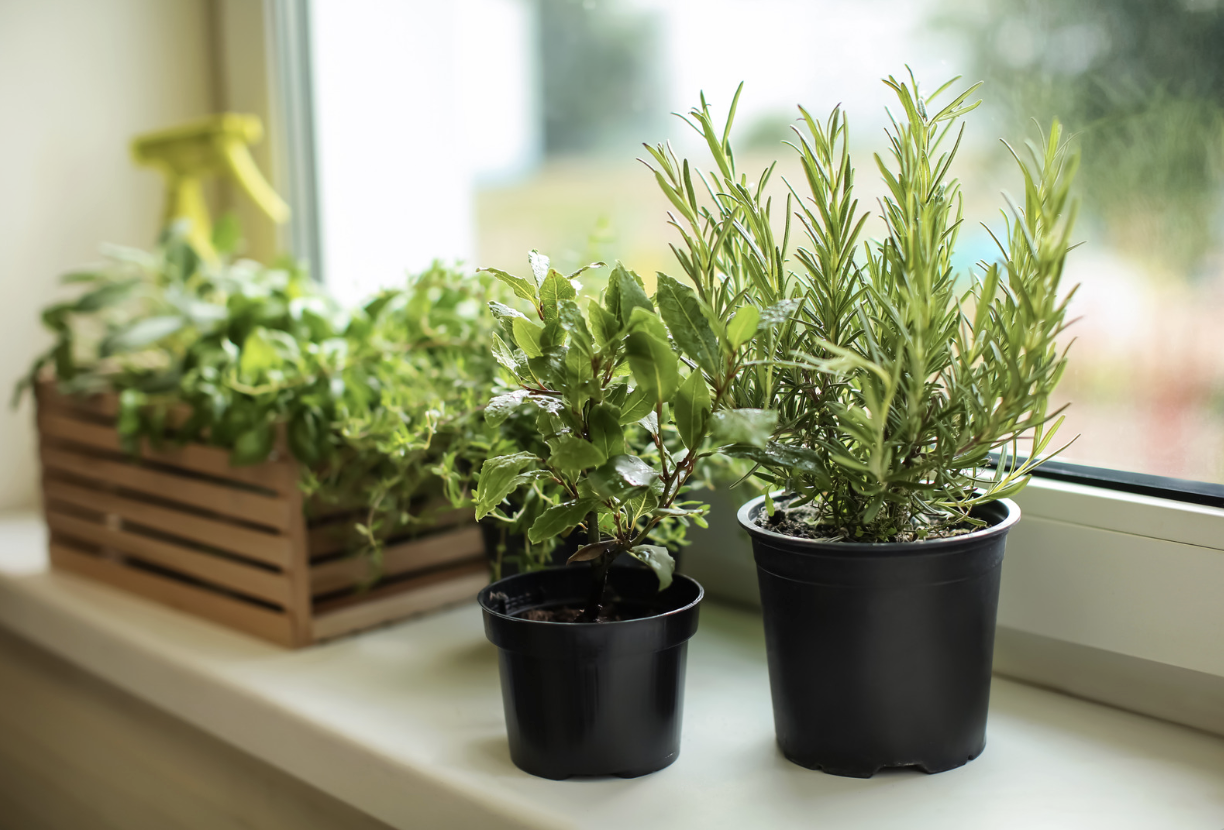
One of the easiest ways to maintain freshness in winter is to bring plant life indoors. A sunny windowsill can support pots of fresh herbs. A small tray on the counter can produce microgreens in a matter of days. Even a simple jar of sprouting seeds can provide a steady source of living food.
These small indoor harvests may not replace the abundance of summer gardens, but they provide something just as important: access to fresh plant compounds during a season when the body often receives fewer of them.
Microgreens, for example, contain concentrated nutrients because they are harvested at an early stage of growth. Sprouts offer enzymes and fresh plant energy that contrast beautifully with the heavier foods we tend to cook in winter.

Maintaining Freshness & Nutrients During Colder Months
Winter cooking often leans toward warming foods — soups, grains, roasted vegetables and slow-simmered broths. These meals provide comfort and stability, but they benefit enormously from the addition of fresh herbs or greens.
A handful of microgreens scattered over a bowl of soup. Fresh parsley stirred into lentils. A few sprigs of basil or thyme brightening a warm dish at the last moment.
These small additions bring volatile oils, minerals and chlorophyll back into the meal, creating balance between the richness of winter cooking and the vitality of living plants.
Green Life as Psychological Nourishment
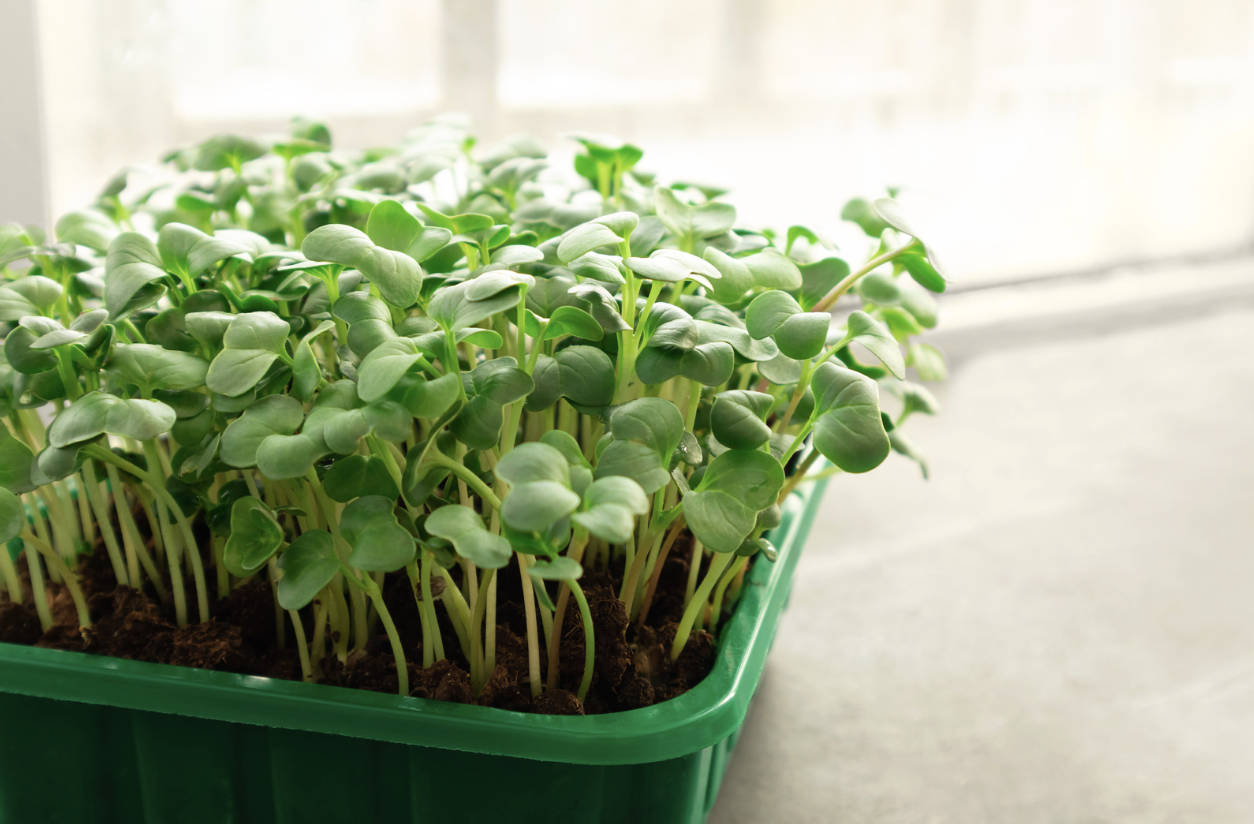
There is also something deeper happening when plants continue growing in the kitchen during winter. A tray of microgreens on the counter or a pot of herbs in the window changes the atmosphere of a space. The presence of living green plants provides a quiet reminder that growth continues even when the landscape outside appears dormant.
Many people notice this instinctively. The act of watering herbs, trimming greens or watching sprouts emerge becomes a small daily ritual — much like the simple rituals that surround herbal teas. In a season when daylight is limited and nature feels paused, those small signs of life can be surprisingly restorative.
Adapting Nourishment to the Rhythm of the Seasons
Seasonal eating isn’t only about consuming what grows outdoors at a particular time of year. It also means adapting our kitchens to support the body through each season.
In winter, that often means embracing warmth and slow cooking while still finding ways to incorporate fresh plant life. Indoor herbs, sprouts and microgreens allow the kitchen to remain connected to the cycle of growth even when the outdoor garden is quiet.
The result is a style of cooking that feels both grounded and alive.
The Quiet Role Plants Play in the Winter Garden
Over time, these small indoor gardens begin to feel like part of the kitchen itself. A jar of sprouts on the counter. A tray of greens near the window. A few pots of herbs within reach of the cutting board.
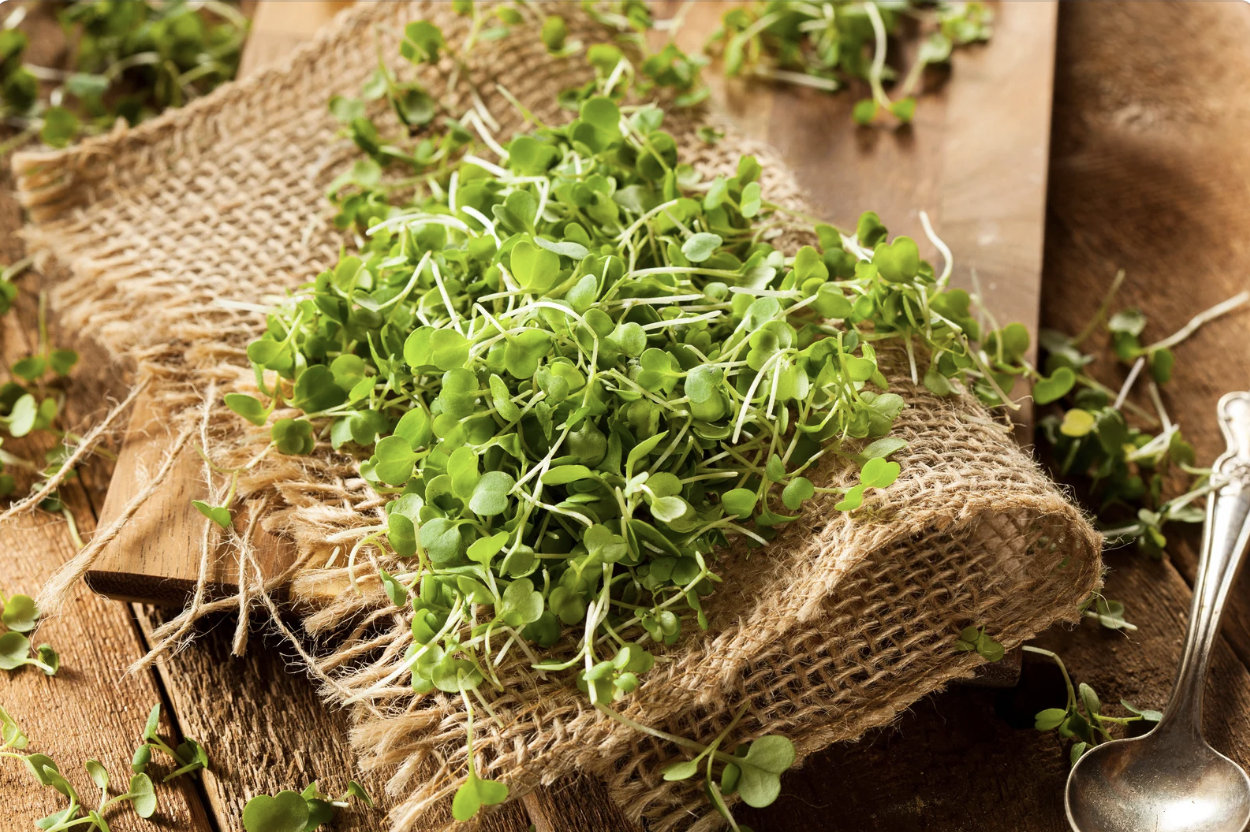
They don’t demand much attention, but they quietly shape the way meals come together. Fresh leaves find their way into soups and grains. Sprouts add brightness to winter dishes. Microgreens bring color and vitality to the plate.
Even in the depth of winter, the kitchen remains a place where green life continues to grow.
Related Blog Posts
Microgreens: Tiny Greens with Big Impack
https://cathleenrsmith.com/the-blog/microgreensGrowing Medicinal Herbs for Anti-Inflammatory Use
https://cathleenrsmith.com/the-blog/medicinal-herbsThe Restorative Power of Herbal Teas
https://cathleenrsmith.com/the-blog/herbal-teas