
Where Ingredients Continue Their Work
Most of what we do in the kitchen is focused on what ends up on our plate.
We think about flavor, nutrition and how ingredients come together to form a meal. Herbs are chopped and added to dishes. Oils are used to carry flavor. Citrus is squeezed for brightness. Everything is directed toward what we will eventually eat.
But the work of ingredients doesn’t stop there.
Many of the same plants we cook with — herbs, oils, flowers — continue to function beyond the plate. They move through other parts of daily life, often in quieter ways that are easy to overlook.
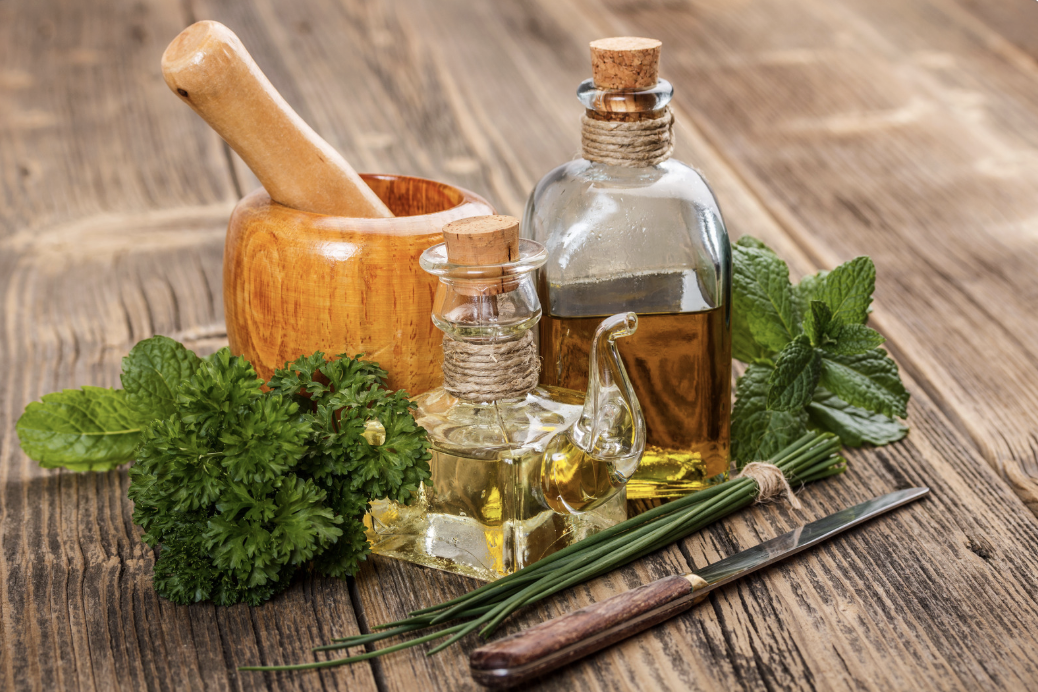
The Shared Language of Oils, Herbs & Botanicals
Olive oil, for example, is rarely thought of as anything more than a culinary staple. But it does way more than that. It carries fat-soluble plant compounds, supports absorption and interacts easily with the body.
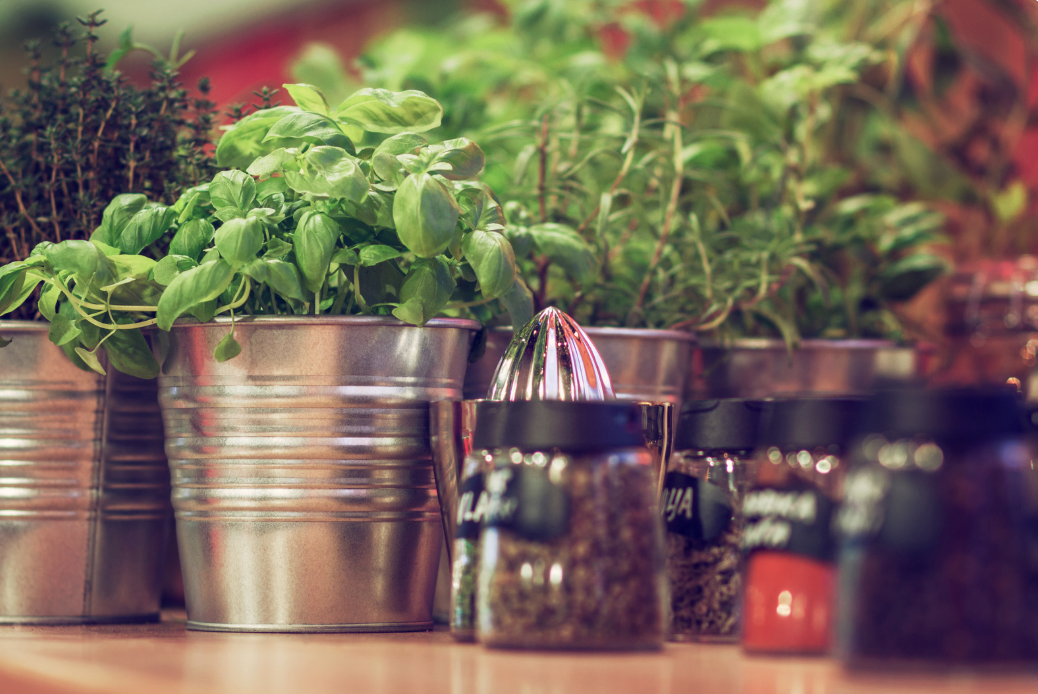
Herbs behave similarly. The volatile oils released when basil is torn or rosemary is crushed are not limited to flavor. They shape the sensory environment around us.
These same properties explain why oils and herbs have long been used in preparations that are applied to the body as well as consumed.
The ingredients are the same. Only the pathway changes — ingestion, absorption or perception.
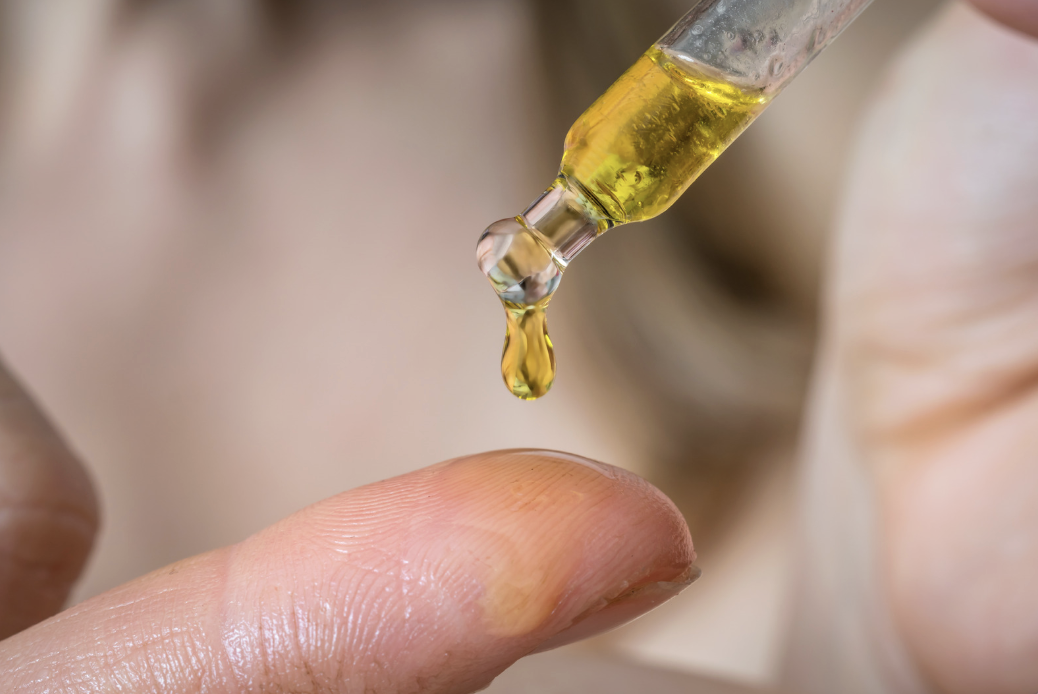
The Skin as a Point of Contact
The skin, like the digestive system, is a point of interaction with the external world.
It responds to oils, absorbs certain compounds and reacts to the quality and composition of what is applied to it. In this way, the use of botanical ingredients on the body follows a logic that is not entirely separate from cooking.
Both involve selecting ingredients that the body recognizes and can work with.
Both rely on simplicity, balance and the integrity of the source material.
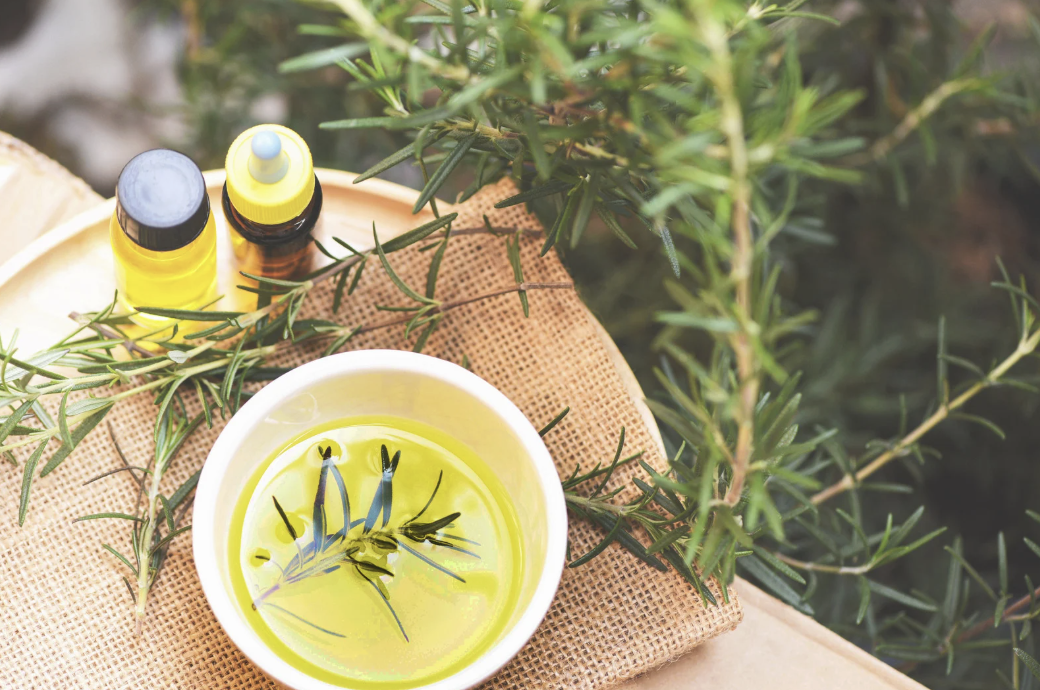
Why This Continuity Has Been Overlooked
Modern life tends to separate these experiences.
Food is treated as nutrition. Skincare is treated as something cosmetic or corrective. Fragrance is treated as an accessory.
But historically, these distinctions were not so rigid. Oils, herbs and plant preparations moved more freely between contexts. The same ingredient could nourish a meal, scent a space or support the skin.
What has changed is not the nature of the ingredients, but how we categorize them.
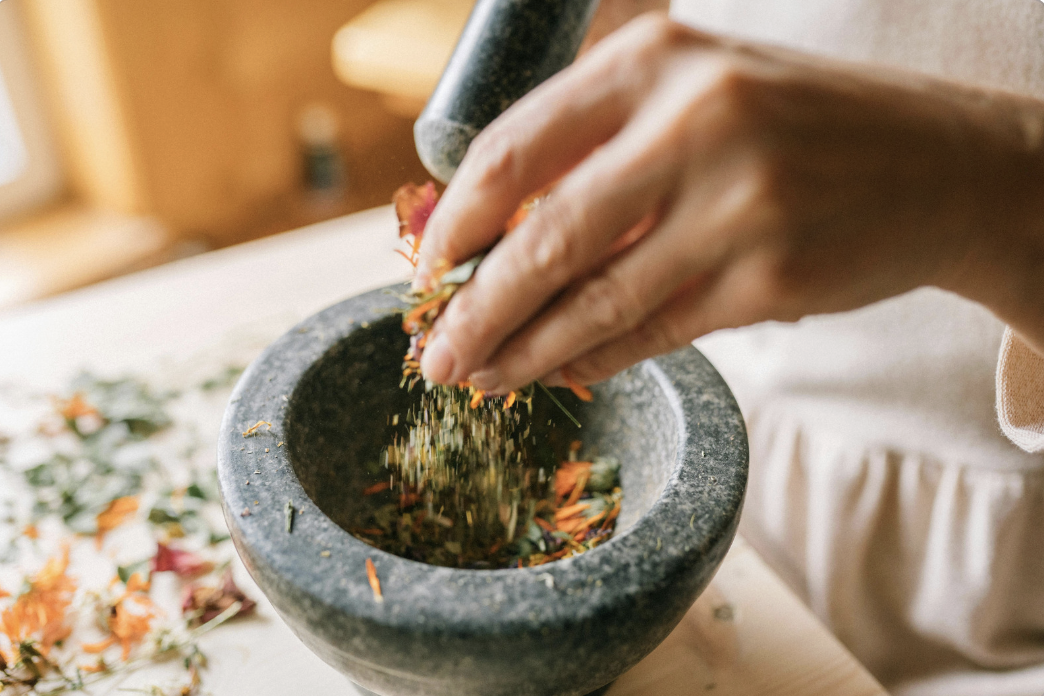
A More Integrated Way of Thinking About Ingredients
When we begin to look at ingredients through this broader lens, a different pattern emerges.
The quality of an oil matters whether it is used in cooking or applied to the skin. The freshness of herbs matters whether they are eaten or handled. The aroma of a plant matters whether it is part of a dish or part of the environment.
These are not separate concerns. They are expressions of the same underlying principle: that plants carry compounds the body can recognize and respond to.
Everyday Rituals Shaped by the Same Ingredients
Over time, this way of thinking changes the feel of daily routines.
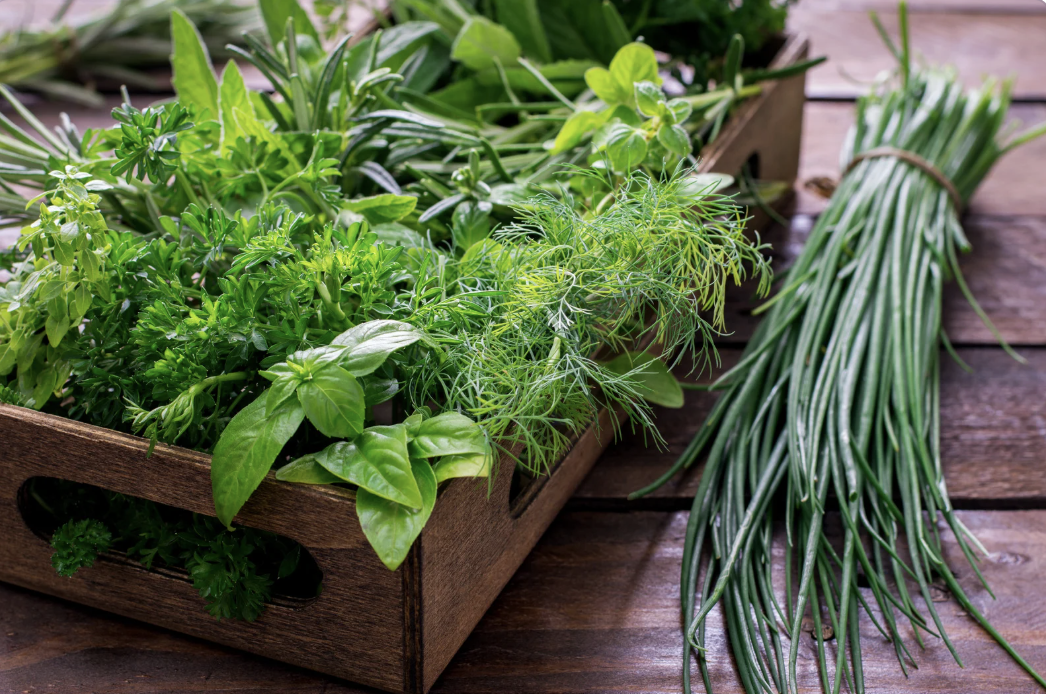
The same olive oil used to finish vegetables might also be used more intentionally in simple botanical preparations. Herbs grown for cooking become part of the sensory environment of the home. Plant-based ingredients move more fluidly between nourishment, care and the atmosphere.
Nothing about this is elaborate.
It’s simply a matter of recognizing that the kitchen does not end at the plate.
The Quiet Extension of the Kitchen
Once you begin to notice this continuity, it becomes difficult to unsee.
Ingredients are no longer confined to a single purpose. They become part of a larger system — one that includes what we eat, what we apply to our skin and what we experience through scent and touch.
In that sense, nourishment doesn’t happen through food alone. It moves through multiple pathways — through digestion (of course), but also through the skin, through aroma and through the sensory environment we create around us.
The kitchen is not a single place. It’s a way of working with ingredients that extends into daily life. And the role of plants within it becomes much more expansive than we often assume.
Related Blog Posts
Extra Virgin Olive Oil: Liquid Gold
Aroma as the Fifth Element
https://cathleenrsmith.com/the-blog/aroma-fifth-element