The Quiet Relief of Ingredient Simplicity
There is a particular kind of ease that comes from cooking with fewer ingredients — the kind you feel almost immediately, both in the kitchen and in the body. Not because food becomes less interesting or less flavorful, but because it becomes clearer. When a dish is built around a small number of thoughtfully chosen elements, the body and mind both relax. You can taste what you’re eating. You can recognize each component. And you’re not asking your digestion — or your attention — to process more than it needs to.
In a culture that often equates abundance with quality, simplicity can feel counterintuitive. Yet again and again, both traditional cooking and modern nutrition research point toward the same truth: fewer, better ingredients often lead to greater satisfaction and steadier energy. This isn’t about restriction. It’s about reducing unnecessary complexity so that the body can respond to food with ease.
Most of the meals that feel best aren’t complicated ones. A pot of warm grains with olive oil and herbs. A simple soup with greens and citrus. Yogurt with fruit and a drizzle of honey. Nothing excessive — just enough. Those meals rarely feel lacking. If anything, they feel complete.
How Simplicity Reduces Digestive Load
Digestion is work. Every meal asks the body to break down proteins, fats, carbohydrates and plant compounds, absorb nutrients and eliminate what isn’t needed. When meals are overly complex — filled with competing flavors, additives, sweeteners and refined ingredients — that process becomes more demanding. The digestive system has to sort, process and regulate far more input.
Meals built from a handful of recognizable ingredients place a lighter demand on this system. Whole herbs, vegetables, grains, quality fats and well-sourced proteins come with the enzymes, fiber and structural integrity the body expects. They’re metabolically familiar. The body recognizes them and doesn’t have to work as hard to make sense of what it’s receiving. Instead of overwhelming digestion, they support it. Over time, this kind of simplicity can contribute to more stable energy, clearer hunger cues and a greater sense of physical comfort after eating.
Fewer Ingredients, Deeper Satisfaction
There’s also a sensory dimension to simplicity. When too many flavors compete in a single dish, the palate becomes saturated quickly. The first few bites may feel exciting, but satisfaction fades fast, often leading to continued eating in search of something that feels complete.
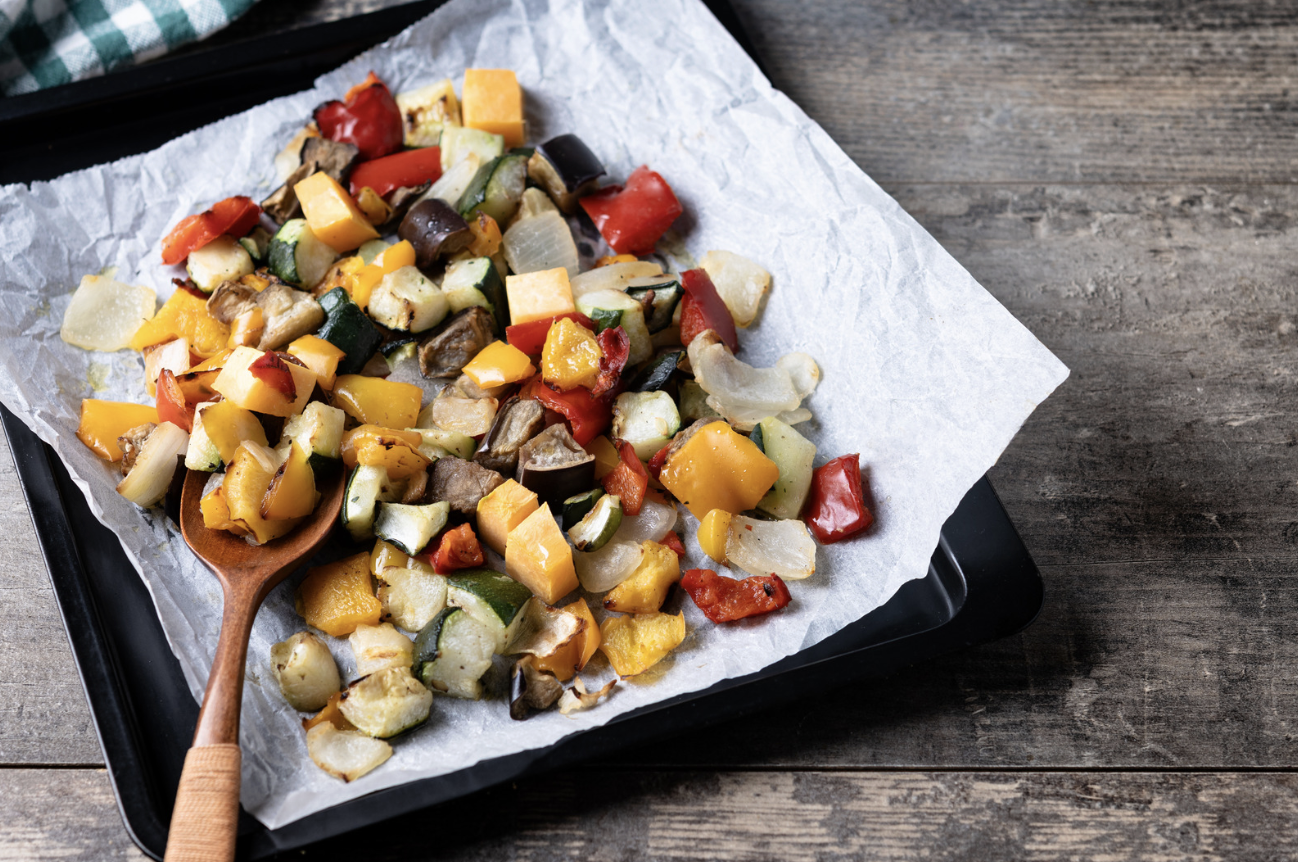
By contrast, meals made with fewer, high-quality ingredients tend to register more clearly on the palate. The sweetness of a roasted vegetable, the bitterness of greens, the aroma of fresh herbs or citrus zest — each has space to be noticed. This clarity allows the body to recognize when it has had enough. Appetite often settles on its own when flavor is clear and balanced.
In this way, simplicity enhances pleasure rather than diminishing it. Flavor becomes more distinct, and satisfaction arrives sooner and more naturally.

The Physiological Cost of Excess
Excess doesn’t only refer to portion size. It also refers to the number of ingredients, additives and sensory inputs present in a meal. Highly processed foods often contain long ingredient lists, each designed to stimulate taste, prolong shelf life or intensify texture. While these combinations can be appealing in the moment, they come with a physiological cost.
Multiple refined ingredients consumed together can place strain on metabolic pathways, particularly those involved in blood sugar regulation and inflammation. The body is remarkably adaptable, but it responds best to foods that resemble what it has evolved to process: whole, relatively simple combinations of plants, fats and proteins. When we reduce excess and return to recognizable ingredients, we lower that metabolic burden.
This way of cooking — guided more by clarity than excess — has shaped much of how I approach everyday meals and the ingredients I choose to keep close at hand.
Restraint as a Form of Care
Restraint in cooking is often misunderstood as deprivation. In practice, it usually feels like relief. And in reality, it can be a form of care. Choosing fewer ingredients allows you to focus on quality, freshness and balance. It creates space to notice how food tastes and how it feels in the body afterward. It also reduces the cognitive load of cooking and eating — fewer decisions, fewer competing elements, less effort to achieve something satisfying.
This kind of restraint aligns with a broader philosophy of nourishment that extends beyond the plate. Just as the body responds well to meals built from simple, well-sourced ingredients, it responds well to products and environments that avoid unnecessary excess. “Less but better” becomes a guiding principle rather than a limitation — a way of supporting both physiological and sensory ease.
When Less Becomes More
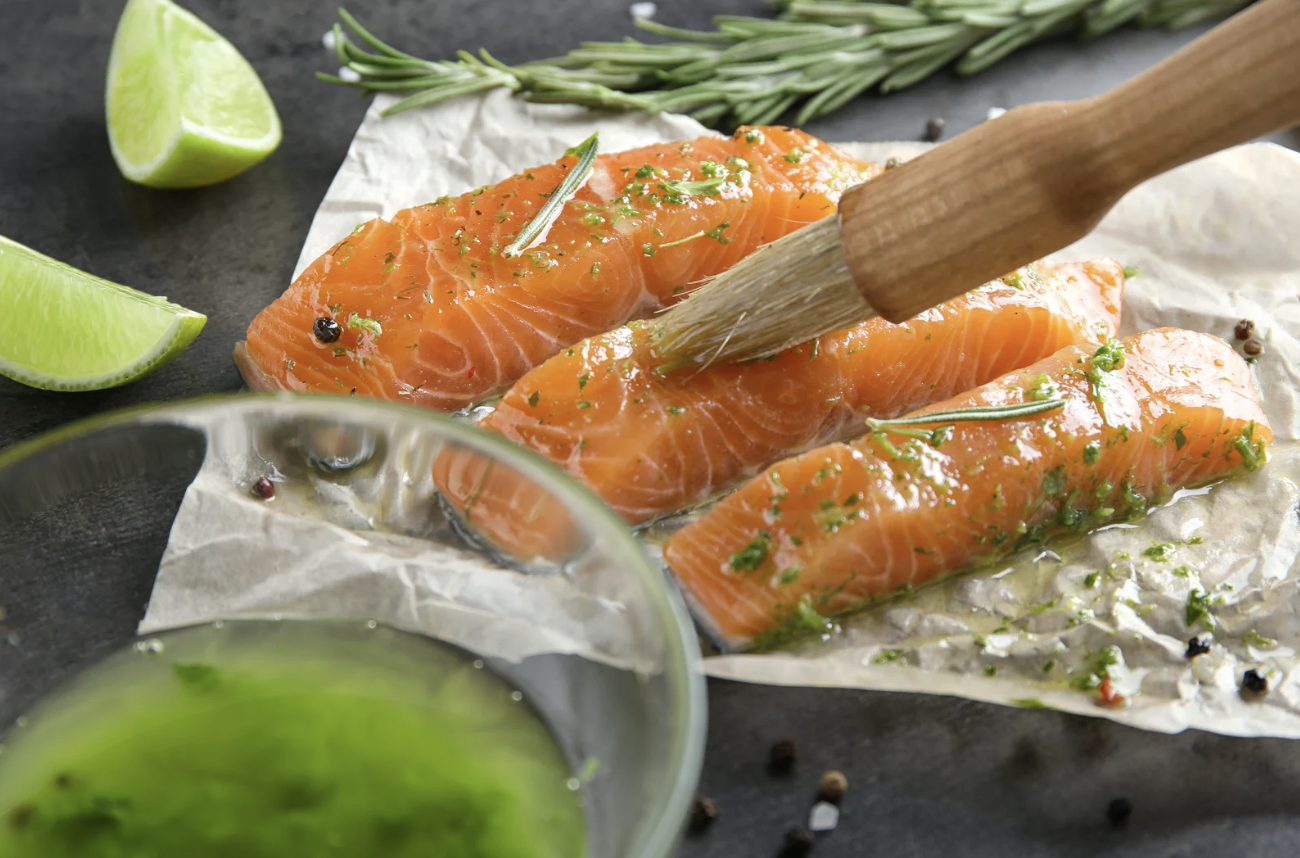
A bowl of simply cooked grains with herbs and olive oil. A piece of fish with citrus and greens. Yogurt with seasonal fruit and a drizzle of honey. These kinds of meals don’t rely on long ingredient lists to feel complete. Their strength lies in clarity and balance. Each element has a purpose. Nothing is included merely for effect.
Over time, cooking this way reshapes expectations. You begin to notice how satisfying simplicity can be and how steady the body feels when it isn’t managing constant excess. Meals become less about stimulation and more about support. Flavor becomes quieter but more distinct. Eating becomes less effortful and more restorative. This same philosophy shows up in other daily rituals too — how we care for skin, how we use water, how we choose what touches us every day.

A Quieter, Steadier Approach
Choosing fewer ingredients isn’t about doing less; it’s about doing what matters most. It allows flavor to emerge naturally, supports digestion and creates a sense of calm around food that’s often missing in modern eating. The result is a form of nourishment that feels grounded and sustainable — one that values quality over quantity and clarity over excess.
When we allow meals to be simple, the body often responds with relief. Digestion becomes easier. Appetite becomes clearer. And the experience of eating returns to something more intuitive and steady. In a world that often encourages more, faster and louder, fewer well-chosen ingredients can feel like a steadier, more supportive way to eat.
Related Blog Posts
Kitchen Minimalism: How to Streamline Your Cooking Space
https://cathleenrsmith.com/the-blog/kitchen-minimalismThe Healing Art of Bathing
https://cathleenrsmith.com/the-blog/healing-art-of-bathing