Why Everyday Cooking Deserves Attention
Some cooks teach technique. Others teach recipes. Nigel Slater teaches attention.
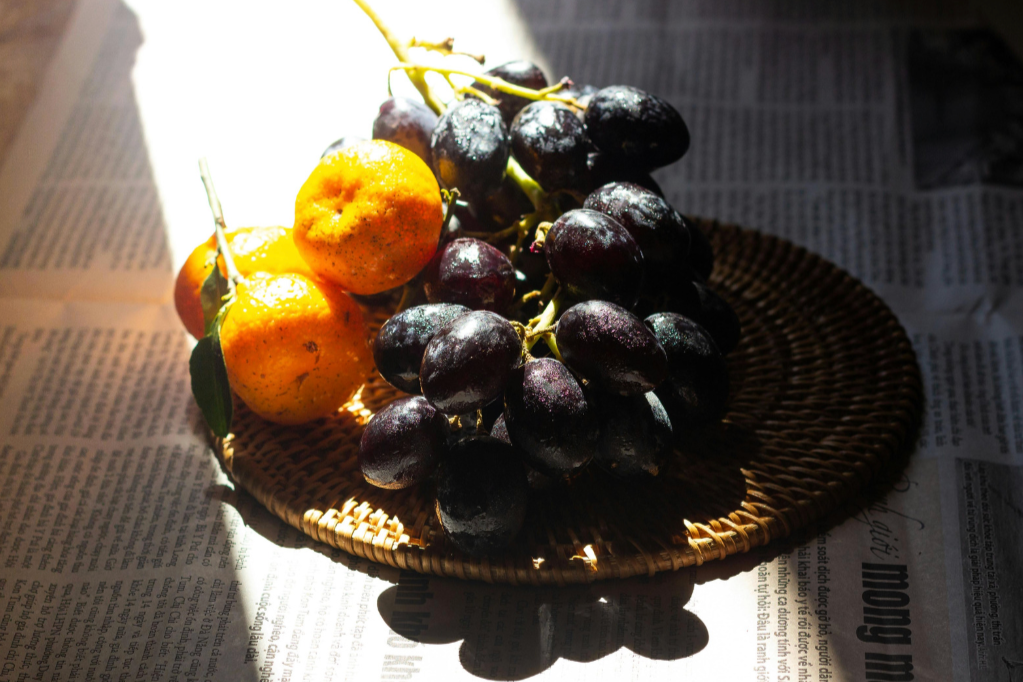
His writing has always centered on the quiet, often overlooked moments that make up daily cooking — slicing fruit in the morning light, stirring a simple pot of soup, buttering warm toast without rushing. In a culture that often celebrates elaborate meals and special occasions, Slater’s work reminds us that nourishment is built through repetition and presence.
This perspective resonates deeply with how I think about food and daily care. It’s very much in line with the approach I describe in my food philosophy, where everyday meals are guided by seasonality, simplicity and attention. Meals do not have to be elaborate to be meaningful. In fact, the ordinary ones — prepared without fanfare and repeated throughout the week — are often the ones we return to most willingly. They ask us to notice what is in front of us, to work with what we have, and to trust that simplicity can hold its own kind of beauty.
Attention as a Culinary Skill
In The Kitchen Diaries, Nigel Slater documents a year of daily cooking through brief entries that feel more like observations than instructions. A handful of ingredients becomes dinner. A small change in season alters what goes into the pan. The book doesn’t read like a traditional cookbook; it reads like a record of attention.
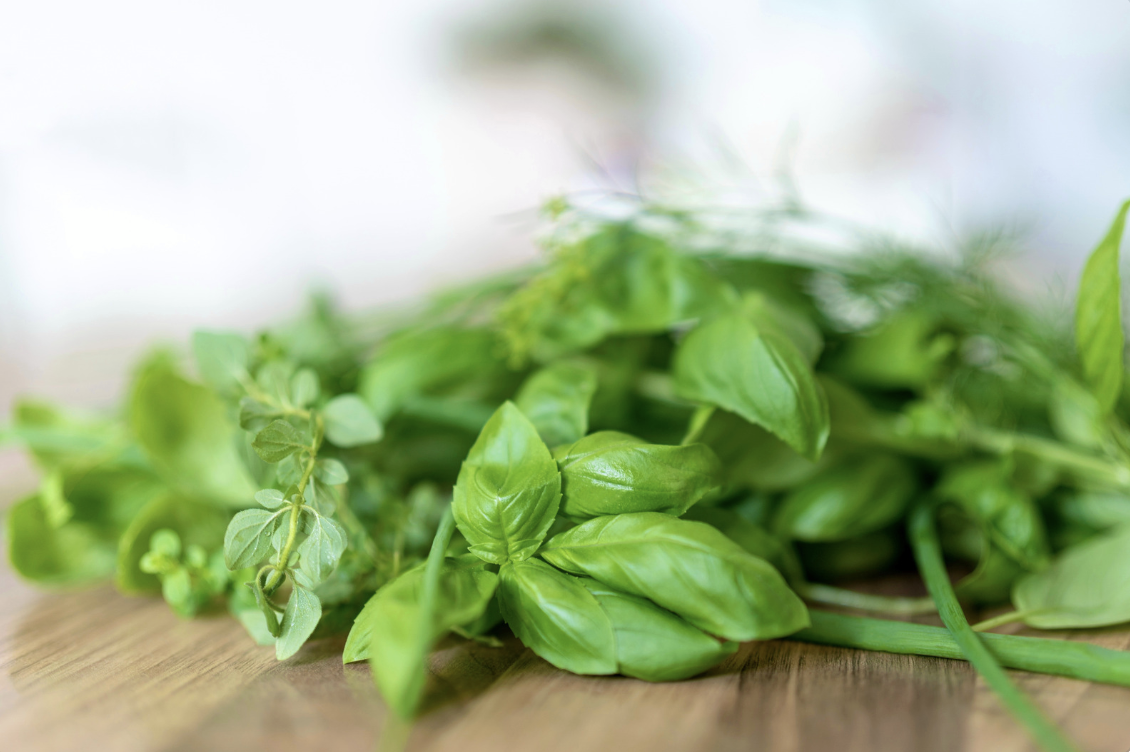
That attention is a culinary skill in its own right. Noticing the scent of herbs as they’re chopped. Recognizing when fruit is perfectly ripe. Adjusting a meal based on what the day calls for rather than what a recipe dictates. These are forms of knowledge developed through practice and repetition, not through complexity.
When we approach cooking this way, presence becomes part of nourishment. We are not simply preparing food; we are participating in a process that engages the senses and steadies the mind.
Beauty in Repetition & Ordinary Routines
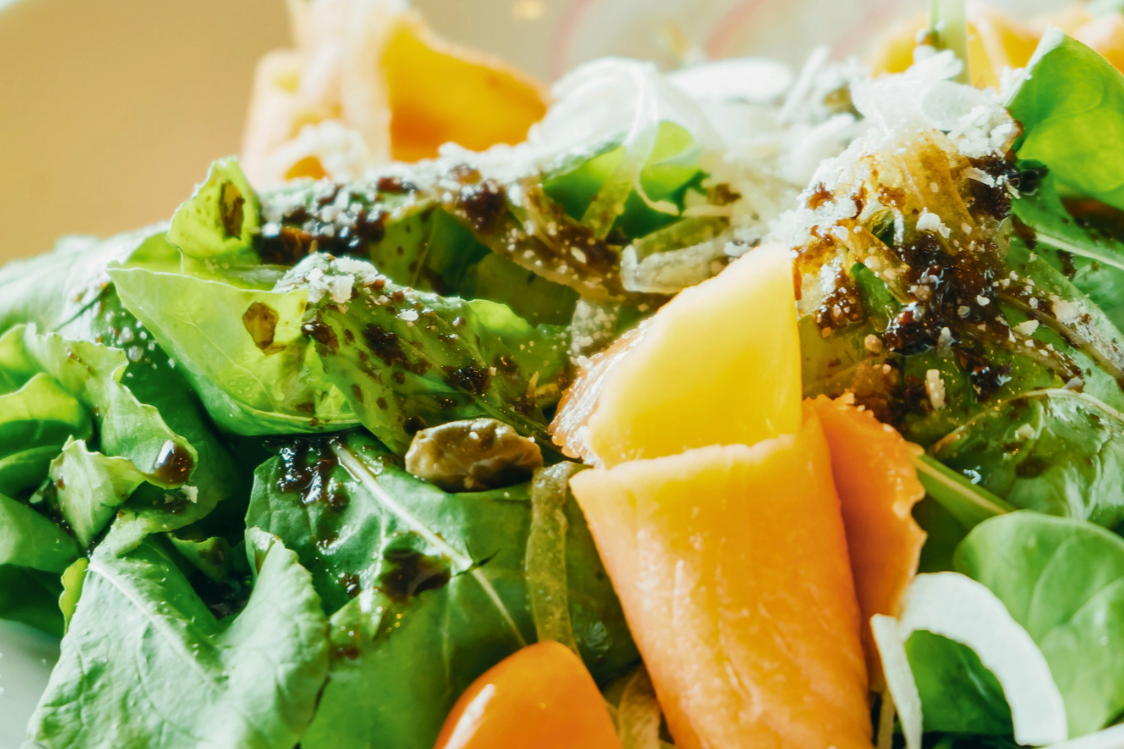
There is comfort in cooking the same things regularly. A pot of grains made at the start of the week. Soup assembled from what remains in the refrigerator. Greens dressed with olive oil and citrus. These routines may appear unremarkable from the outside, but they create continuity and ease within the kitchen.
Slater’s writing celebrates this repetition rather than apologizing for it. He returns to familiar ingredients again and again, allowing small variations to keep meals interesting. Over time, these repeated experiences build confidence and calm. You learn how much seasoning a dish needs without measuring. You begin to understand what feels satisfying rather than merely filling.
In this way, repetition becomes a source of beauty rather than boredom. It allows the body and mind to settle into a rhythm that supports daily life. And cooking this way often leads to a quieter kitchen — fewer ingredients, fewer tools and a more intuitive rhythm over time. It’s something I explored more deeply in my post on creating a more streamlined, intentional kitchen.

Presence as Nutritional Support
We often think of nutritional support in terms of nutrients and calories, but there is another dimension that is just as important: attention. When we prepare and eat food with awareness — even briefly — the experience of eating changes. Flavor registers more clearly. Satisfaction arrives more easily. Meals feel less hurried and more complete.
Nigel Slater’s work illustrates this again and again. His meals are not elaborate productions; they are small, attentive acts. A sliced peach with cream (or ice cream). Toast with softened butter and jam. A simple stew made from what is available. Each is described with care, reminding the reader that nutritional support can come from noticing as much as from consuming.
This perspective aligns with a broader understanding of nutritional support as something the body feels as well as absorbs. Warmth, aroma, texture and familiarity all contribute to the experience of being fed.

Sensory Awareness as a Learned Practice
One of the quiet lessons of Nigel Slater’s writing is that sensory awareness can be cultivated. It’s not reserved for trained chefs or professional cooks. Anyone who prepares food regularly can develop a more attuned palate and a more observant approach to ingredients.
This begins with small shifts: tasting as you cook, pausing to smell herbs before chopping them, paying attention to how a meal feels in the body afterward. Over time, these moments accumulate into a kind of literacy — the ability to recognize what feels balanced, satisfying and supportive.
That literacy extends beyond cooking. When we learn to notice flavor and texture with greater clarity, we also become more aware of how other daily experiences affect us. Attention becomes a form of care, guiding choices that support steadier energy and a calmer nervous system.

Why The Kitchen Diaries Continues to Resonate
What I love most about The Kitchen Diaries is its refusal to separate cooking from daily life. Meals are not treated as performances or achievements; they are simply part of the day. This approach feels deeply aligned with how many of us actually live and eat. We cook between responsibilities, at the end of long days, with whatever ingredients are available.
Slater’s writing honors these conditions rather than trying to transcend them. He shows that meaningful meals can emerge from ordinary circumstances when we approach them with care and attention. That perspective feels especially relevant now, when many people are seeking ways to make daily routines feel steadier and more intentional.

Small Experiences, Repeated Over Time
The value of everyday cooking does not lie in any single meal but in the accumulation of many small ones. A bowl of soup prepared without hurry. Fruit sliced and shared. Herbs added at the last moment. These repeated experiences shape how we feel in our bodies and how we relate to food.
Nigel Slater’s work reminds us that nourishment is not only about what we eat but how we move through these daily rituals. Attention, repetition and presence all contribute to the experience of being well fed. When we begin to value these small moments, cooking becomes less about producing impressive results and more about sustaining ourselves in quiet, consistent ways.
Related Blog Posts
Kitchen Minimalism: How to Streamline Your Cooking Space
https://cathleenrsmith.com/the-blog/kitchen-minimalismMy Food Philosophy
https://cathleenrsmith.com/the-blog/my-food-philosophy