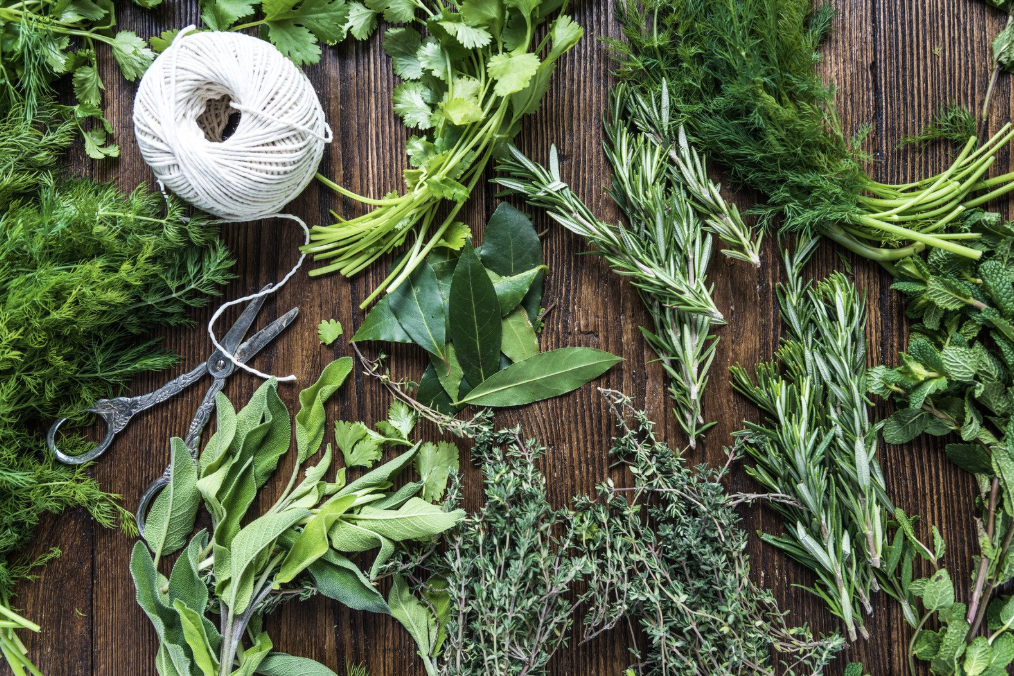
When Herbs Move from Garnish to Foundation
For a long time, herbs have been treated as something added at the end. Something you add as a finishing touch or a small layer of flavor.
But the trend is changing. And in many kitchens, the role of herbs is beginning to shift. Herbs are no longer just supporting the dish. They’re becoming the center of it — basically, the stars of the show.
Why Herbs Carry More than Flavor
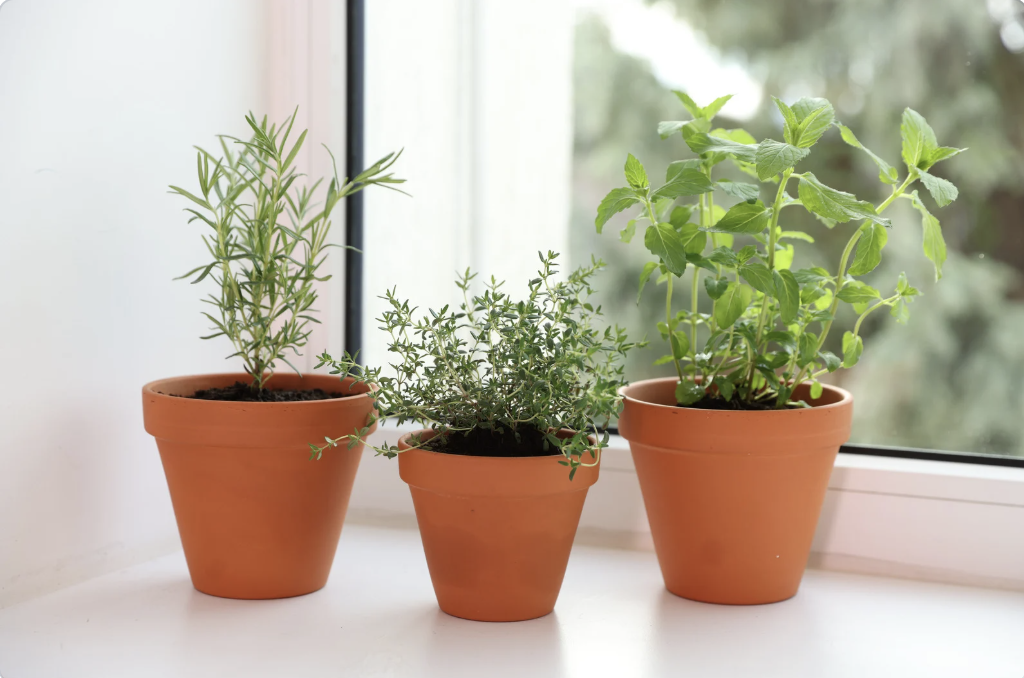
Fresh herbs contain a wide range of plant compounds — aromatic oils, antioxidants and other phytochemicals that influence both flavor and the way food is experienced.
When herbs are used generously, their presence changes the structure of a meal. Flavors become brighter and lighter and way more dynamic. Not because more ingredients are added, but because the right ones are used more artfully.
Volatile Oils & the Sensory Experience of Food
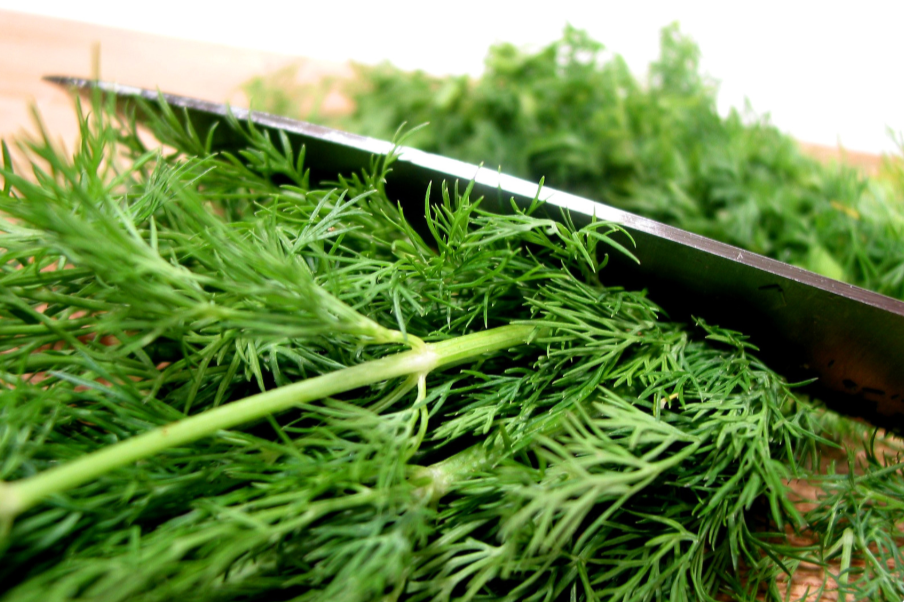
One of the reasons herbs are so impactful is their aromatic nature. Their volatile oils are released through cutting, tearing or heating. And when these task are done, the herbs move quickly into the air and shape how a dish is perceived before it’s even tasted.
This is part of why herb-forward meals often feel more complete. They engage both taste and smell at the same time — something I’ve written about more fully in Aroma as the Fifth Element.
Freshness as a Form of Feeding Your Body
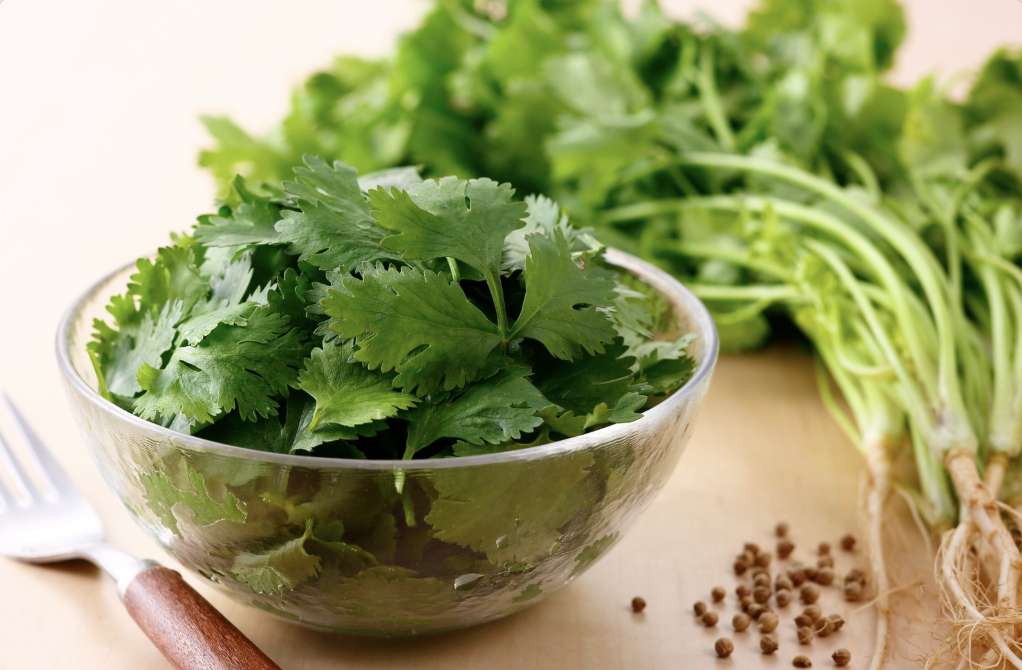
There’s also a difference in how fresh herbs are received by your body. Their compounds are more active, their flavor is more immediate and their structure is intact. So meals built around fresh herbs tend to feel lighter and more responsive — less heavy.
In this way, freshness becomes part of the experience of feeding your body. Not just something we recognize visually, but something your body responds to directly.
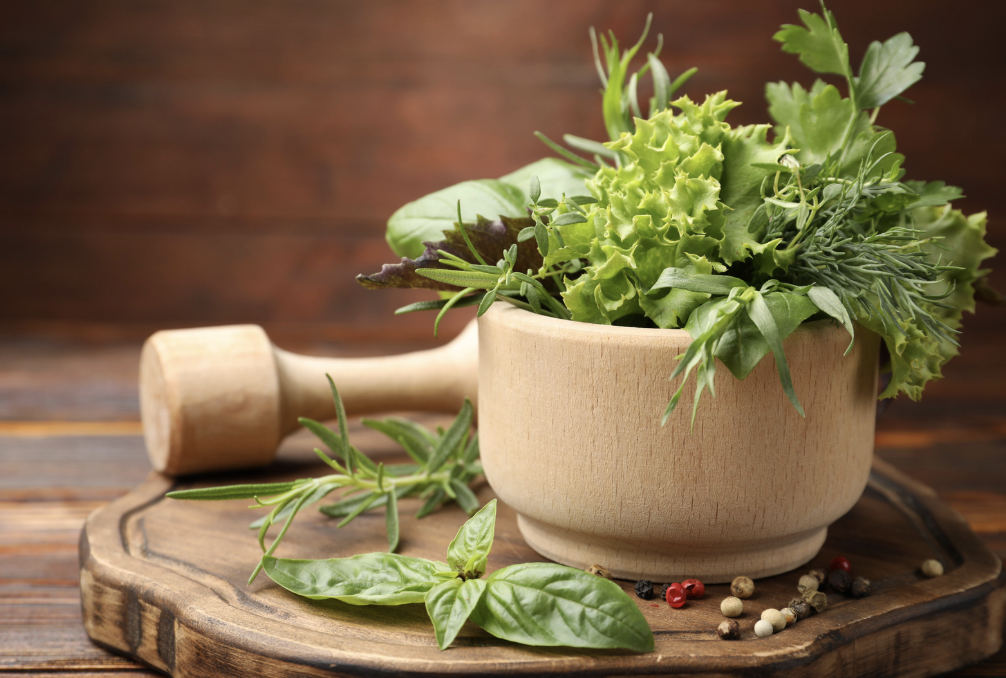
Cooking with Herbs as the Primary Ingredient
When herbs take on a larger role, the structure of cooking shifts slightly. Other ingredients become the supporting elements. The balance changes. And the meal begins to center around plant compounds that act through both flavor and aroma — rather than just sitting on the sidelines. Using herbs this way often begins with having them close at hand — something I’ve written about in Growing a Flavor Garden for Everyday Cooking.
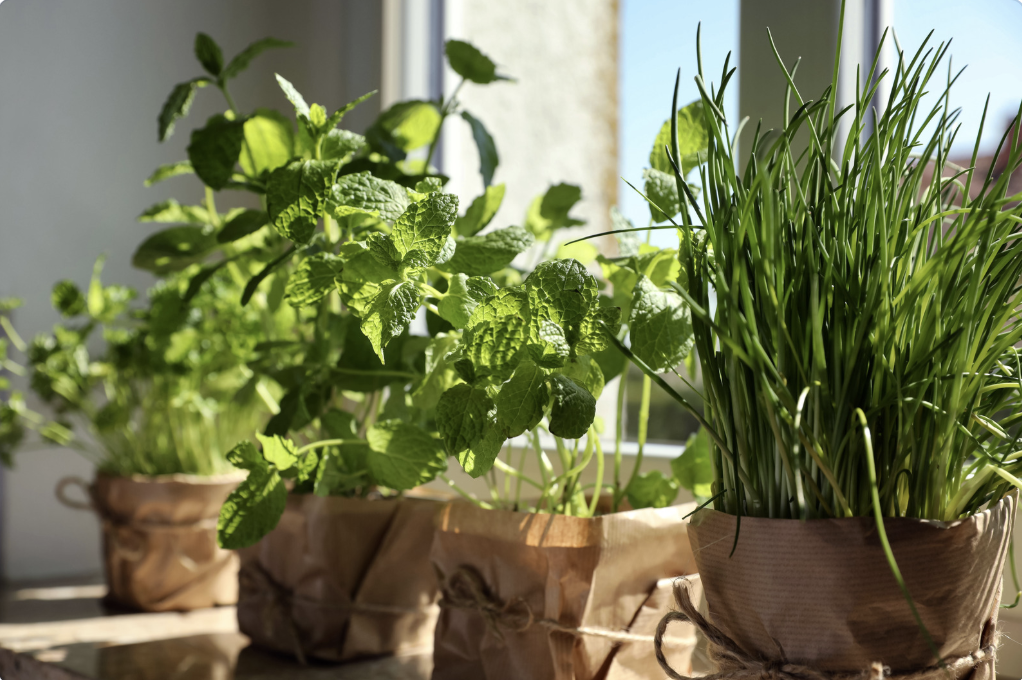
A More Complete Use of Plants
This way of cooking also connects naturally to how plants function outside the kitchen. The same aromatic compounds that shape flavor also influence the sensory environment — how something smells, how it feels and how it’s experienced more broadly.
Herbs don’t operate in a single context. They easily move between taste and smell.
Using herbs more generously is not about adding complexity. It’s about using what is already there more fully. A small amount used occasionally adds flavor. But a larger amount used intentionally begins to shape the entire experience of the meal.
And over time, that shift changes how we understand what herbs are capable of doing.
Related Blog Posts
Aroma as the Fifth Element
https://cathleenrsmith.com/the-blog/aroma-fifth-elementGrowing a Flavor Garden for Everyday Cooking
https://cathleenrsmith.com/the-blog/flavor-garden