How Cooking Habits are Shaped Over Time
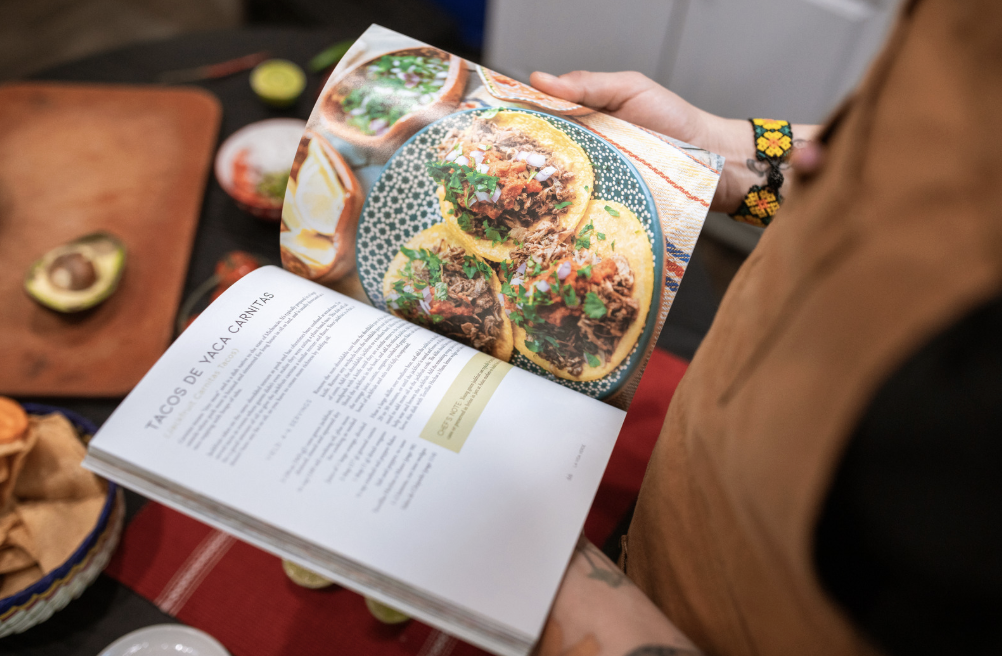
Most home cooks don’t build their approach from scratch. The way we season food, the ingredients we reach for, even how we put together a meal — these patterns are learned gradually. Not from a single recipe, but from repeated exposure to the same kinds of ideas.
We use herbs in a certain way. We develop a preference for simplicity. We have a tendency to return to familiar meals rather than looking to try something new. Over time, these patterns become habits.
And those habits are often shaped by a small number of writers whose work is trusted enough to revisit.
Ingredient-First Cooking: a Defining Standard
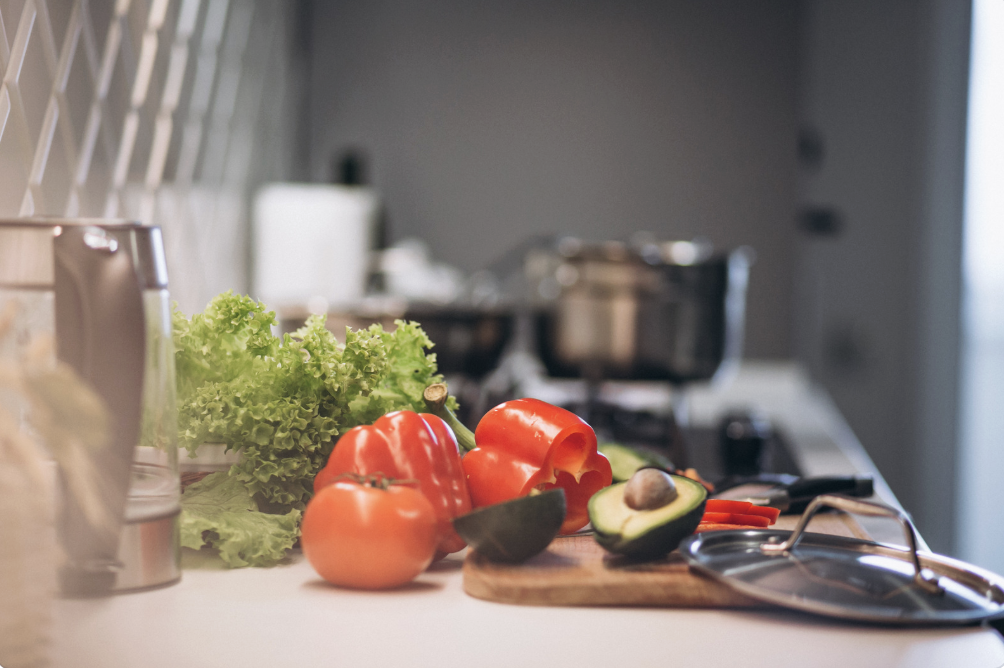
Across many modern cookbooks, there is a clear and consistent direction. Recipes are becoming less about assembling components (sometimes LOTS of components) and more about working with ingredients as they are. There are fewer elements, there’s more intentional use and there’s a stronger emphasis on vegetables, herbs and seasonal availability.
This approach doesn’t rely on novelty. It relies on understanding what an ingredient needs — how it behaves, how it changes with heat, how it works in combination with others.
The result is a style of cooking that feels more direct, more repeatable and more aligned with everyday life. The influence of these ideas becomes clearer when you look at the writers who are carrying them forward.
Deborah Madison: Where Vegetables Became Enough
I didn’t always think of vegetables as the possible center of a meal. They were something added alongside — a necessary component, but not the reason for the dish. That concept has shifted gradually over time, and much of that shift can be traced back to the way Deborah Madison writes about food.
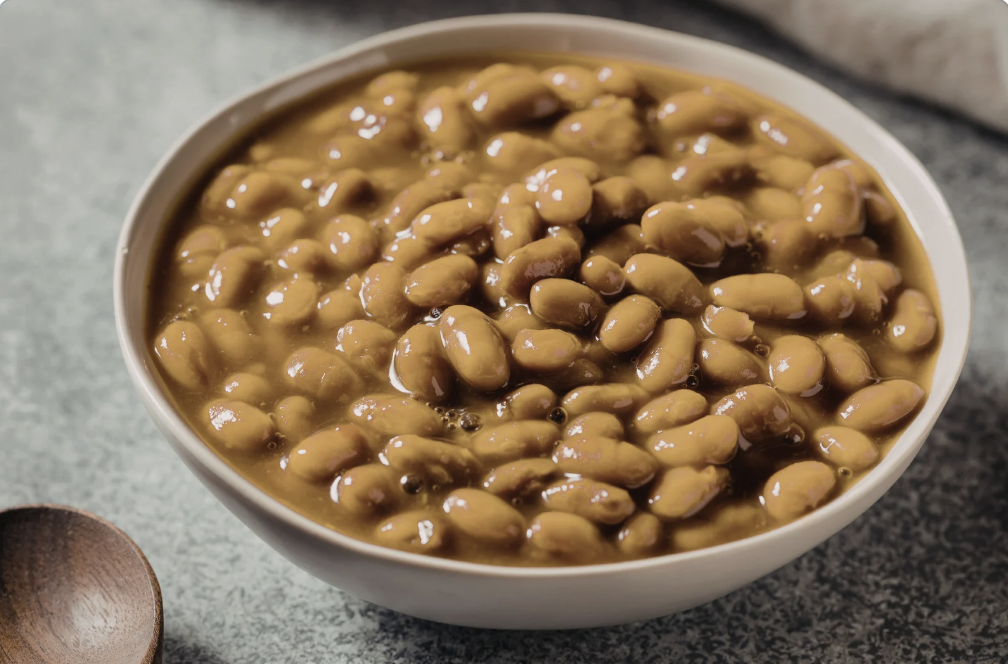
Her recipes don’t try to elevate vegetables by making them imitate something else. They treat them as complete from the start. Whether it’s a pan of greens, a bowl of beans or a simple combination of herbs and grains — all are given the same attention and care.
Over time, that way of thinking changes how you cook. You stop asking what to add to make a meal feel complete. You begin with what’s already there.
Much of this way of thinking can be traced back to Vegetarian Cooking for Everyone, a book that quietly established vegetables as the starting point rather than the supporting element. And once that shift takes hold, it doesn’t tend to reverse — and my well-worn copy is proof.
Joshua McFadden: Paying Attention to When an Ingredient is Ready
I used to think of seasonality in fairly broad terms. Like tomatoes in summer. Squash in the fall. Greens in spring. But Joshua McFadden’s work introduced a more refined way of looking at it. Not just what is in season, but where it is in its season.
A vegetable early in its life behaves differently than it does a few weeks later (no, really - it does!). The texture changes. The flavor deepens. The way it wants to be prepared shifts. That kind of attention slows you down — in a useful way. It pulls you out of recipe-following and back into observation. And over time, it becomes easier to trust what an ingredient needs, rather than what a recipe tells you to do.
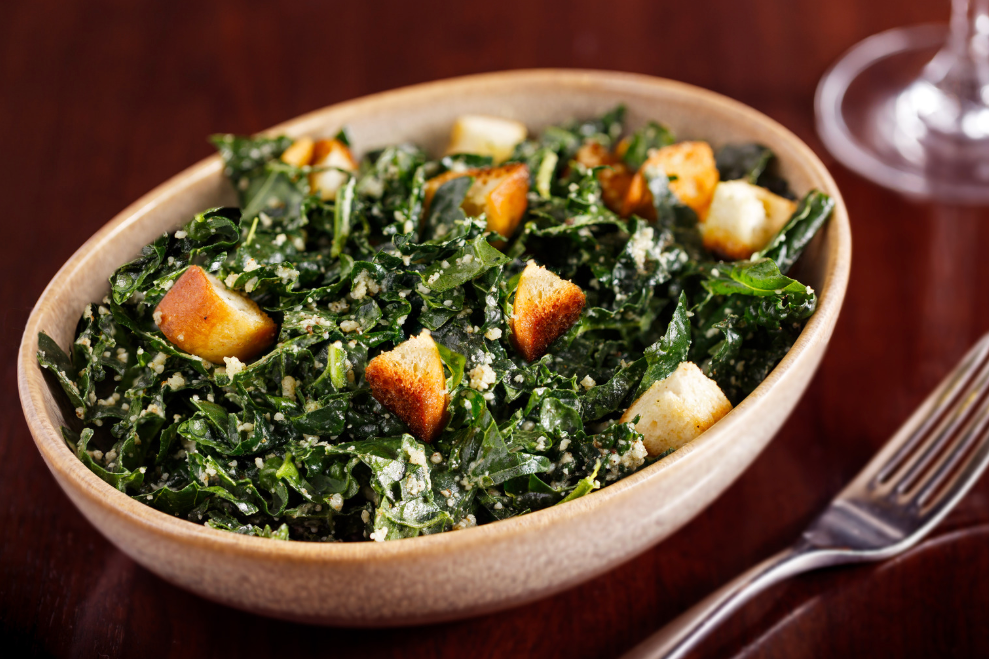
Joshua McFadden’s well-known kale salad (fondly known as the Kale Salad that Started it All) — with its dried breadcrumbs, olive oil and Pecorino Romano cheese — helped redefine how many of us think about vegetables. I’ve made this kale salad many times, and each time it reinforces the same idea — that texture, bitterness and balance can carry a dish without much else.
Alison Roman: Cooking the Same Thing, On Purpose
There’s a certain point where trying new recipes starts to feel less desirable (and way more challenging) than returning to the ones that work. That shift is something Alison Roman leans into directly. Her recipes are built to be repeated. Not adjusted endlessly or improved upon, but made again and again — in the same way — because they hold up.
That idea seems simple, but it’s changed how we approach meal planning. Instead of asking what’s new, or trying to find something super creative, you begin to ask what’s worth making again. And that question tends to lead to a smaller, more reliable set of meals. Ones that don’t require much thought, but consistently deliver what you expect them to.
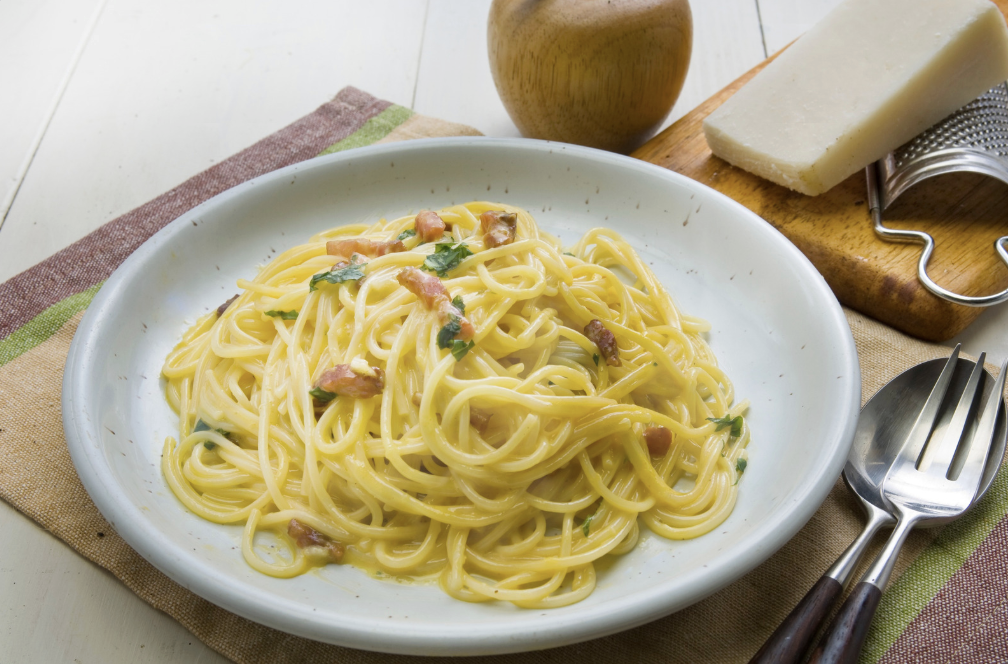
You can see this approach clearly in her super-famous caramelized shallot pasta — a dish built from pantry ingredients that has been cooked and re-cooked in home kitchens (mine included) time and time again — because it delivers exactly what it promises, every single time.
Christopher Kimball: Removing What Isn’t Necessary
There is a certain kind of confidence that comes from understanding why something works. Not memorizing a recipe, but recognizing what actually matters — what can be adjusted, what can be simplified and what can be left alone.
That’s the influence Christopher Kimball has had on home cooking. His work consistently moves in one direction: removing what isn’t necessary. Fewer steps. Fewer ingredients. Clearer methods that lead to the same result, every time.
Over time, that approach changes how you cook. You stop following instructions as written and begin to recognize patterns. Heat, timing, balance. The structure underneath the recipe. And once that structure becomes familiar, cooking begins to feel less like something to get right — and more like something you understand.
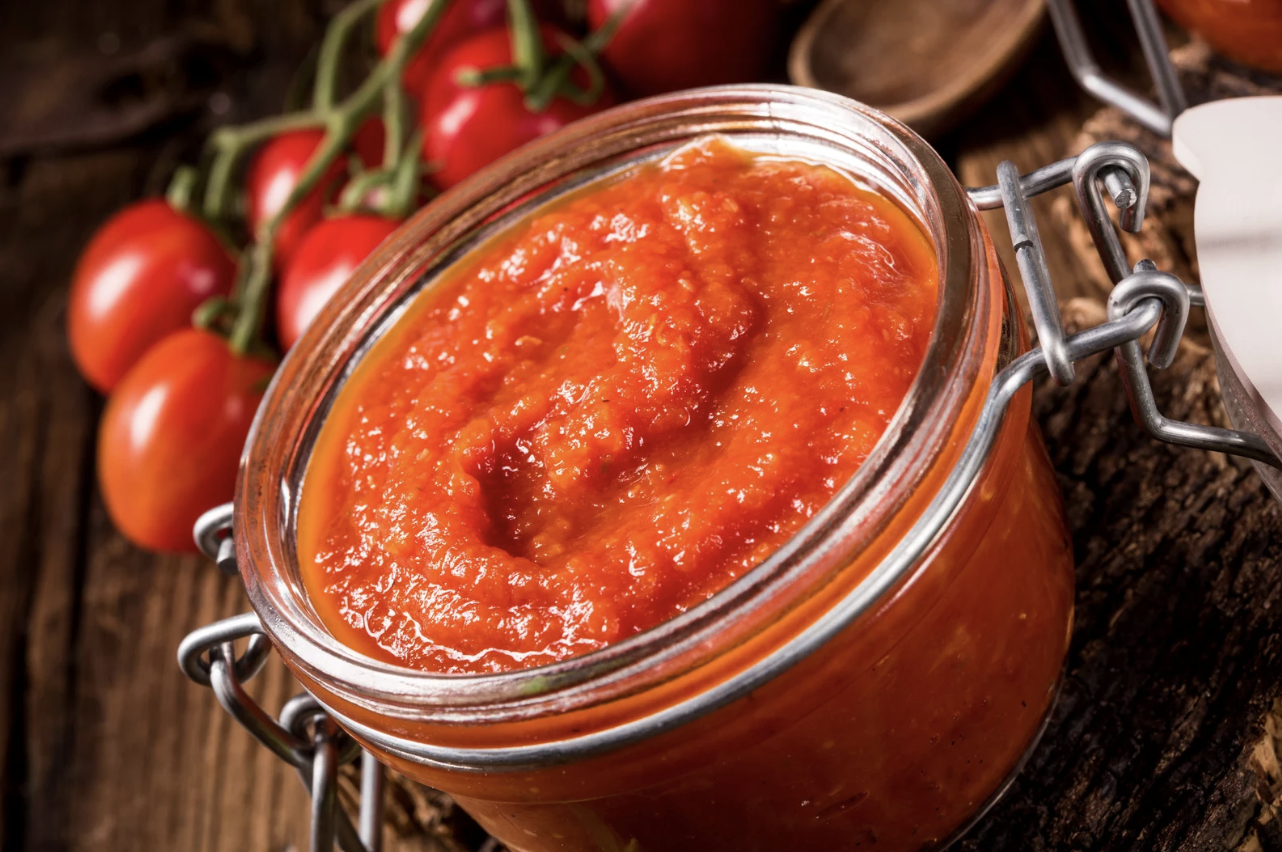
You can see this clearly in something as simple as his tomato sauce (accessible through Milk Street). This is a recipe that strips the process down to its essentials and relies on the ingredient itself to carry the dish. That clarity has a lasting effect — once you understand what matters, it becomes easier to leave the rest behind (like throwing away your garlic ).
Andrea Bemis: Letting What’s Growing Shape the Meal
Spending more time in the garden changes what feels natural in the kitchen. Ingredients are no longer abstract. They’re visible, immediate and often need to be used.
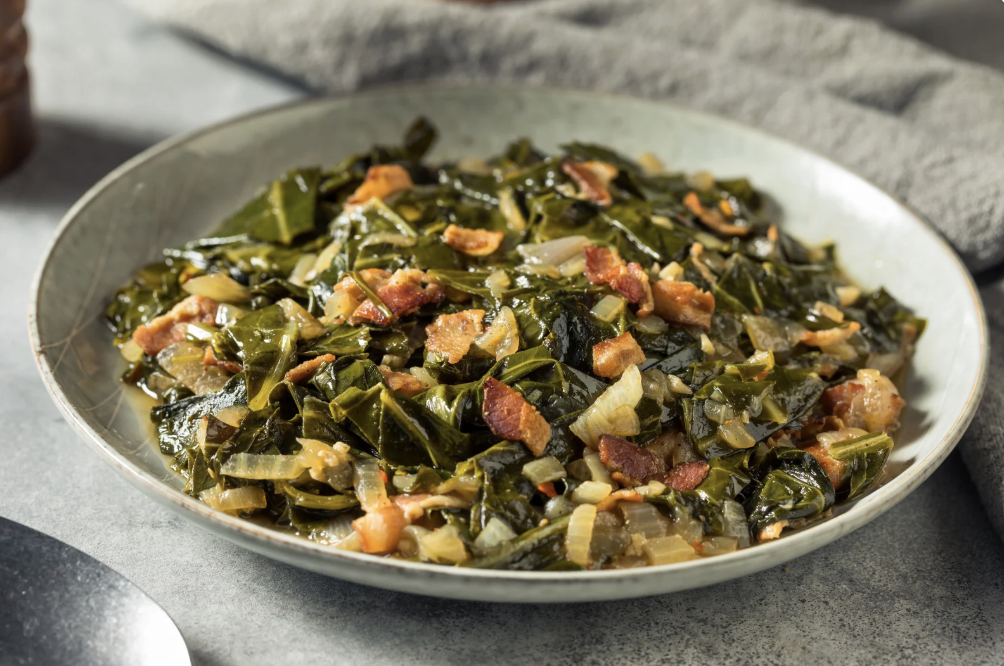
That’s the perspective Andrea Bemis brings into her cooking. Her meals begin with what’s available — what’s ready, what’s abundant, what won’t wait. That approach removes a layer of decision-making. You’re not starting with a recipe and then finding ingredients to match. You’re starting with the ingredients themselves. And over time, that becomes a more intuitive way to cook.
Her Dishing Up the Dirt (website and cookbook) shifts how you think about planning meals — it becomes less about deciding in advance, and more about working with what’s already in front of you. And once ingredients begin to guide the process, you’ll be amazed at how easily things come together.
A Continuation of an Existing Lineage
None of these writers are working in isolation. Their approaches build on a lineage that includes voices like Alice Waters, Nigel Slater, Samin Nosrat and Ina Garten — writers who established the value of ingredient integrity, sensory awareness, repetition and ease.
The influence of Nigel Slater, in particular, can be seen in the way everyday meals have been reframed — not as something routine or repetitive, but as something worth paying attention to, something I explored more fully in Nigel Slater and the Poetry of Everyday Meals.
That same attention to the sensory experience of food — how flavor is shaped not just by taste, but by aroma — is part of what Samin Nosrat helped bring into wider conversation, and something I wrote about in Aroma as the Fifth Element.
And the idea that simplicity, when done well, is not limiting but supportive — that meals can be both predictable and deeply satisfying — is a thread that runs through the work of Ina Garten, and one I returned to in Ina Garten’s Gift: The Comfort of Simplicity in Home Cooking.
What distinguishes the current group is how those ideas are being applied today. More vegetables. More herbs. More attention to seasonality. A greater willingness to simplify. The direction is consistent, even as the voices evolve.
Why Their Influence Continues
The influence of these writers is likely to persist for a simple reason. Their work aligns with how people actually want to cook. Not occasionally, but every day.
These writers establish a quiet but consistent standard. Cooking that begins with ingredients. Meals that can be returned to. Foods that are recognizable. A way of working in the kitchen that supports, rather than overwhelms.
This is not a trend. It’s a shift toward a more sustainable way of cooking — one that prioritizes clarity over excess, and experience over performance. And once it’s recognized, it becomes difficult to move away from.
Continued Reading
If this way of thinking about cooking resonates, these posts explore many of the same ideas — from everyday meals to sensory awareness and simplicity in the kitchen.